

In 2026, EU crane safety compliance is undergoing a concentrated upgrade. At the tower-crane level, EN 14439:2025/AC:2026 introduces five mandatory revisions over the 2006 edition. At the mobile-crane level, prEN 13000:2026 has entered CEN member enquiry, set to replace the long-standing EN 13000:2010+A1:2014. Both converge on one conclusion: intelligent safety monitoring is no longer a differentiator—it is a mandatory factory and export requirement.
1. The event: two EU standards upgraded in parallel
Tower cranes (EN 14439:2025/AC:2026). The revision writes “mandatory intelligent safety monitoring” into requirements: tower cranes must carry real-time load moment monitoring, anti-collision warning, tilt monitoring and wind-speed interlock, with automatic over-limit alarm and forced limit-stop. Traditional simple limit-switch substitutes are removed to prevent operators from bypassing safety devices. Technical-file scrutiny also tightens—structural calculations, wind-load verification, monitoring calibration reports and dismantling risk assessments must be complete, with the full archive retained for no less than 10 years; non-EU manufacturers must appoint an EU authorised representative for routine audits.
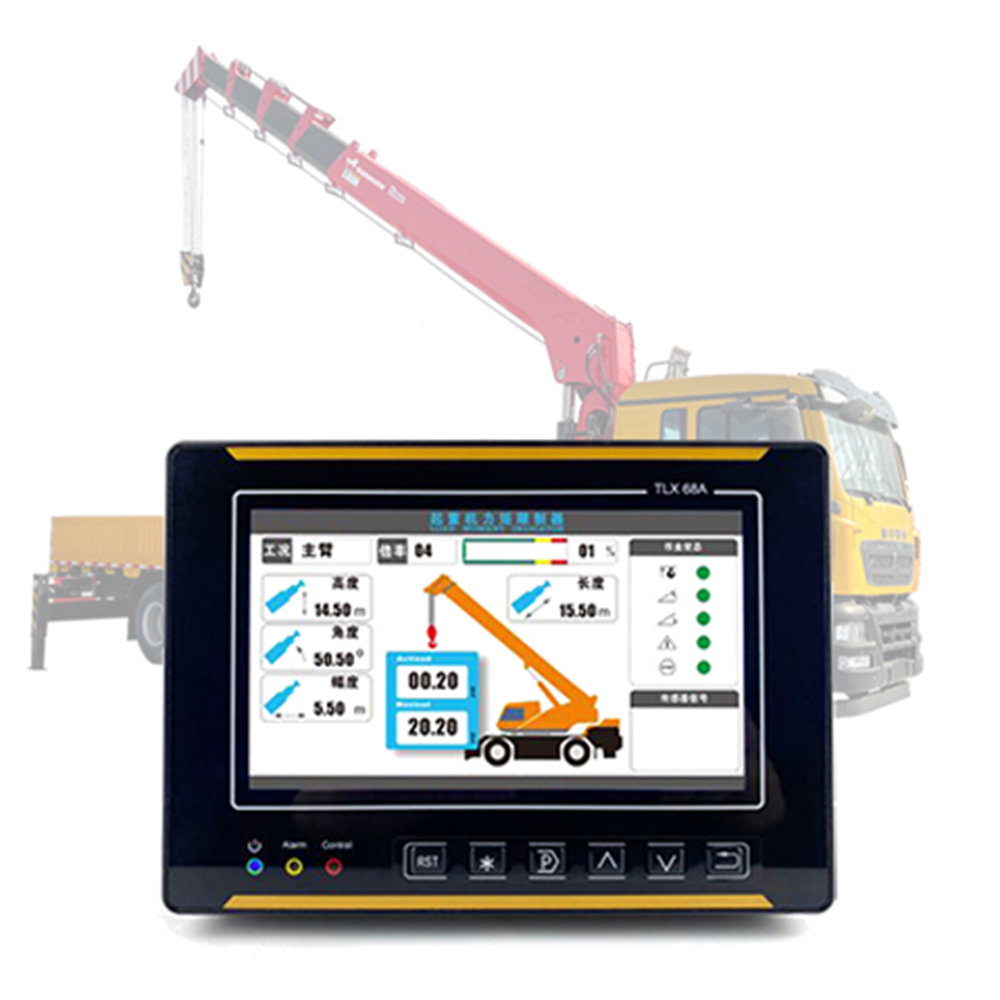
Mobile cranes (prEN 13000:2026). As the core harmonised standard for truck and crawler cranes exported to the EU, the revision covers structure, stability, control systems, hydraulics, electrics, safety devices, manuals and testing. Load moment indicators, multiple limit switches, overload protection and emergency stop are listed as mandatory safety hardware. The draft is currently in the enquiry stage; once published as a full EN it becomes a key basis for CE certification (Machinery Directive 2006/42/EC; gradually replaced by Regulation (EU) 2023/1230 from 2027-01-20).
2. Core change: four mandatory subsystems
| Subsystem | Key mandatory requirement | Maps to |
|---|---|---|
| Real-time moment monitoring | Continuous rated-load calculation at current radius; audible/visual alarm and cut-off of unsafe motion beyond threshold; typical accuracy ≤±3% | Load Moment Indicator (LMI / RCI) |
| Anti-collision warning | Spatial-interference warning for multi-crane / near-structure sites; data stored, traceable, remotely verifiable | Anti-collision system |
| Tilt monitoring | Chassis levelness & outrigger load balance; stop and re-level beyond allowed tilt | Tilt / outrigger sensor |
| Wind-speed interlock | Auto alarm and interlocked limit/stop at threshold; manual disable prohibited | Anemometer + interlock |
3. Direct impact on Chinese exporters
- Smart-config gap: machines relying only on traditional limit switches will fail the “mandatory intelligent monitoring” test and need retrofits (moment monitoring, anti-collision, tilt, wind).
- Documentation rebuild: wind-load verification, monitoring calibration reports and dismantling risk assessments must be added and made lifecycle-traceable.
- Local compliance: non-EU manufacturers must appoint an authorised representative for routine sampling and file checks.
4. How SeeZol responds
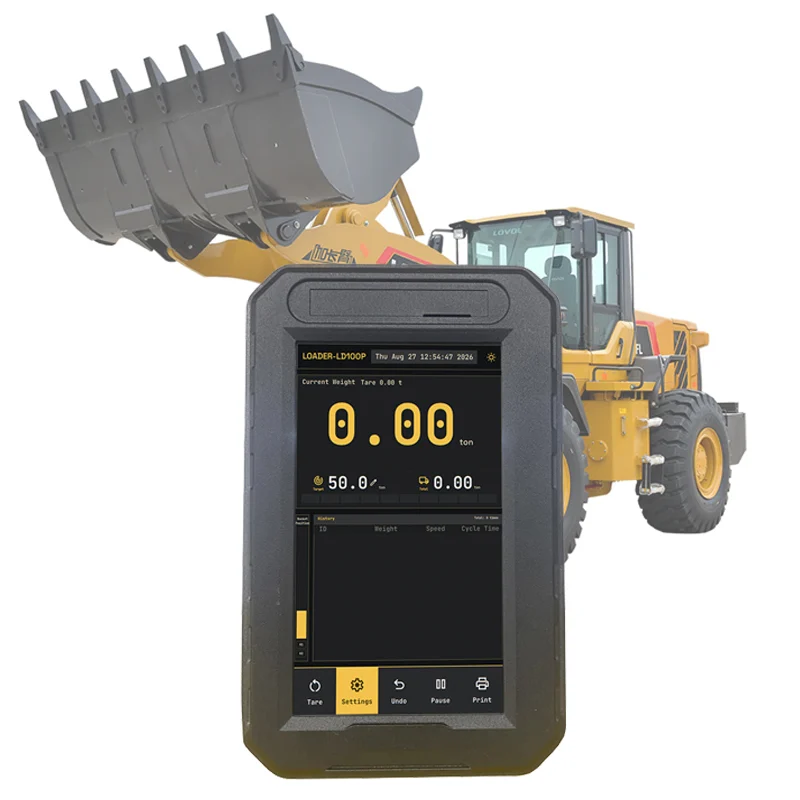
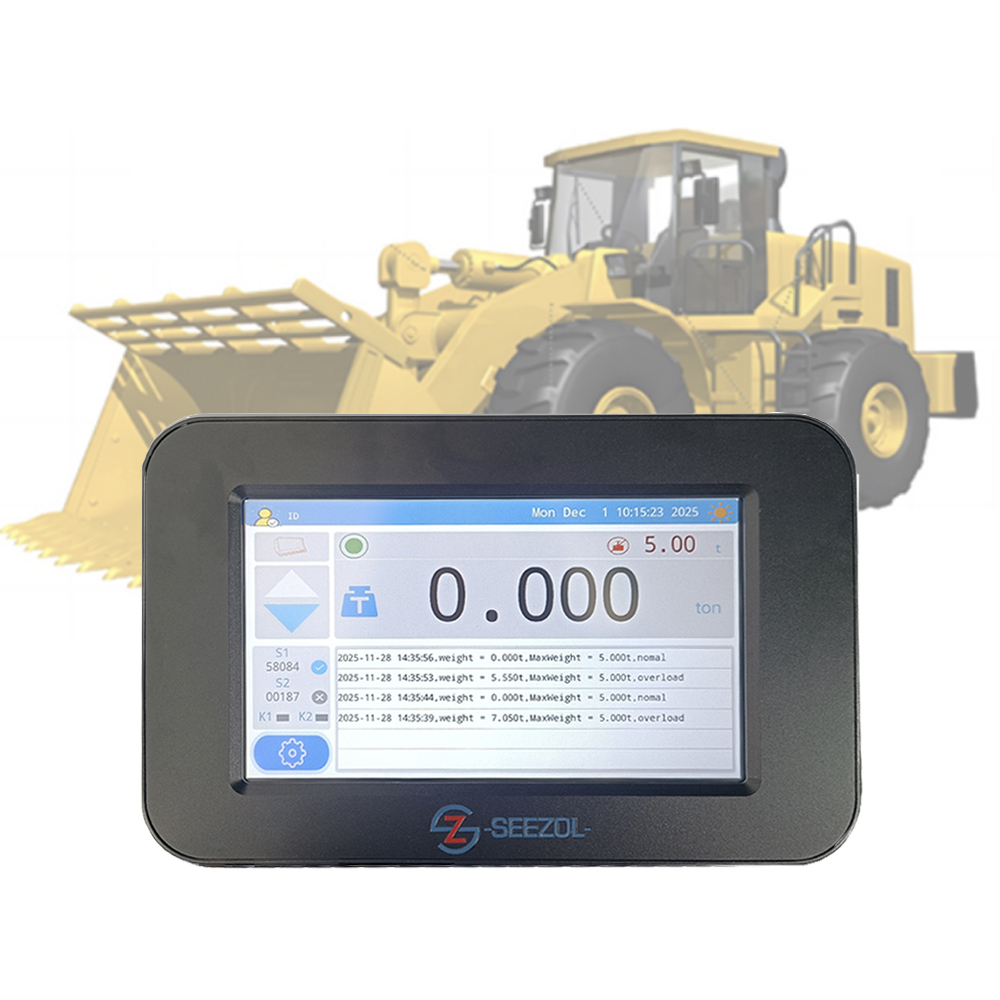
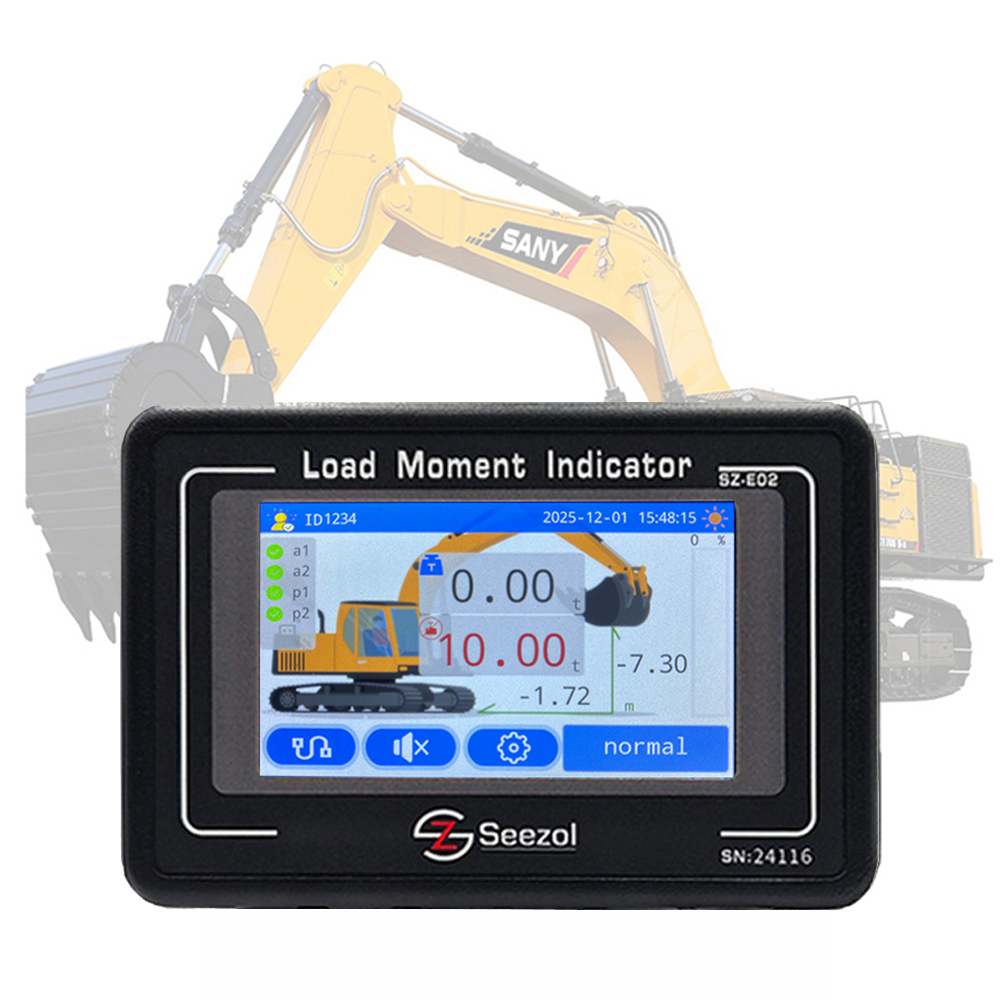
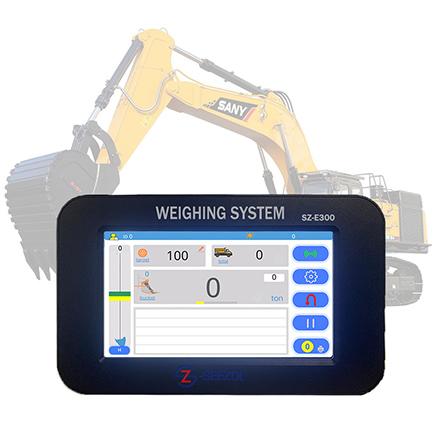
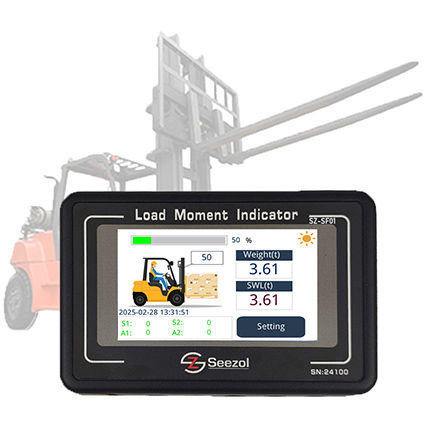
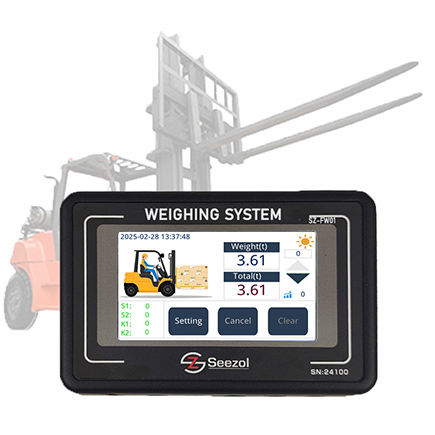
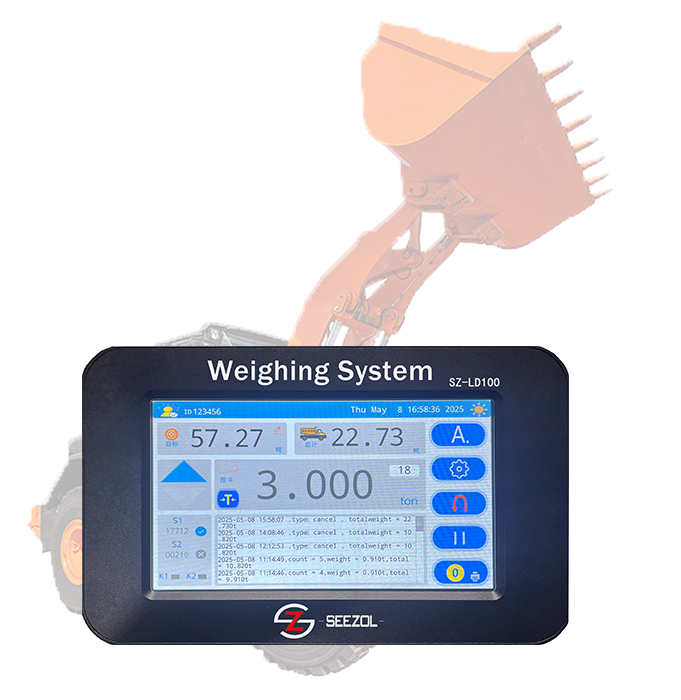
SeeZol (Yichang SeeZol Technology) has long supplied load moment and weighing systems for export machines. In a recent 50-tonne material-handler retrofit in Rushan, Shandong, the sensing chain used two hydraulic pressure sensors (supply/return) and three angle sensors (body/boom/arm); the same hardware serves both safety-grade load moment indication (LMI) and weighing/billing (Weighing System)—aligned with the new “monitoring is also metering, one hardware, two uses” direction. For tower- and mobile-crane customers we offer modular combinations of real-time moment monitoring, anti-collision, tilt and wind interlock, with calibration certificates, rated capacity charts and multilingual manuals that travel with the machine.
5. Recommendations for buyers & integrators
- Write the “four-subsystem intelligent monitoring” into specs at project kickoff to avoid late retrofits.
- Require suppliers to provide traceable calibration reports and a ≥10-year technical-file retention plan.
- For EU orders, confirm the authorised representative and the CE / EN 13000 / EN 14439 conformity path early.
Sources: EN 14439:2025/AC:2026 industry compliance overview; prEN 13000:2026 standard preview (standards.iteh.ai); EU Machinery Regulation (EU) 2023/1230 transition; Chengdu municipal crane-hazard bulletin (2026-09-21, domestic-enforcement side evidence).
Note: final clauses and effective dates of EN 14439:2025/AC:2026 and prEN 13000:2026 must follow the official text in the EU Official Journal (OJEU); prEN 13000:2026 is currently a draft and not yet a published EN standard.
Image credits (all from Wikimedia Commons, under their respective open licenses):
Cover / fig—Tower crane at a Taichung construction site © Taichung City Government News Bureau, licensed under GWOIA (Taichung City Government image license; free for commercial use with attribution): view source
Fig 1—Construction site, Nuremberg © Flocci Nivis, CC BY 4.0 (attribution required): view source
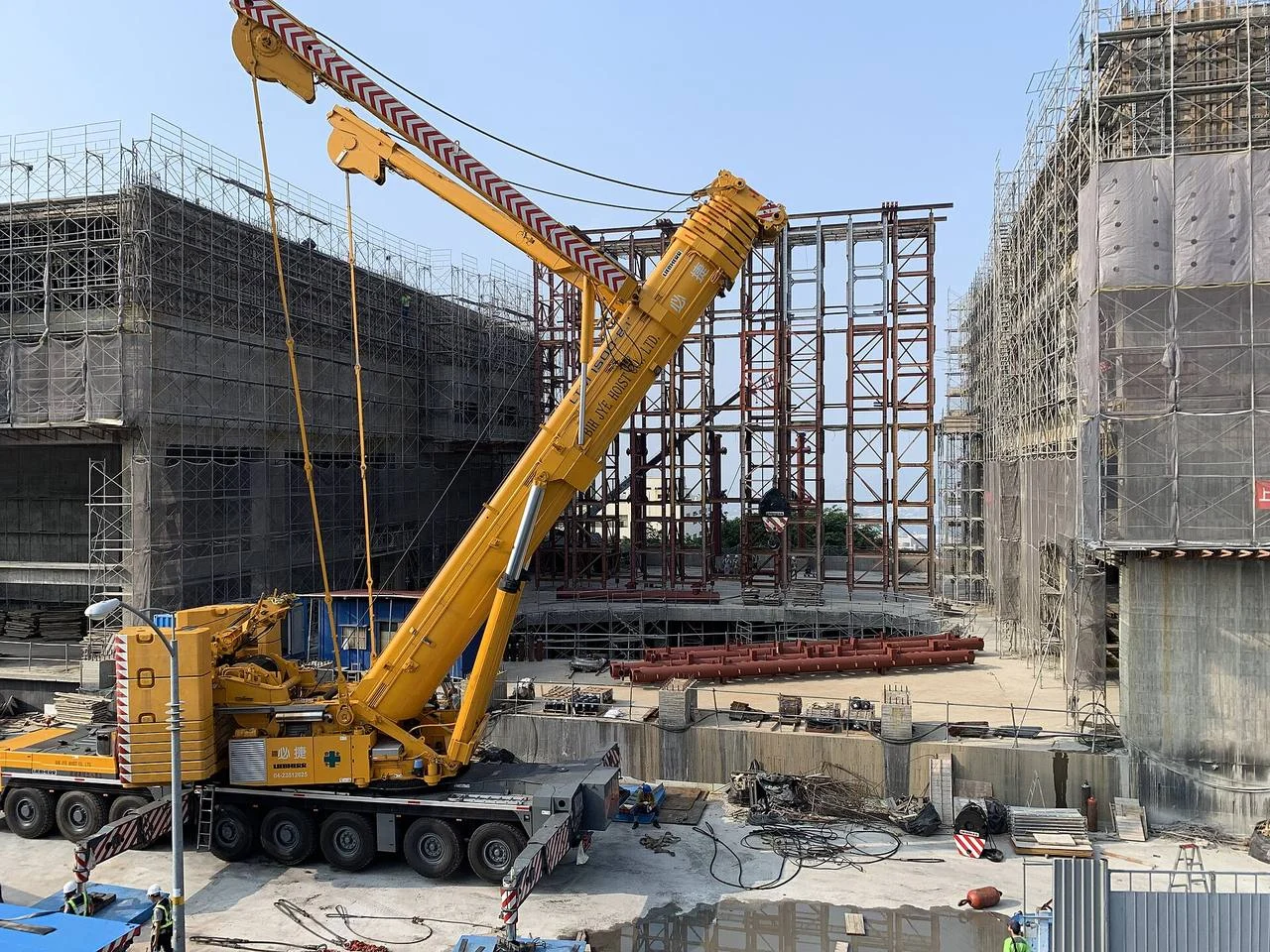
Fig 2—Liebherr LTM 1500-8.1 mobile crane © Tbatb, CC BY-SA 4.0 (attribution required; derivatives under same license): view source
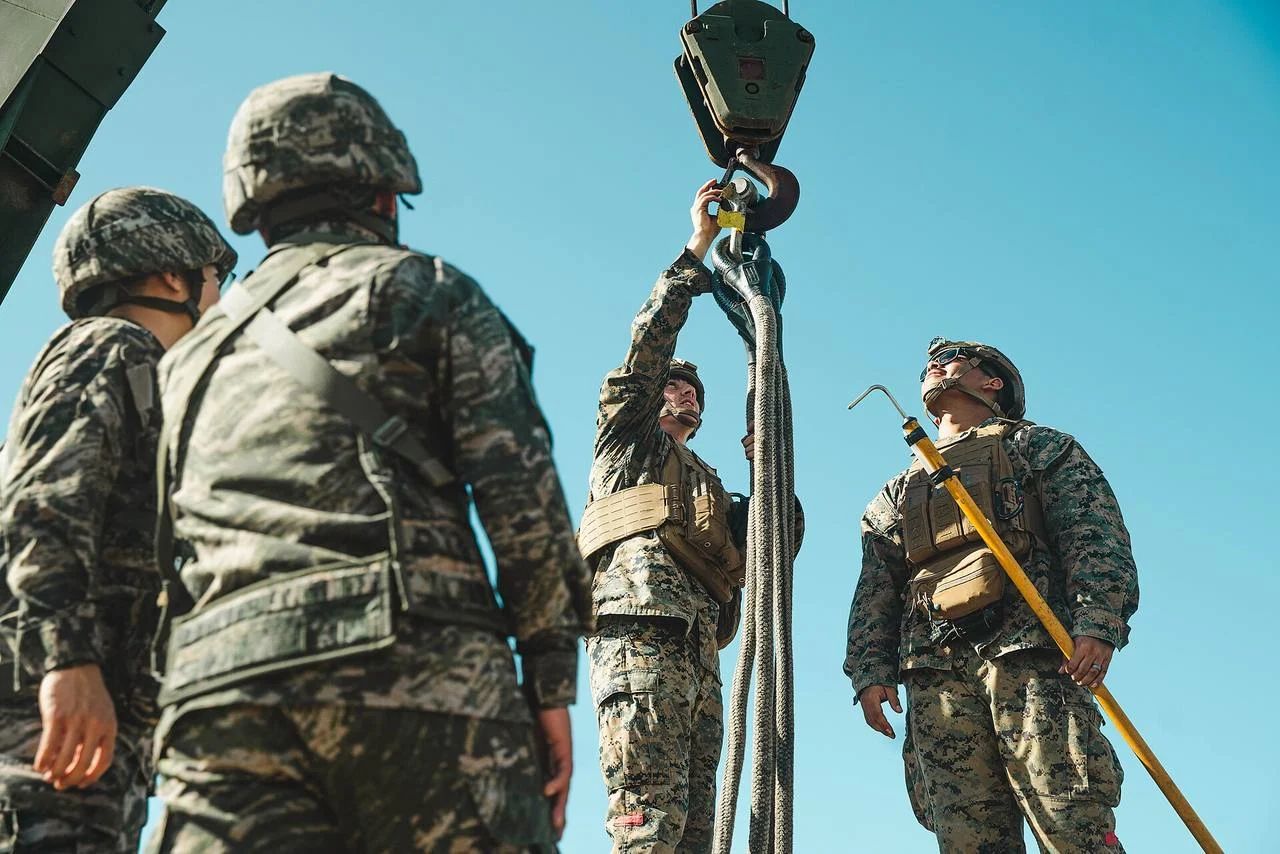
Fig 3—Heavy-lift training (U.S. Marine Corps) Public Domain (no attribution required): view source


.jpg)