
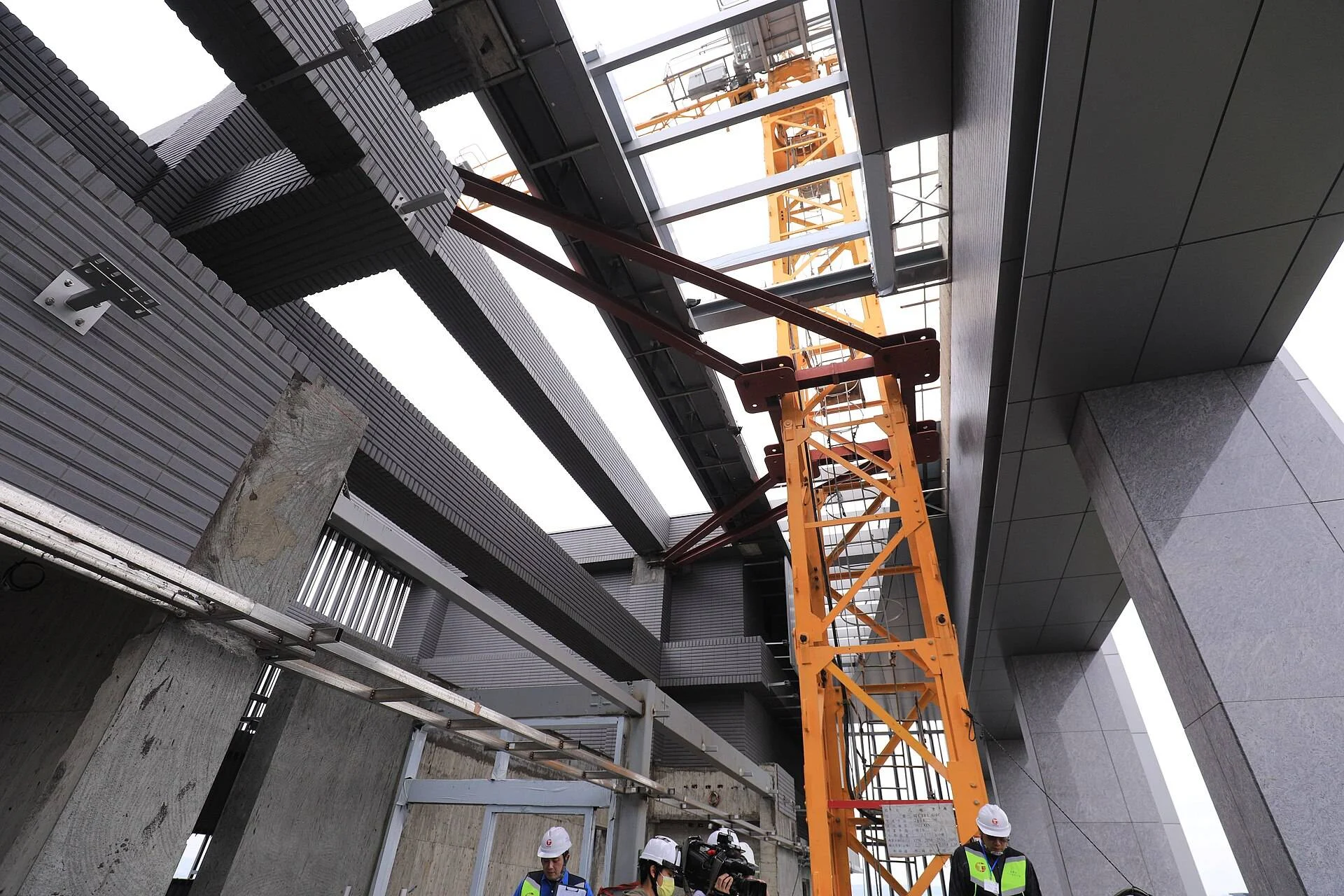
EU Crane Safety Compliance Tightens in 2026: Intelligent Monitoring Becomes Mandatory, Not Optional
In 2026, EN 14439:2025/AC:2026 and prEN 13000:2026 raise EU crane compliance thresholds—real-time load moment monitoring, anti-collision, tilt and wind-speed interlock become mandatory. What exporters need to know.
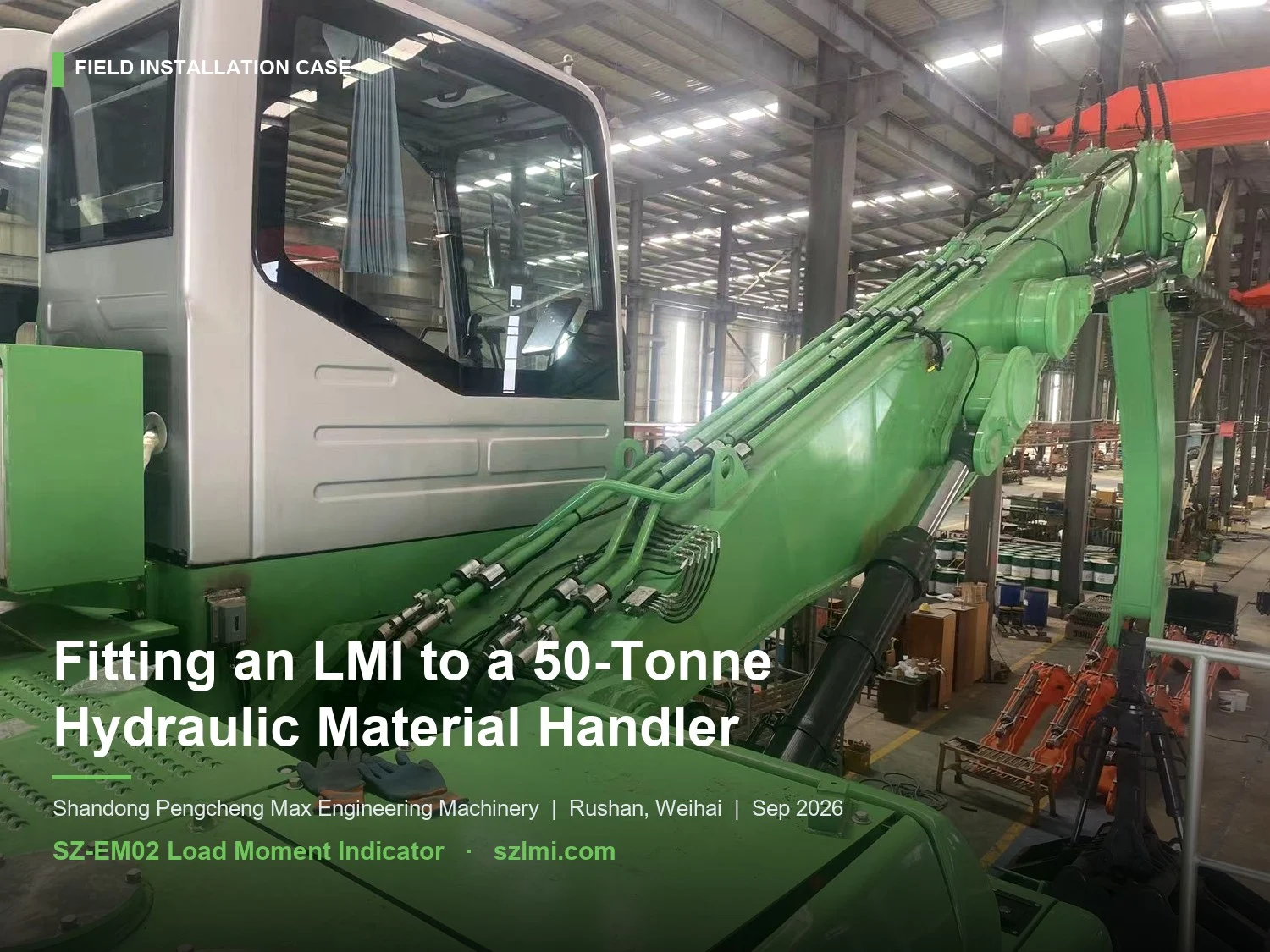
Material Handler Load Moment Indicator: A 50-Ton Rushan Field Report
Material handler load moment indicator fitted to a 50-ton grab machine in Rushan — five sensors, mounting positions, stepped calibration and field notes.
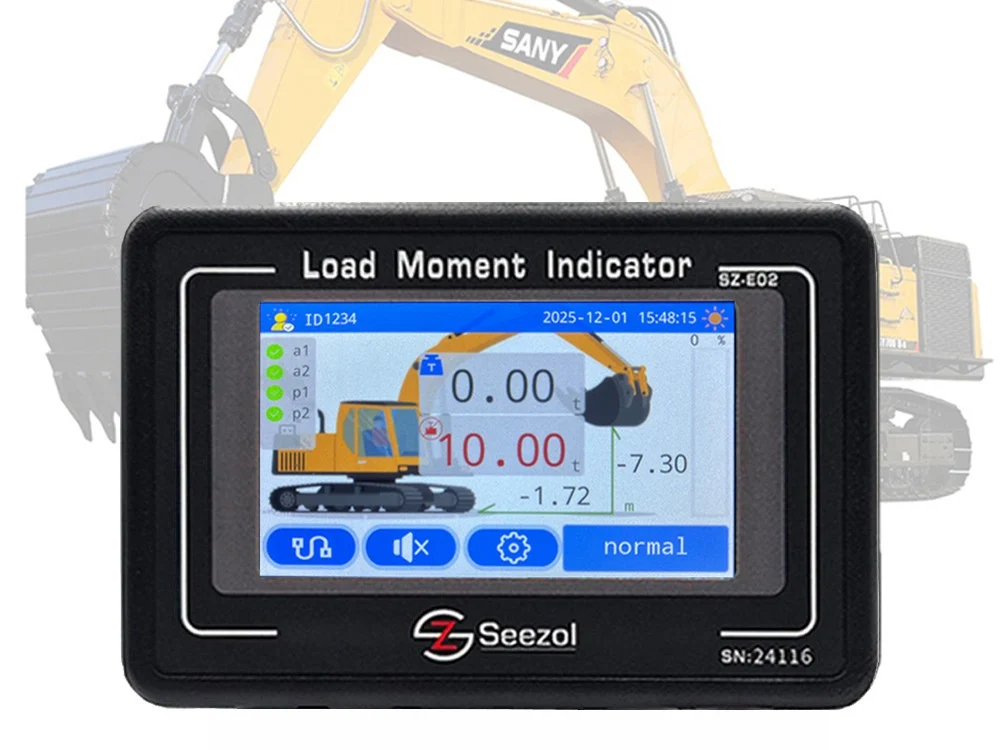
How to Choose a Load Moment Indicator for Your Machine
How to choose a load moment indicator in 5 steps: match your machine, verify the sensing chain, read the spec sheet, check compliance, plan calibration.
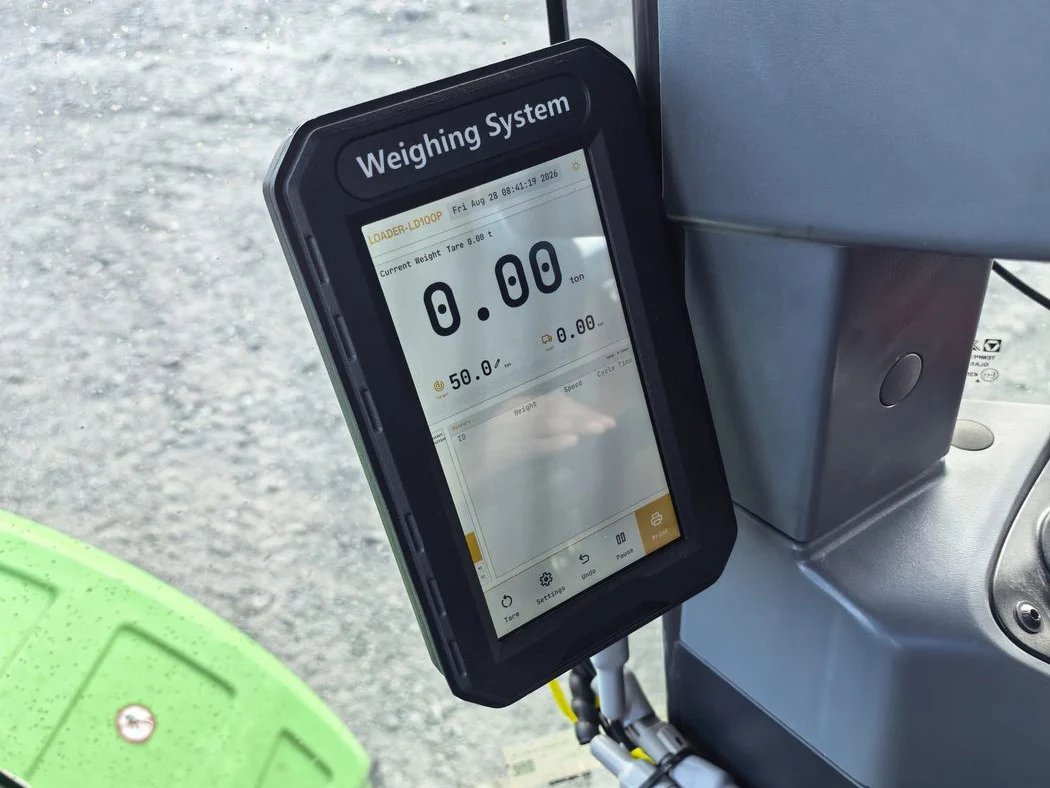
Mongolia Introduces SeeZol’s 3rd-Generation Loader On-Board Weighing System for the First Time
A quarry fleet in southern Mongolia has become the first overseas customer to take delivery of Yichang SeeZol Technology’s third-generation on-board loader weighing system. The handover, completed on 8 August 2026, marks the moment the product’s migration from a legacy single-chip platform to a Linux-based architecture finally touches a real wheel loader bucket — and, more importantly, a real haul-truck scale ticket.
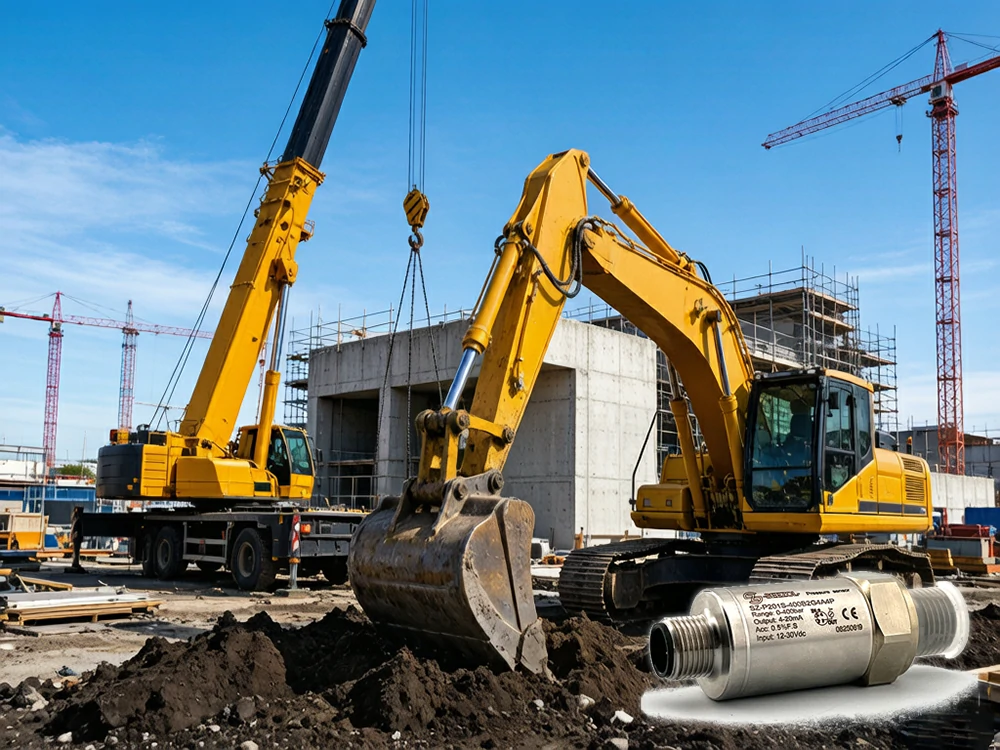
SeeZol Oil Pressure Sensor Installation Guide for Load Moment Indicators & Onboard Weighing Systems
The Load Moment Indicator (LMI, also called a moment limiter) and the Onboard Weighing System are critical devices that keep excavators, loaders, truck cranes and other hydraulic engineering machines operating safely and efficiently. seezol Technology’s measurement principle is to install oil pressure sensors on the hydraulic circuit to capture cylinder working pressure in real time, then convert it — through a calibrated algorithm — into the current load mass and resultant moment, enabling overload warning and limiting.
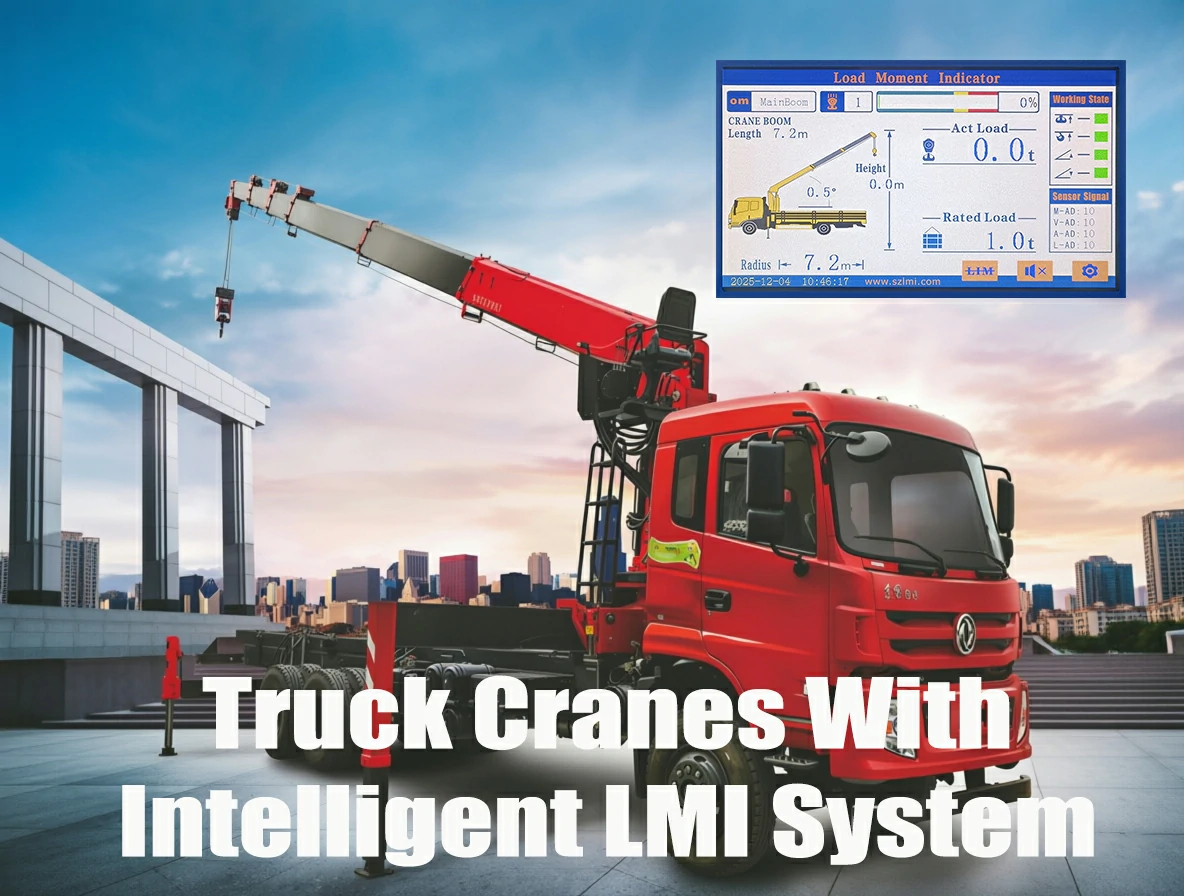
Why a Load Moment Indicator (LMI) Is the Smartest Upgrade for Your Truck Crane
The SZ-TC01 is a Load Moment Indicator (LMI) built by Yichang Seezol for truck-mounted cranes. Its 7-inch color display shows live load, working radius and boom angle, and it automatically cuts off dangerous motions the moment overload is detected. Compliant with ISO 10245, GB/T 12602 and EN 13000, the system installs in hours, needs minimal upkeep and draws under 10 W — a high-ROI upgrade for safer, compliant lifting.
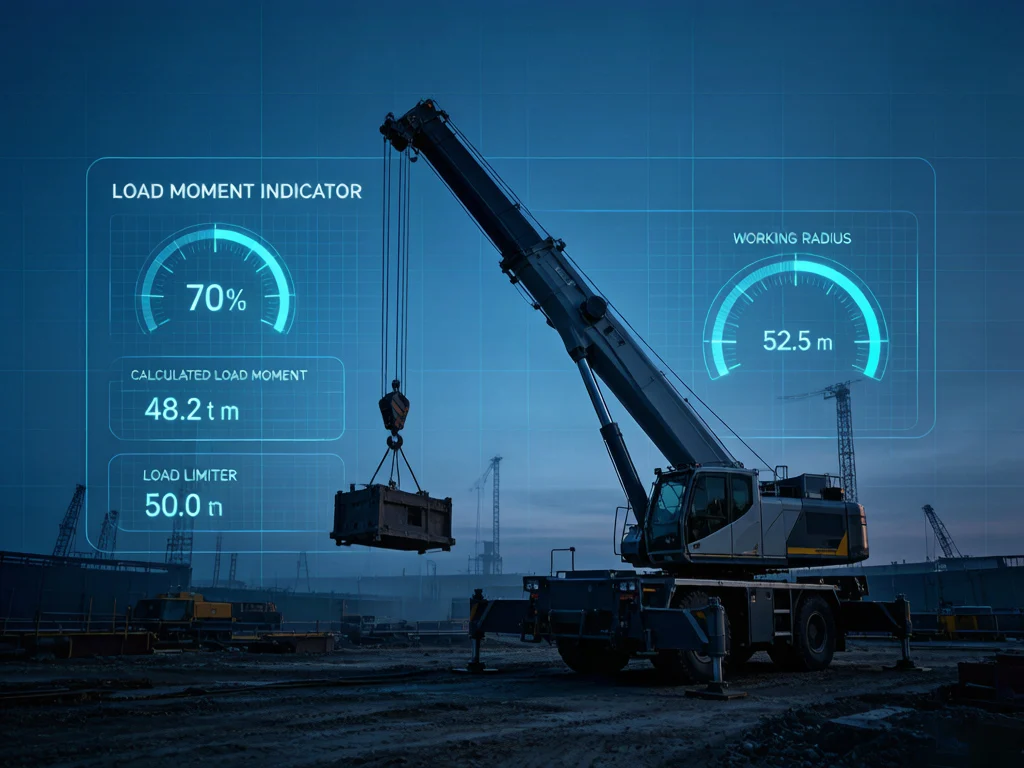
Load Moment Indicators vs Load Limiters:
With the increasing complexity of modern engineering construction, the safe operation of large-scale mechanical equipment such as cranes has become a core element in ensuring project progress. As two critical safety protection devices for crane machinery, the technological evolution and application logic of Load Moment Indicators (LMI) and Load Limiters directly impact operational safety. This paper reviews the basic principles of Load Moment Indicators and Load Limiters, provides an in-depth analysis of the technical differences between mechanical and electronic devices, clarifies the essential distinctions in their concepts, functions, and control logic, and explores their coupling relationships under specific working conditions and their current application status in fields such as construction and ports. Research indicates that accurately understanding and synergistically applying these two limiting technologies is of great significance for enhancing the intrinsic safety level of equipment.
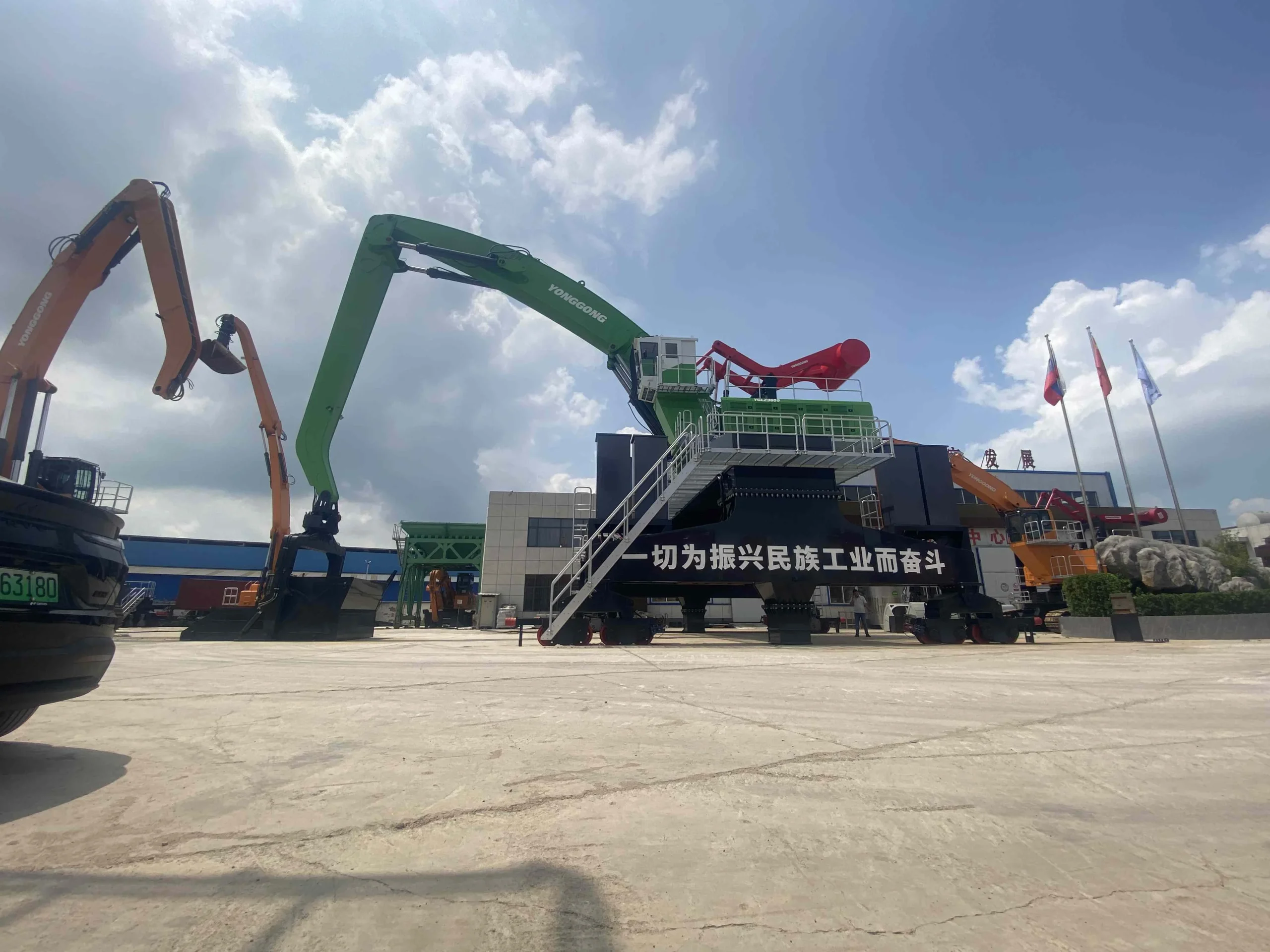
Mastering Heavy Machinery, Securing Safety: SeeZol Technology Empowers Huanghai Machinery’s 300-Ton Port Transfer hydraulic material handler with Advanced Safety Upgrades
SeeZol Technology has successfully partnered with Henan Huanghai Heavy Equipment Manufacturing Co., Ltd. to execute a critical safety upgrade on a 300-ton port transfer grab. Overcoming significant installation challenges posed by the equipment’s massive scale and 10-meter high pivot point, SeeZol’s team deployed a precision Load Moment Indicator (LMI) system. Rigorous testing with loads ranging from 5 to 20 tons confirmed the system’s ability to provide millisecond-level warnings and real-time monitoring across all operating positions. This project not only validates SeeZol’s technical expertise in extreme heavy machinery scenarios but also establishes a strategic foundation for future collaboration in digital and intelligent port safety solutions.
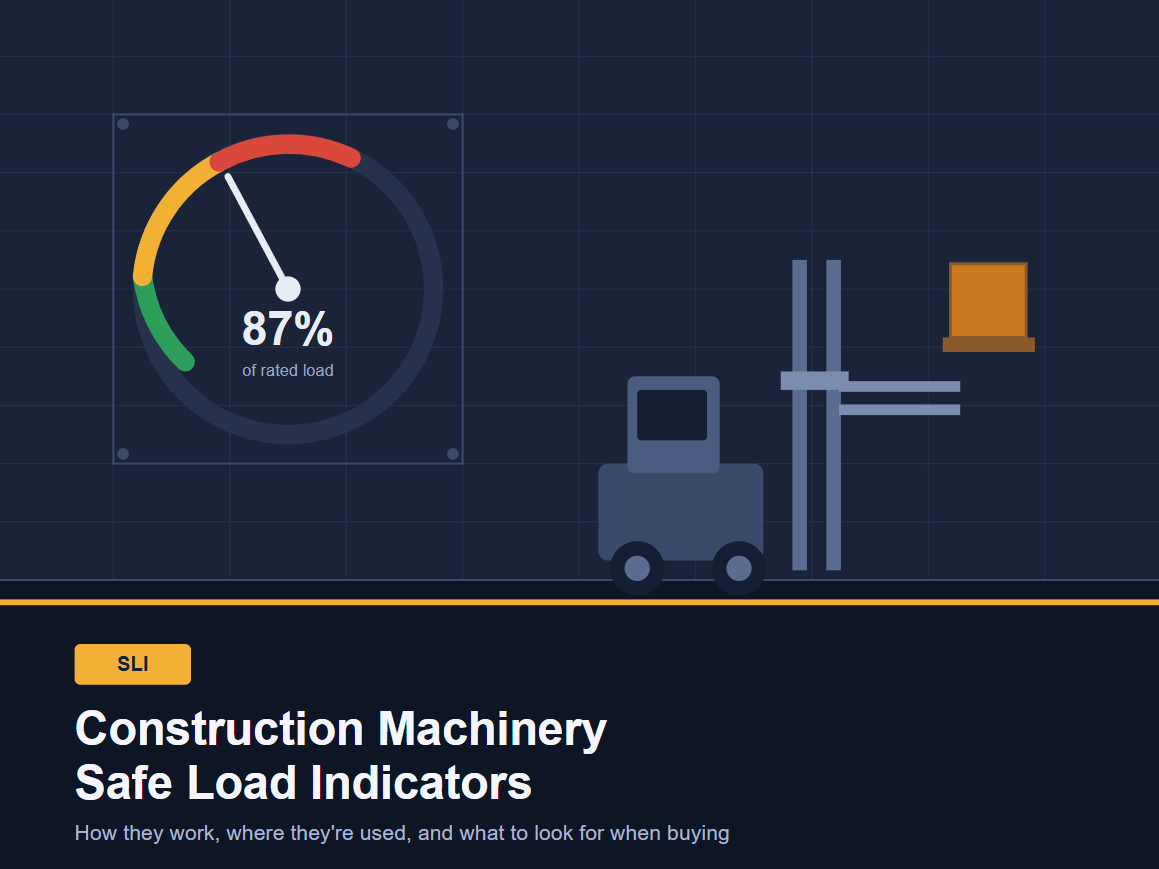
Construction Machinery Safe Load Indicators (SLI): How They Work, Where They’re Used, and What to Look for When Buying
A practical guide to Safe Load Indicators (SLI) for construction machinery — covering how the sensor, control unit, display, and alarm components work together, why SLI and LMI (Load Moment Indicator) aren’t interchangeable, and where SLI actually gets used across warehousing, mining, construction, and port operations. Includes a buying checklist covering measurement accuracy, ingress protection, response time, and alarm logic, referenced against real OSHA and ANSI standards rather than vendor marketing claims. Field notes cover the most common failure pattern — silent sensor drift — plus a lesser-known “load center” blind spot rooted in basic tipping-moment physics. Ends with a buying-mistakes checklist and FAQ for anyone specifying SLI equipment for a mixed fleet.
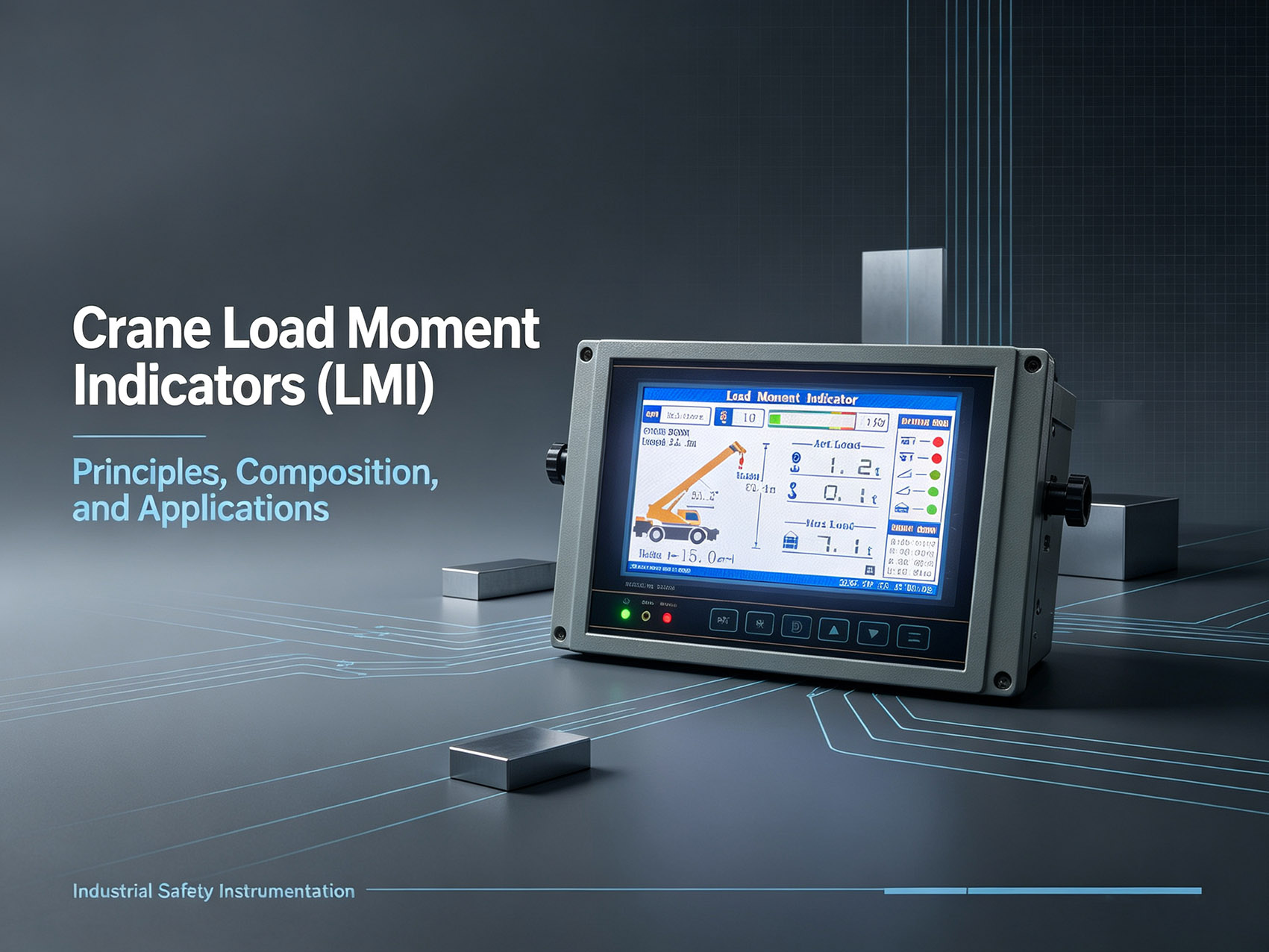
A Deep Dive into Crane Load Moment Indicators (LMI): Principles, Composition, and Applications
This article delves into Crane Load Moment Indicators (LMI). It’s a closed – loop safety system crucial for crane safety. The piece details LMI’s core components, working principle (including a worked example), and system classification. It also honestly assesses its value in preventing structural failure and supporting compliance, along with limitations like inability to detect bad rigging. Maintenance essentials, future trends, and FAQs are covered, providing a comprehensive understanding of LMI.
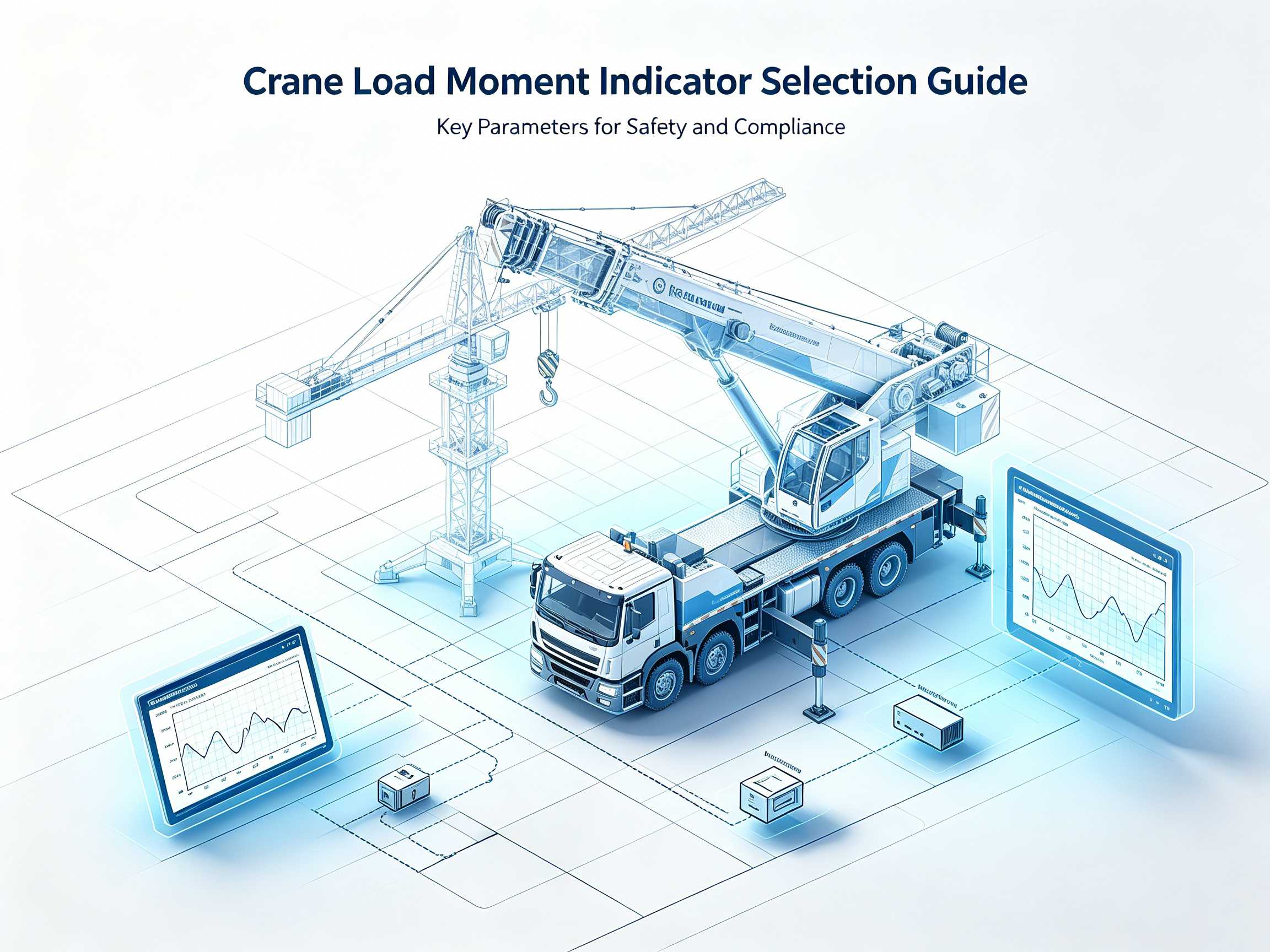
Crane Load Moment Indicator (LMI) Selection Guide: Key Parameters, Standards & Buying Tips
Official 2026 crane LMI guide covering OSHA 29 CFR 1926, ASME B30.5, EN 13001 & GB/T 12602. Check accuracy tolerance, ≤200ms response time and IP65 requirements for jobsite safety compliance.
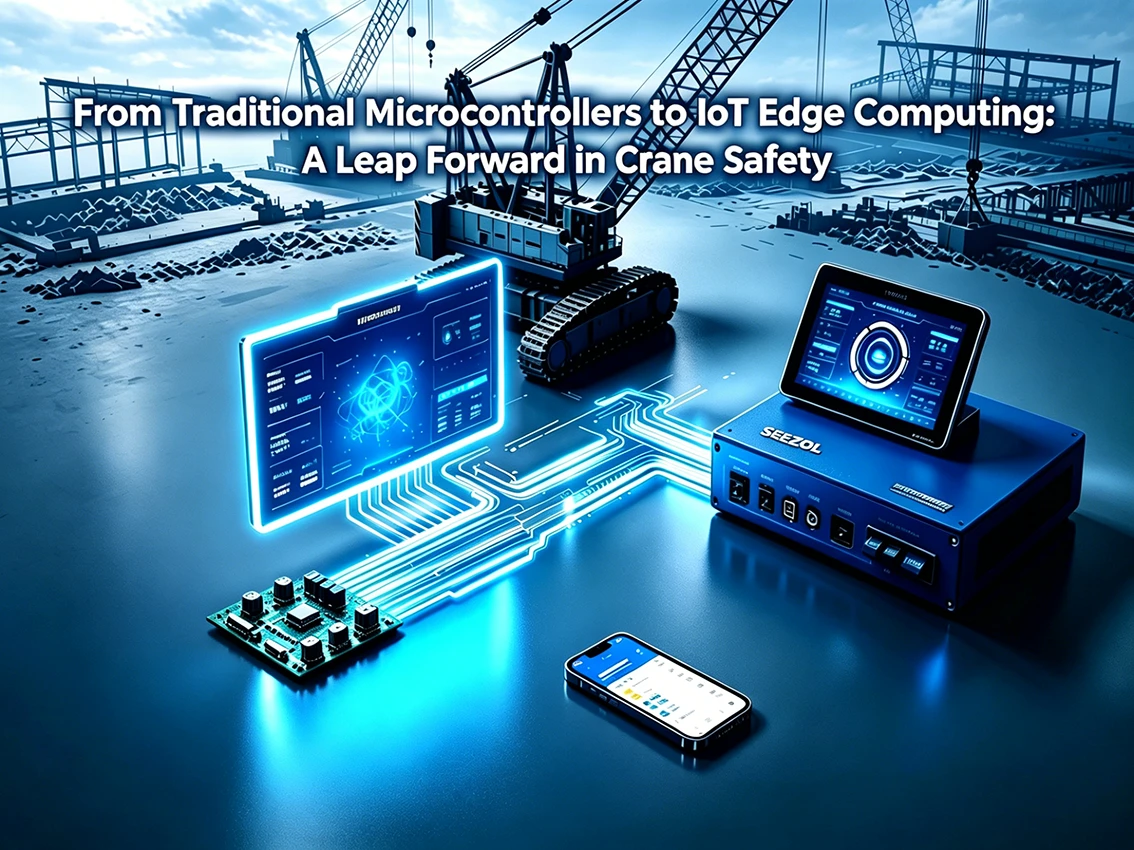
Load Moment Indicator: Industry Transformation from Traditional Single-Chip Microcomputer to IoT Edge Computing
Learn about the technical iteration of load moment indicator (LMI): from traditional single-chip microcomputer to CAN bus IoT edge computing system. Realize active crane risk warning & smart management for smart construction sites.