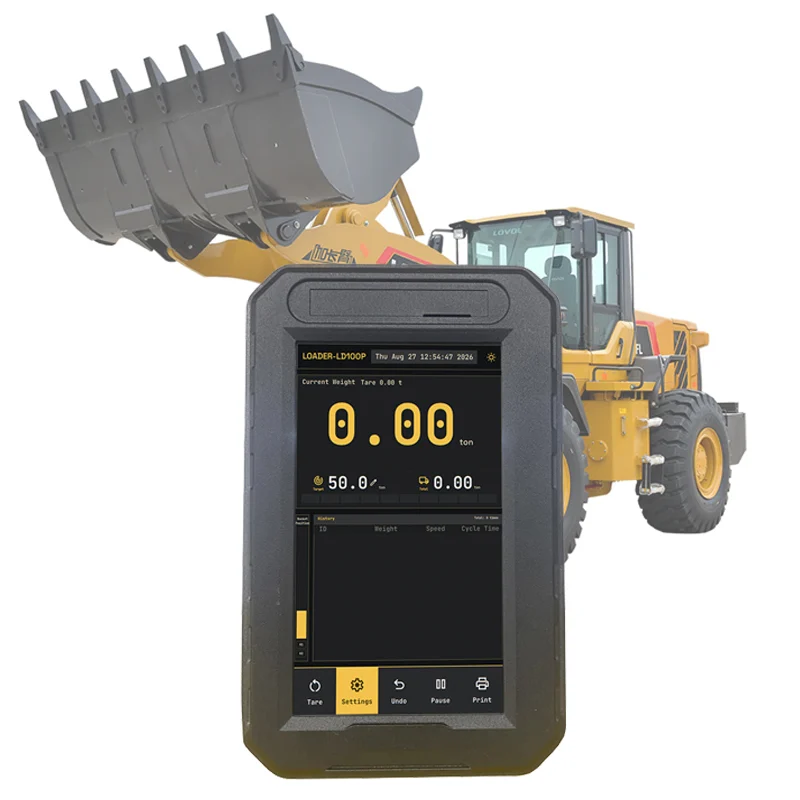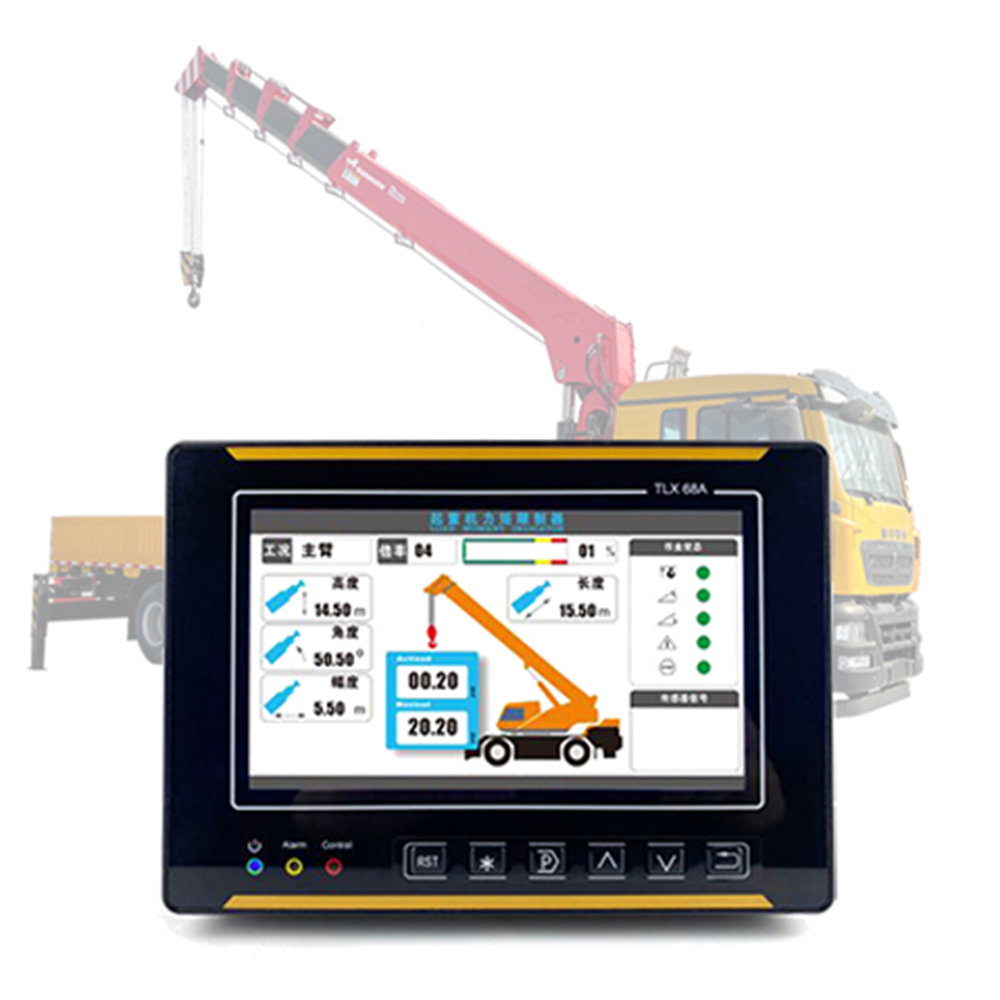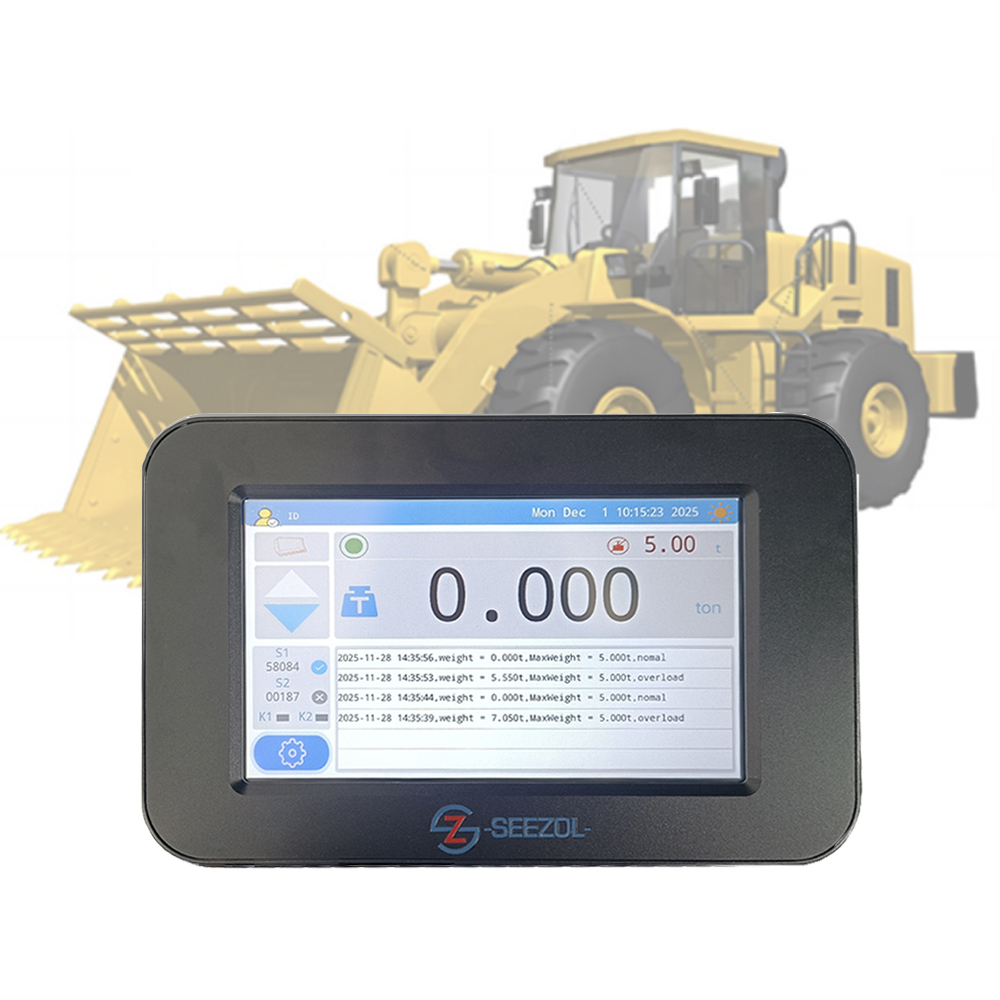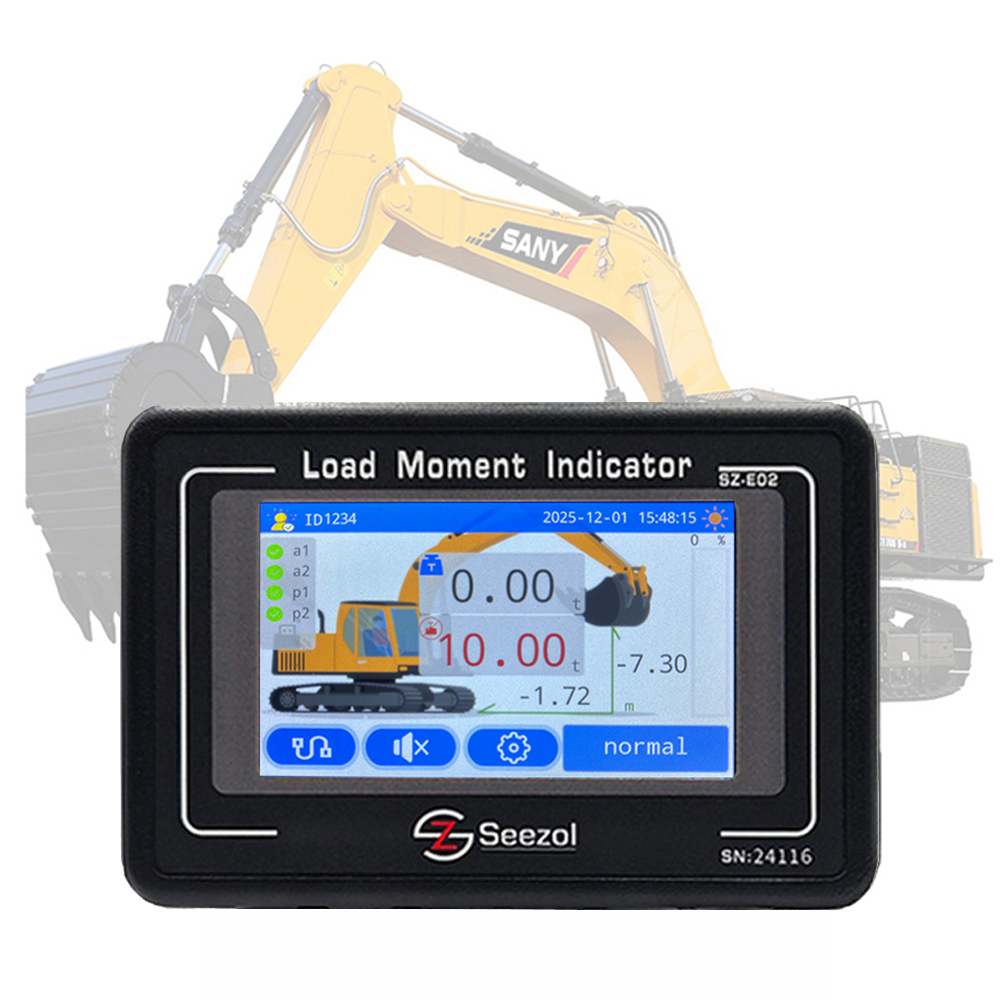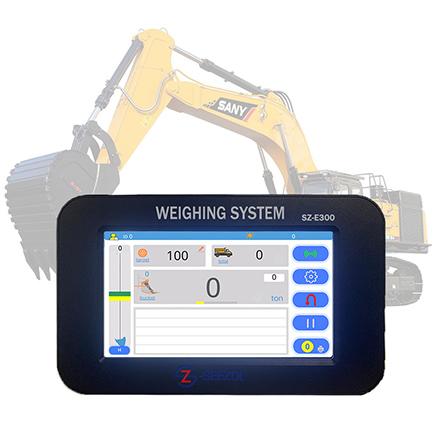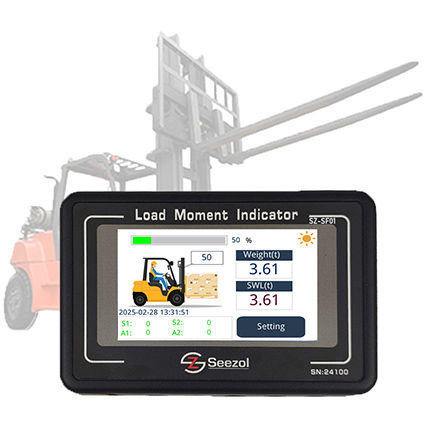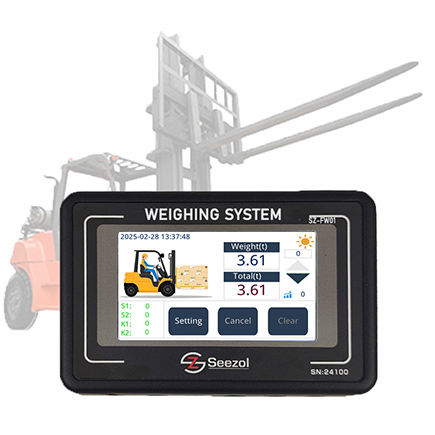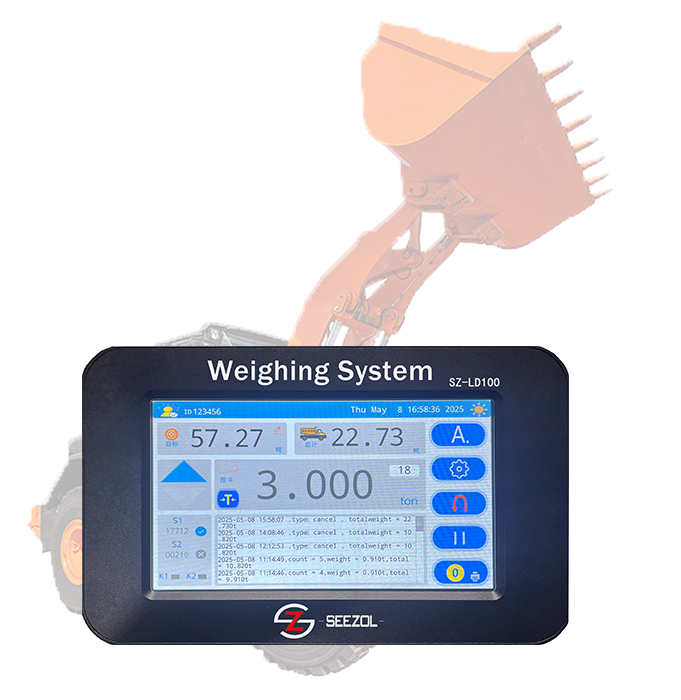
To standardize the wiring and external expansion operations of our crane load moment indicators(Hereinafter referred to as LMIs), clarify the functional definitions and external compatibility of the equipment interfaces, and ensure accurate data acquisition, stable operation, and flexible expansion, the detailed usage specifications for the external interfaces of the SEEZOL series LMIs are as follows:
Equipment Port Definitions
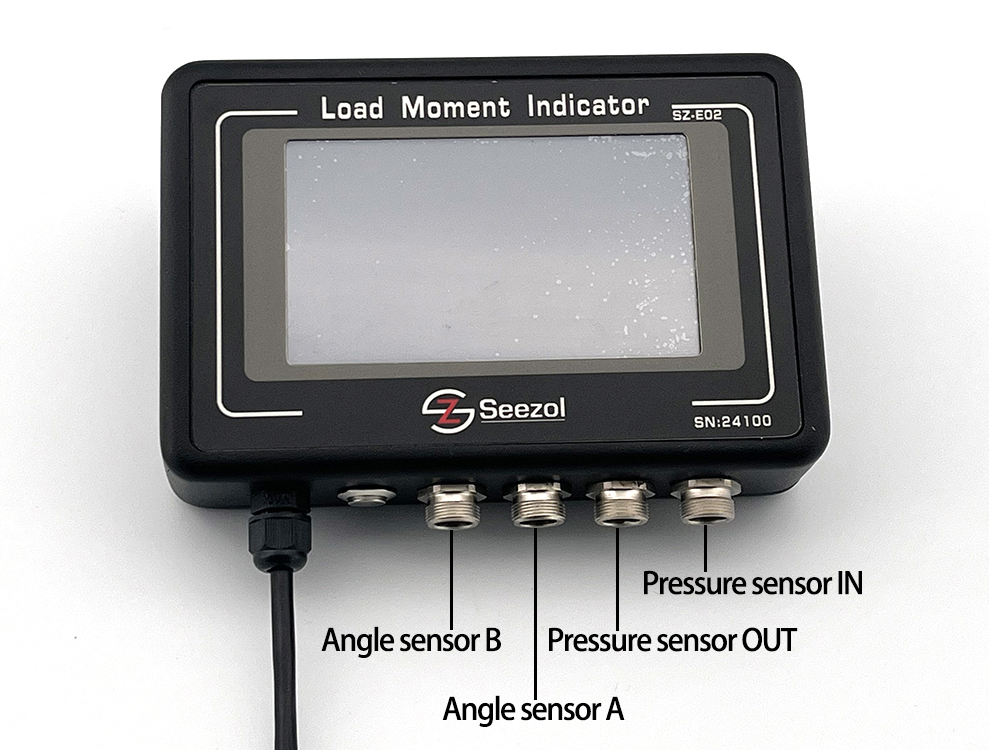
Our LMIs are equipped with multiple high-precision signal acquisition ports and control output ports, fully meeting the data acquisition and safety control output requirements of crane operation. The standard configuration includes two sets of weight sensor signal ports and two sets of angle sensor signal ports, enabling real-time acquisition of core data such as crane load weight and operating luffing angle, providing accurate data support for load moment calculation and safety limit monitoring.
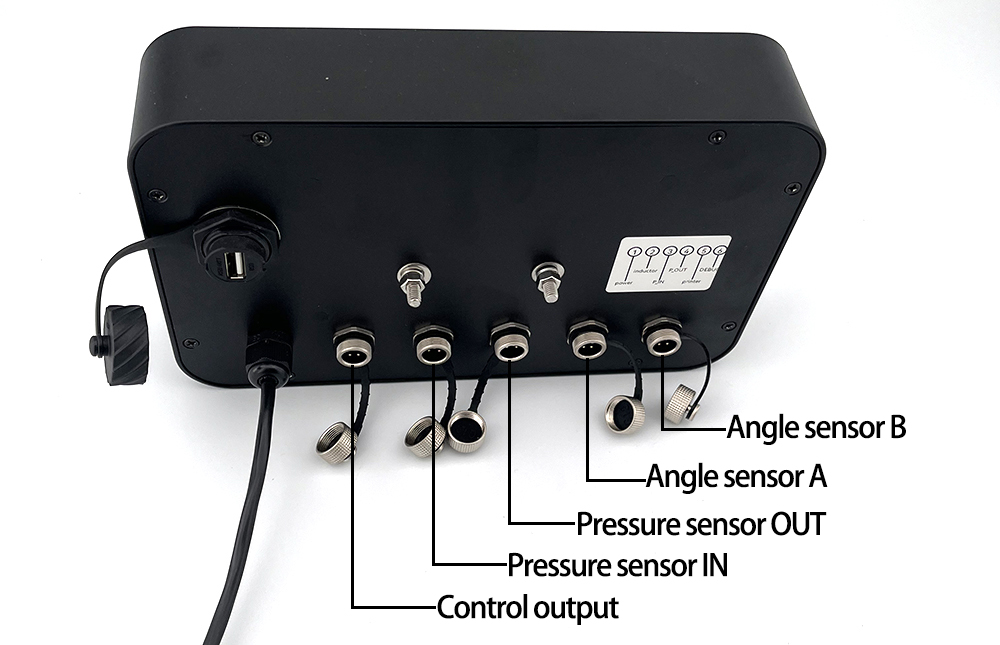
Some high-end models can be expanded with length sensor signal ports for accurate monitoring of the crane’s boom length parameters. The equipment also reserves output ports for control signals and alarm light, enabling linkage functions such as equipment limit control and fault audible and visual alarms.
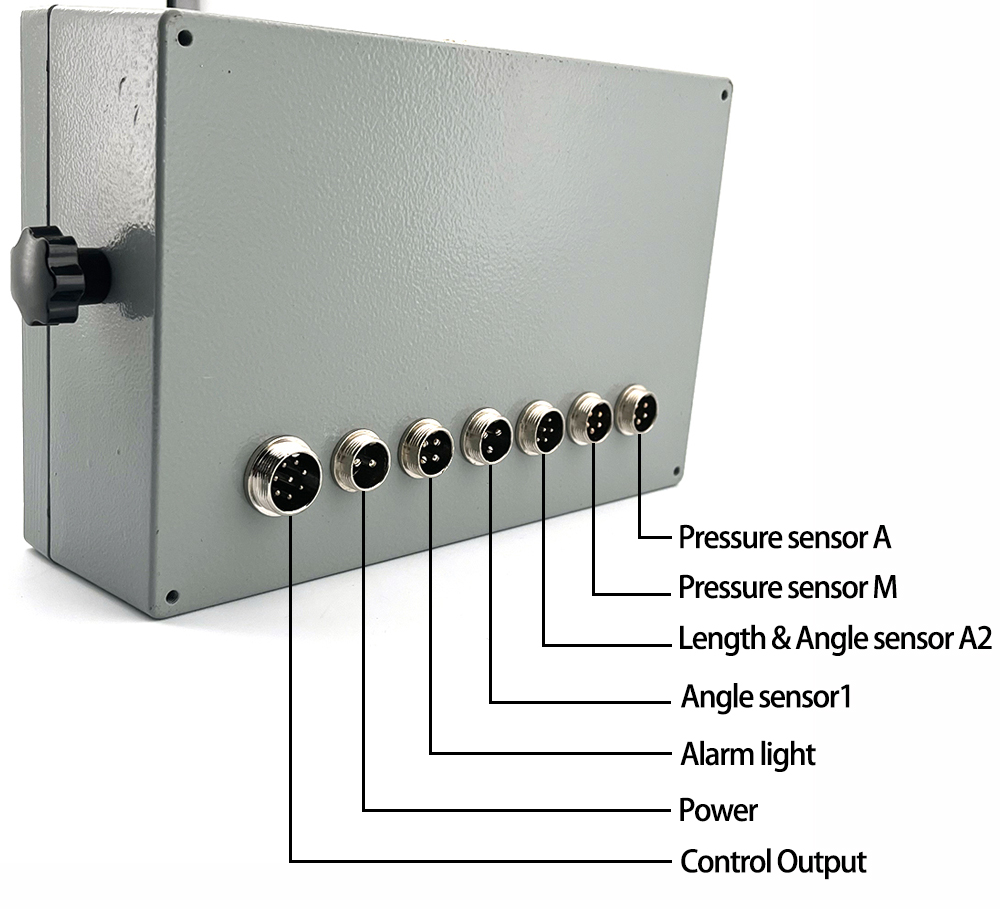
To adapt to different machine models, customer wiring habits, and on-site installation requirements, all signal ports of the equipment support custom adjustments. The port order and function correspondence can be arbitrarily changed according to customer requirements without modifying the core program, demonstrating extremely strong adaptability and versatility.
External Device Adaptation Instructions.
This series of LMIs uniformly adopts the industrial standard RS485 communication signal output, possessing advantages such as strong anti-interference capability, stable transmission, and wide adaptability, making it suitable for complex industrial working conditions on construction sites. Relying on the standardized RS485 communication interface, the equipment can flexibly connect to various external wireless communication expansion modules to achieve intelligent data transmission.
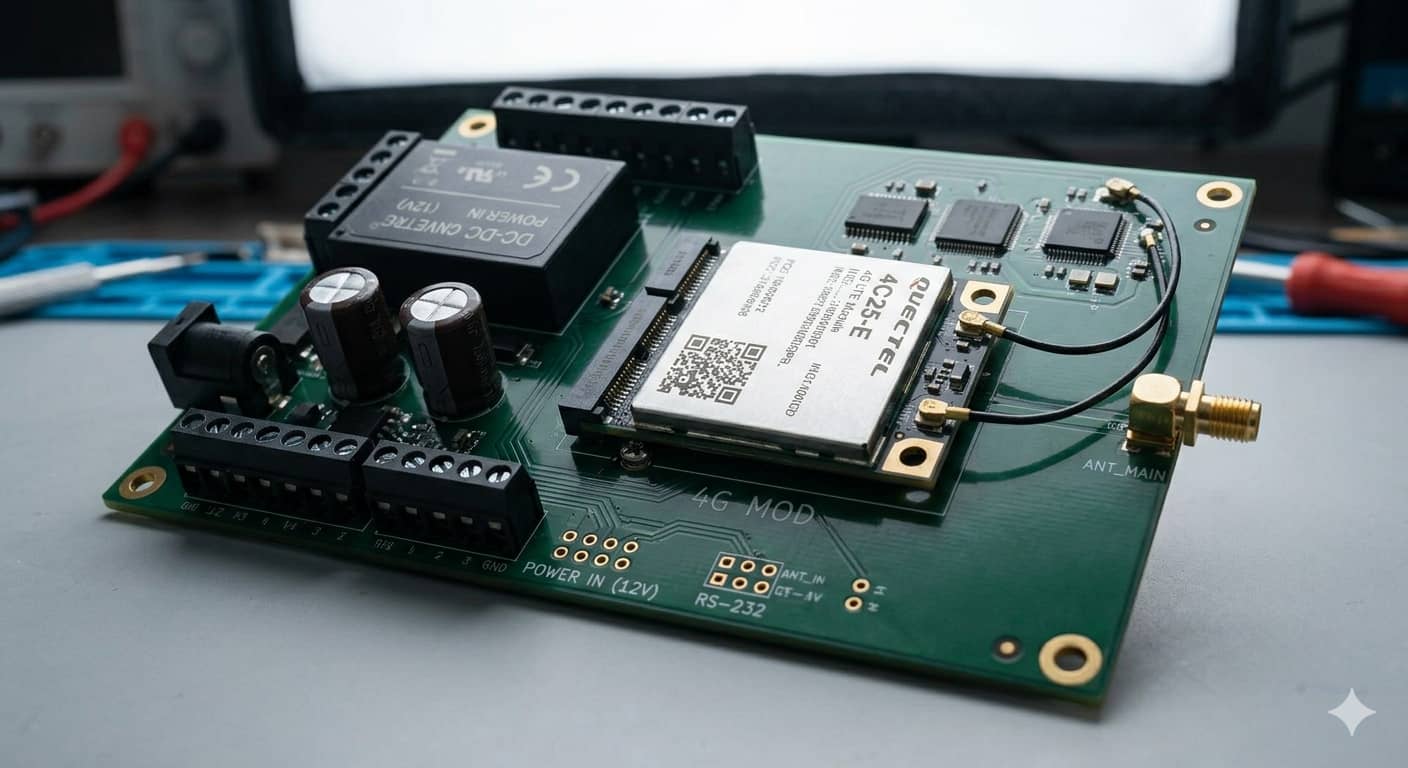
It can connect to an external 4G communication module to upload equipment weight, angle, boom length, load moment, and fault alarm data to the cloud in real time via the operator’s network, supporting remote monitoring, data logging, and equipment operation and maintenance management.
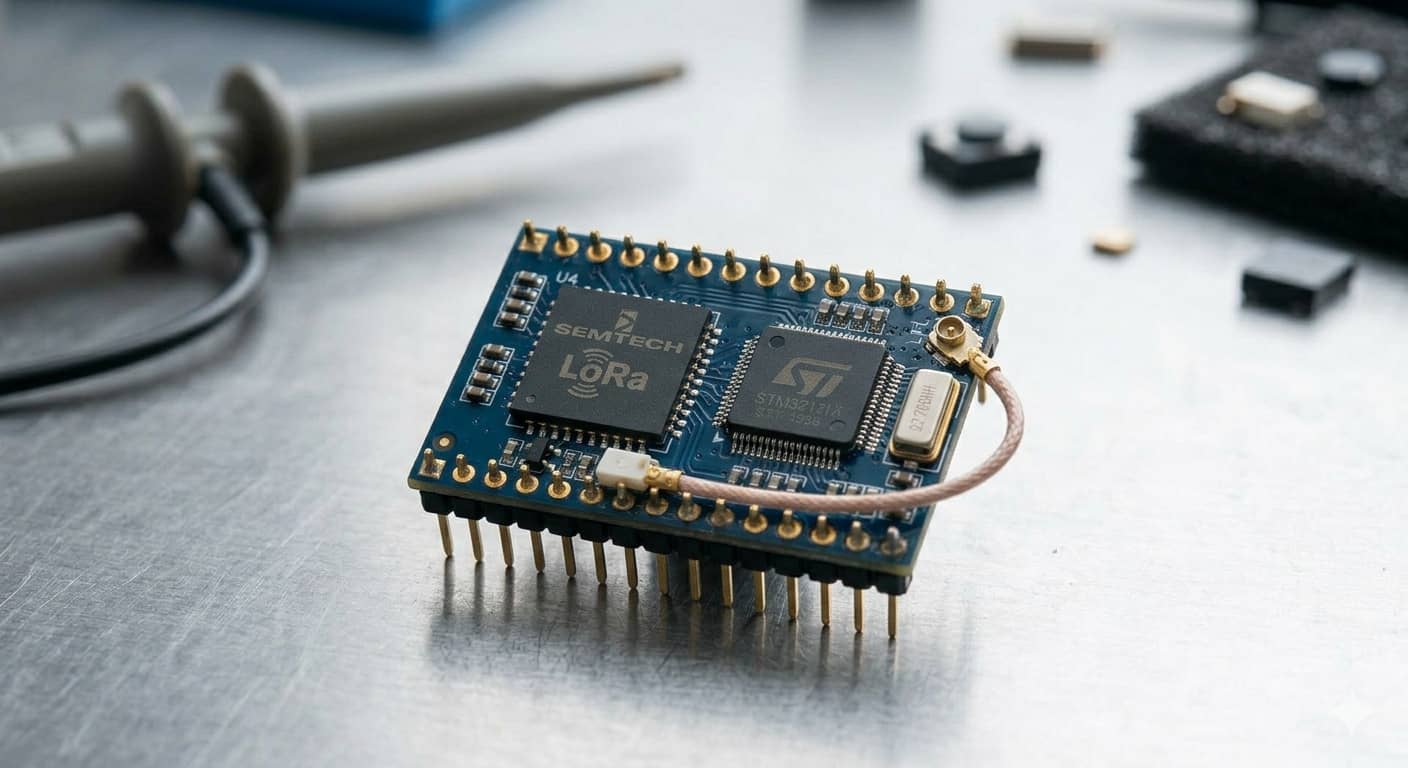
Simultaneously, it can connect to an external LoRa wireless communication module. Leveraging its low power consumption, long distance, and strong penetration characteristics, it enables local wireless data network transmission on the construction site, eliminating the cumbersome process of wired wiring, making installation convenient and operation stable, suitable for various intelligent upgrade and transformation scenarios of cranes.