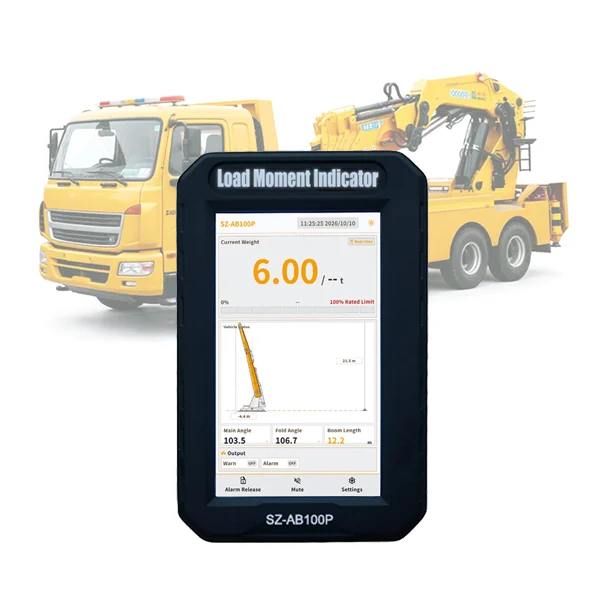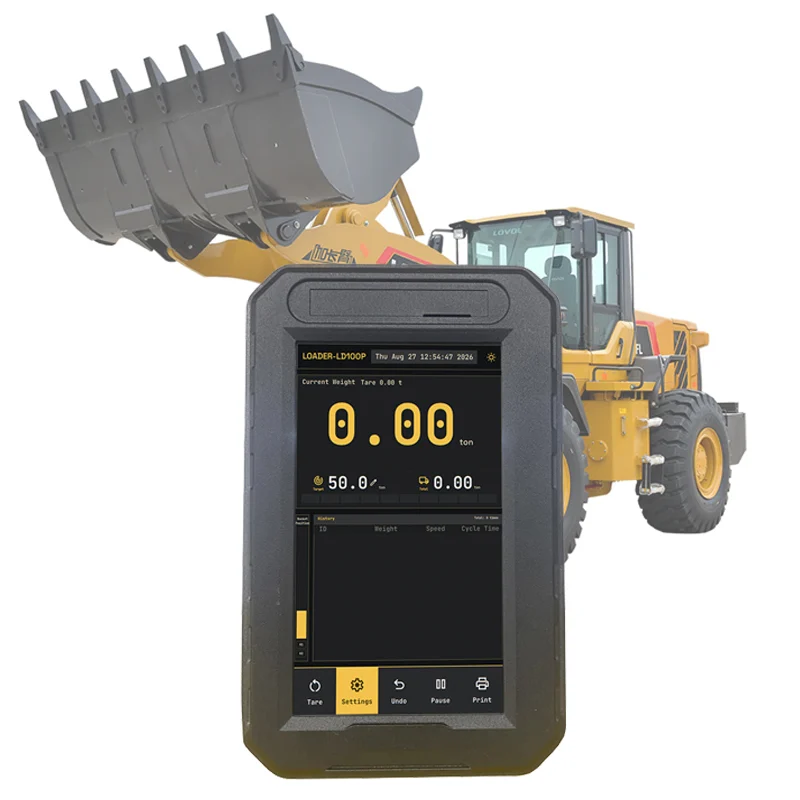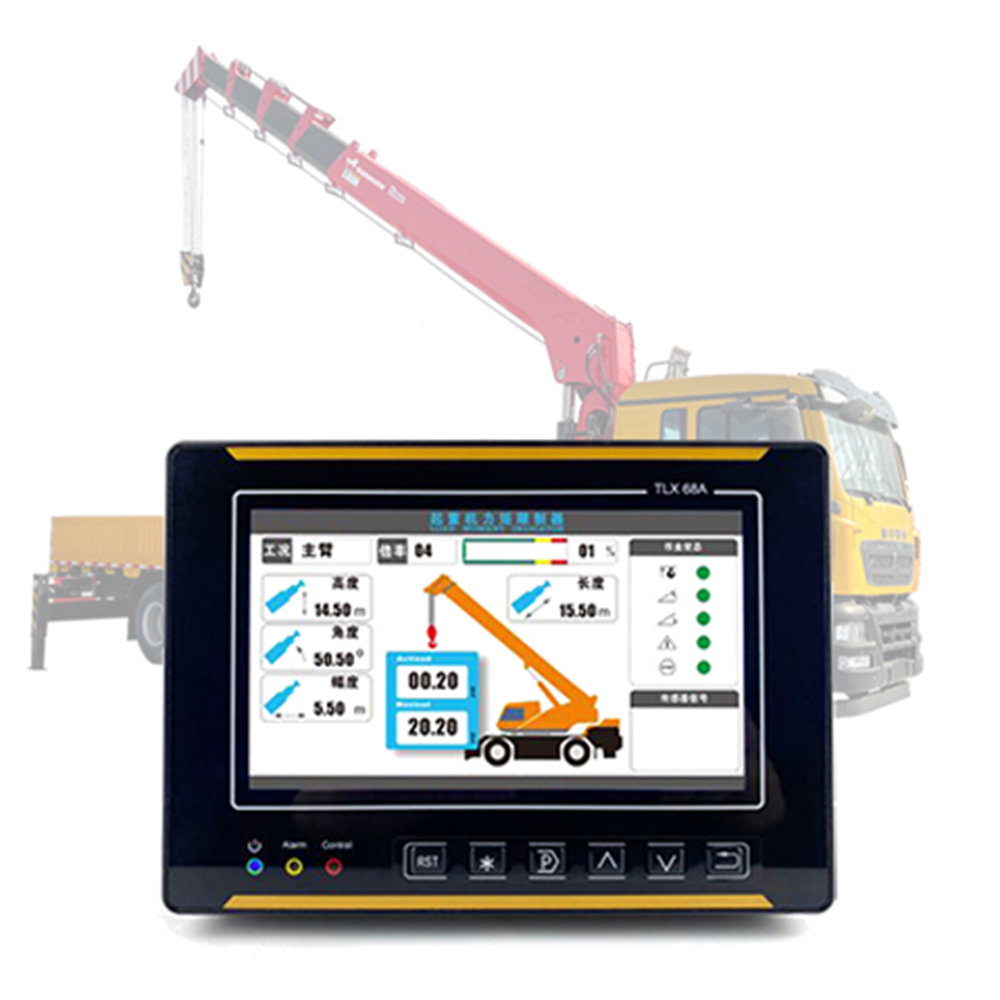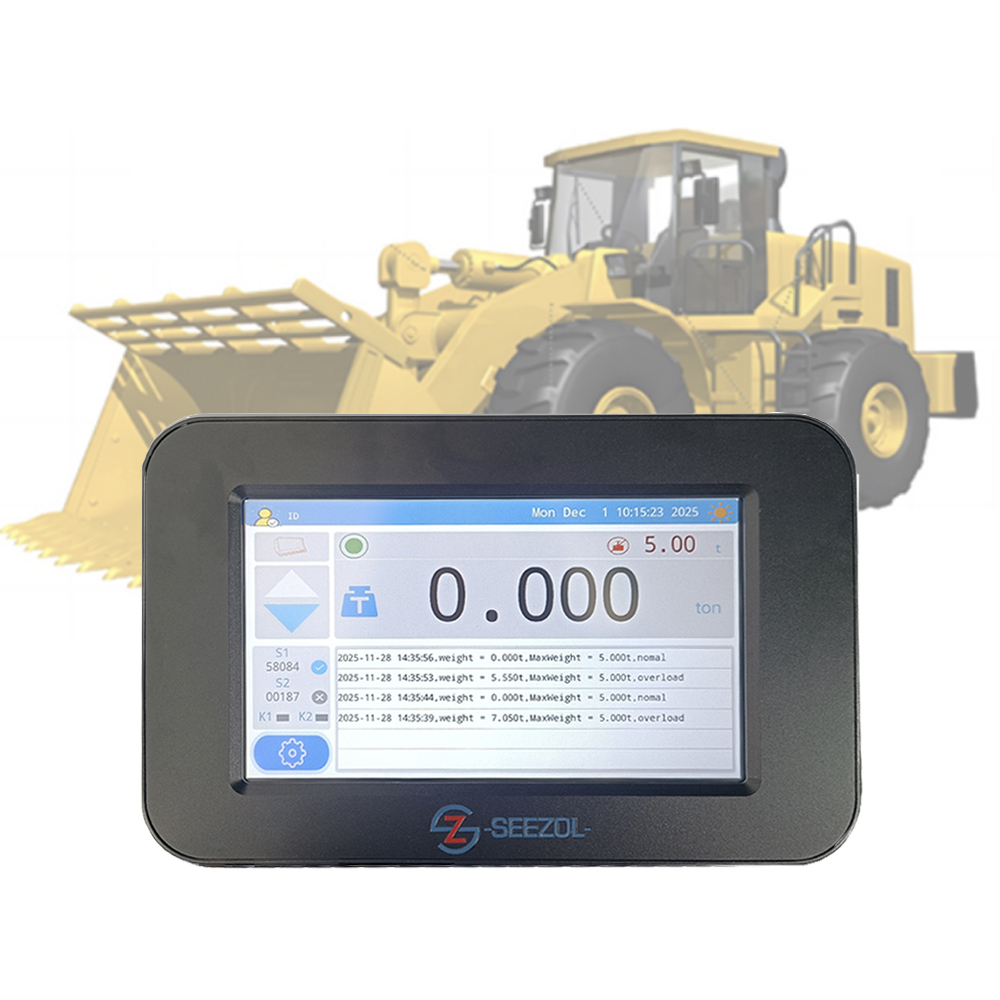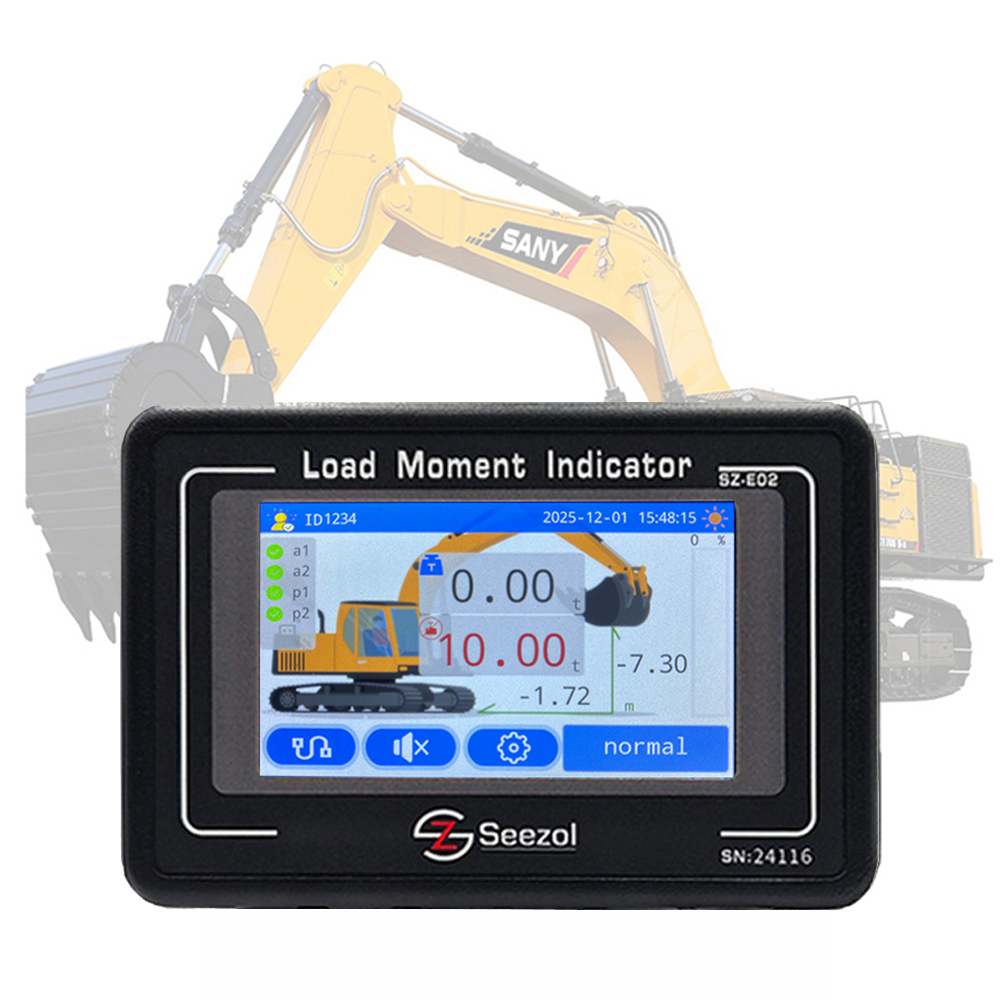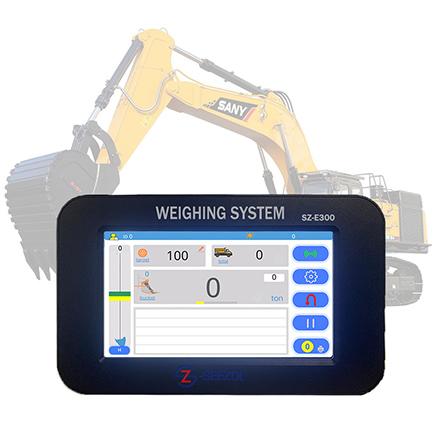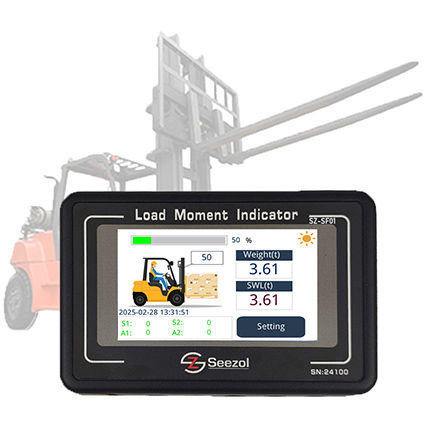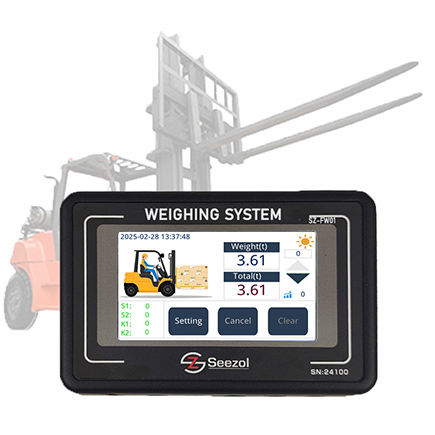
Si estás pensando en cómo elegir un indicador de momento de carga (LMI) Ya sea para una grúa, una excavadora o una cargadora sobre ruedas, esta guía te guía en la toma de decisiones tal y como lo hacen nuestros ingenieros de campo: primero la máquina, luego el catálogo. La normativa lo exige, la póliza de seguro lo menciona y el presupuesto del proveedor incluye tres modelos distintos a tres precios diferentes. Lo que los compradores descubren demasiado tarde es que un LMI no es un accesorio que se elija de una página de catálogo. Se trata de un sistema de medición diseñado en torno a una máquina específica: si se compra el incorrecto, se obtiene una pantalla que se ilumina, alarmas que se activan en los momentos equivocados y un operario que aprende a ignorar ambas cosas.
Esta guía es la lista de comprobación que utilizamos internamente a la hora de adaptar un sistema a la máquina de un cliente: grúas sobre camión, grúas sobre orugas, excavadoras, palas cargadoras y otros tipos de estructuras menos habituales. En ella se explica qué hay que tener en cuenta antes de comparar precios, cómo interpretar una ficha técnica y el paso de calibración que determina si el sistema se utiliza o se desactiva discretamente.
Qué hace realmente un indicador de momento de carga
Un LMI no pesa la carga directamente. Mide la geometría y el esfuerzo hidráulico de cada elevación —ángulo de la pluma, longitud de la pluma, presión del cilindro— calcula el momento en tiempo real y lo compara con la tabla de capacidad nominal almacenada en el controlador. Cuando se acerca al límite, avisa al operador. Si se supera, interrumpe los movimientos peligrosos mediante un relé.
Si estás dudando entre un indicador y un dispositivo que solo indica el umbral, empieza por la diferencia entre un LMI y un limitador de carga — En el resto de esta guía se da por hecho que quieres la cadena de monitorización completa. Nuestra Centro de información sobre el mercado laboral (LMI) «grúa por grúa» mantiene la lista completa de máquinas en un solo lugar.
Paso 1: Empieza por tu máquina, no por el catálogo
El error más habitual a la hora de comprar es basarse en una sola cifra: la capacidad nominal. Dos grúas de 25 toneladas pueden necesitar cadenas de sensores completamente diferentes. Lo que el sistema debe ver Lo determina la estructura de la máquina, no su marca.
| Máquina | Lo que el sistema debe supervisar | Rango típico | Sistema de referencia |
|---|---|---|---|
| Grúa sobre camión / grúa todoterreno | Longitud de la pluma, ángulo de elevación, presión sobre el apoyo | 10–100 t | SZ-M100 móvil crane LMI |
| Grúa sobre orugas | La misma cadena, mayor variedad, gráficos específicos para orugas | hasta 260 t | Grúa sobre orugas LMI |
| Grúa araña / mini grúa sobre orugas | Postura de estabilizador + momento de configuración múltiple | 0,8–20 t | Grúa araña SZ-SC01 LMI |
| Grúa marítima y de barco | Momento bajo efecto de cabeceo y balanceo, sellado marítimo | varía | Grúa para buques LMI |
| Excavadora | Presiones de los cilindros de la pluma, el brazo y la cuchara | 10–100 t | Indicador de carga de la excavadora |
| Cargadora sobre ruedas | Presión del cilindro de elevación + posición del gatillo en el brazo | 1-20 t | báscula para cargadoras sobre ruedas de tercera generación |
| Carretilla elevadora / manipulador telescópico | Carga del mástil, momento de estabilidad en altura | 2–25 t | Manipulador telescópico LMI |
| Reachstacker | Momento de la viga en centros de carga excéntricos | 10–45 t | Indicador de carga para reachstacker |
| Tender de tuberías con pluma lateral | Momento de la pluma con cargas del centro de gravedad desplazadas | hasta 90 t | Indicador de carga del brazo lateral |
| Operario de manipulación de materiales | Momento en servicio continuo bajo cargas cíclicas | 10-50 t | Indicador de carga para carretillas elevadoras |
| Grúa de pluma articulada | Compensación del ángulo de articulación | 3-50 t | Pluma articulada LMI |
Una grúa araña que trabaja en interiores ilustra por qué esto es importante. Su capacidad nominal varía con cada extensión de los estabilizadores, por lo que el LMI debe detectar postura de apoyo, y no solo la geometría de la pluma: una grúa sobre camión sin datos de los estabilizadores no puede proteger esta máquina, independientemente de lo que afirme la caja.
Si gestionas un mixto flota, resiste la tentación de comprar un solo modelo para todo. Una gama más amplia con tablas de capacidad configurables resulta más económica que tres sistemas incompatibles entre sí, pero solo si la cadena de detección sigue siendo compatible con cada bastidor. Pide al proveedor que te facilite un presupuesto por tipo de máquina y que te muestre el diagrama de detección de cada unidad, no solo del primero.
Paso 2 — Sigue la cadena de sensores. La fiabilidad de cualquier indicador de momentos de carga depende de su sensor más débil, así que revisa la cadena en orden.
La calidad de cualquier LMI depende en gran medida de sus tres puntos de detección. Es aquí donde los sistemas de bajo coste recortan gastos y donde empiezan a surgir los fallos.
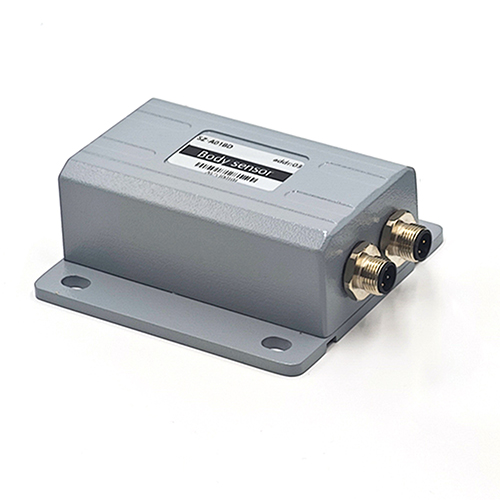
El sensor de ángulo se coloca en el pivote de la pluma y mide el ángulo de luffing; una unidad de doble eje también detecta la inclinación lateral, lo cual es importante en los bastidores sobre orugas y de araña. El sensores de presión hidráulica (0–40 MPa, 4–20 mA, 0,51 TP4T FS) convertir la presión del cilindro en carga; la precisión en este punto determina el límite máximo de precisión de todo el sistema. Una longitud o sensor de activación cierra la cadena en las plumas telescópicas y los brazos de la cargadora.
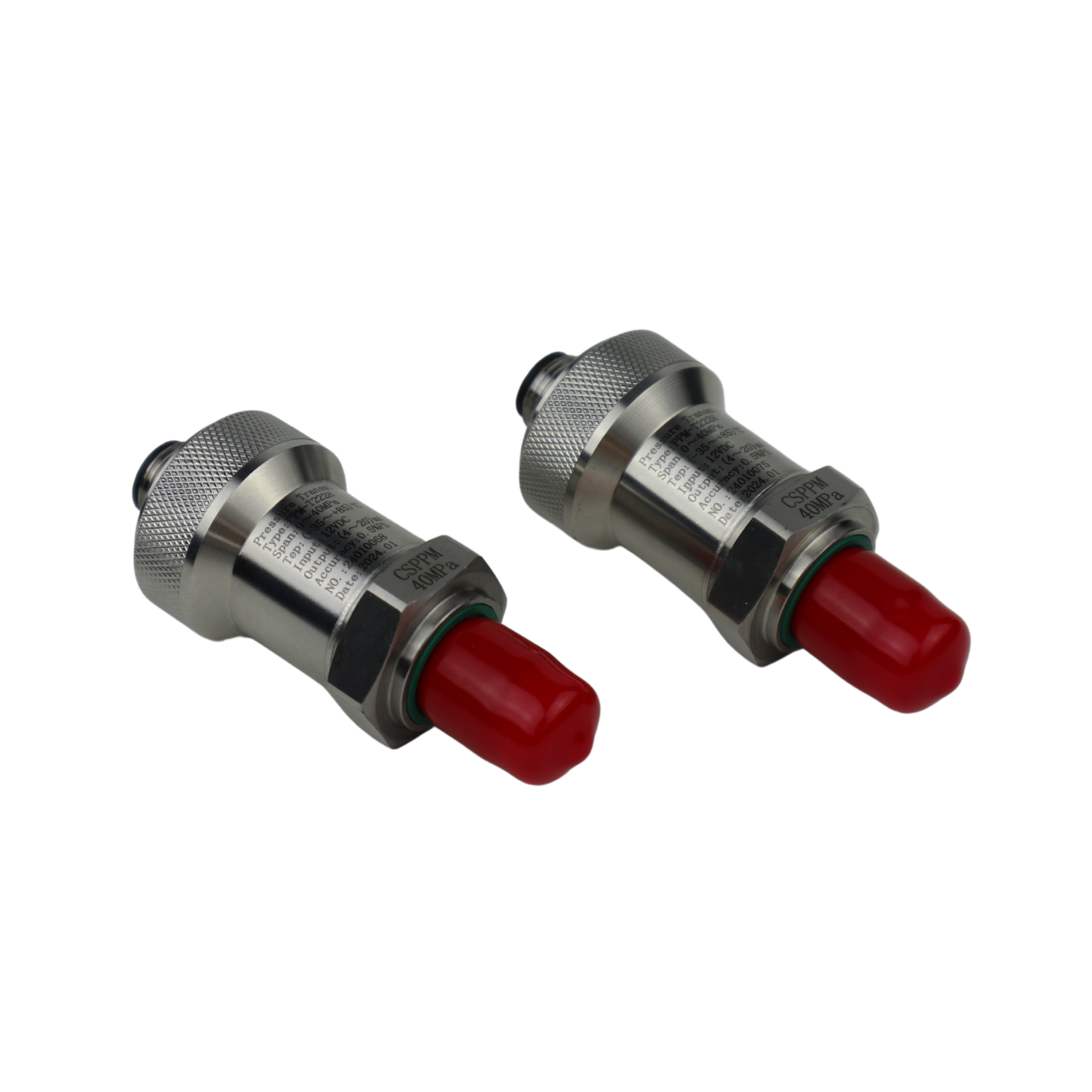
Hay tres parámetros ambientales que distinguen a un sensor industrial de uno de exposición: Sellado IP65 a prueba de polvo y resistente al lavado, un De −20 °C a +70 °C ventana para los trabajos en las tuberías durante el invierno y en las cubiertas durante el verano, y cableado resistente a las interferencias electromagnéticas (EMC) que resiste las interferencias del compartimento del motor. Pide estos tres datos antes que nada.
Paso 3: Lee la ficha técnica como un ingeniero
Las fichas técnicas recogen los mismos elementos en un orden diferente. Aquí tienes una real —nuestro sistema de grúa móvil SZ-M100— con las preguntas que debería suscitar cada línea.
| Línea de especificaciones | Valor | Qué debes comprobar en tu máquina |
|---|---|---|
| Gama | 5–260 t | Aprovecha al máximo tu capacidad y la capacidad mínima que aún quieres que se muestre: un solo rango rara vez se adapta a una flota mixta |
| Error del sistema | ±3% | Con 100 t, eso supone ±3 t. ¿Es eso aceptable para tus planes de elevación y las normas de la obra? |
| Error de visualización | ±5% | Lo que ve el operador frente a lo que ha calculado el controlador: un aspecto importante para los alumnos en formación |
| Protección | IP65 | Es suficiente para la limpieza con agua a presión y el polvo; para los trabajos portuarios y marítimos se debería solicitar una protección mayor |
| Temperatura | −20…+70 °C | Tanto el gasoducto de invierno como la cantera del desierto se encuentran en el interior; comprueba tus valores extremos |
| Tensión de alimentación | 9-36 V CC | Su diseño de amplio rango de entrada admite caídas de tensión al arrancar en frío y sistemas eléctricos de camiones de 24 V |
| Salida de relé | 220 V CA / 3 A | Asegúrate de que realmente pueda cortar el circuito de movimiento de tu grúa; pide el esquema eléctrico. |
Paso 4 — Cumplimiento normativo y documentación
Las autoridades reguladoras consideran que la protección contra sobrecargas es un equipo obligatorio, no una opción. La serie ISO 10245 para grúas, la norma EN 13000 para grúas móviles y la norma china GB/T 12602 describen lo que debe detectar y hacer un dispositivo limitador de carga. Si sus grúas cruzan fronteras —flotas de alquiler, contratos portuarios, proyectos EPC—, la documentación viaja junto con la máquina: un certificado de calibración, la tabla de capacidad nominal utilizada por el controlador y los manuales en el idioma del operador. Solicite al proveedor estos tres documentos en la fase de presupuesto, no después de la entrega.
Paso 5: la instalación y la calibración determinan si se va a utilizar
Un sistema correctamente especificado puede fallar en la práctica por una única razón: nadie lo ha calibrado. Durante la instalación se colocan los sensores; la calibración enseña al controlador cómo son el «cero» y la «carga conocida» en tu máquina.
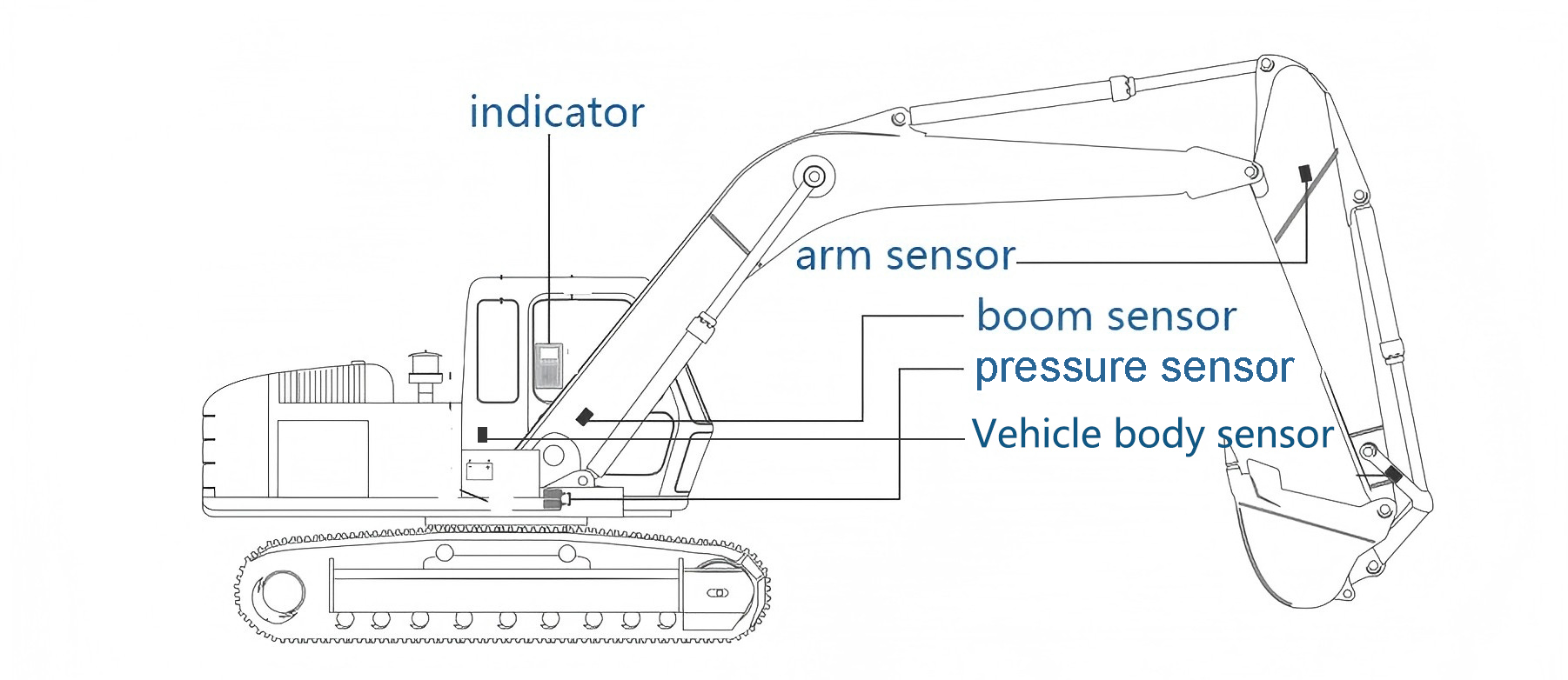 Distribución de los sensores en una excavadora: posiciones del indicador, del sensor del brazo, del sensor de la pluma, del sensor de presión y del sensor de la carrocería del vehículo
Prevé una jornada laboral para la instalación de los sensores y el cableado, y luego medio día para la calibración con pesos de prueba conocidos en al menos tres puntos de la tabla de capacidad. Tras un cambio de cable metálico, una reparación de la pluma o una variación estacional de la temperatura, vuelve a comprobar el cero: una pantalla sin calibrar hace que los operadores desconfíen del sistema, y así es como las LMI acaban desconectadas.
La disciplina en materia de calibración es también lo que ha hecho que nuestro Puesta en marcha de la flota en Mongolia cuantificable: la cargadora sobre ruedas XCMG del cliente se sometió a una prueba de campo de 20 días con nuestro sistema de pesaje de tercera generación antes de decidirse a instalarlo en toda la flota.
Cuánto cuesta: un indicador de momento de carga correctamente especificado cuesta una fracción de lo que cuesta un solo accidente por sobrecarga y de lo que cuesta prescindir de él.
Ofrecemos presupuestos por máquina en lugar de publicar una lista de precios, ya que la cadena de sensores varía según el bastidor. Una pregunta más adecuada para tu presupuesto: ¿cuánto cuesta un accidente? Una grúa volcada supone una máquina siniestro total, una obra paralizada, una investigación y, en el peor de los casos, lesiones; unos costes que ningún presupuesto de LMI podrá ni siquiera acercarse a cubrir. Considera la compra como un seguro con pantalla, no como un simple accesorio.
Preguntas frecuentes
¿Cuál es la diferencia entre un indicador de momento de carga y un limitador de carga?
Un LMI muestra continuamente el momento medido en relación con el gráfico de capacidad nominal; un limitador de carga (SLI) se centra en detener los movimientos peligrosos al alcanzar un umbral establecido. La mayoría de los controladores SeeZol modernos combinan ambas funciones.
¿Qué grado de precisión tiene un indicador de momento de carga de una grúa?
Las cifras habituales son un error del sistema de ±31 TP4T y un error de visualización de ±51 TP4T respecto a la escala completa; en una capacidad de elevación de 100 t, la tolerancia del sistema es de ±3 t. La calidad de la calibración con cargas de prueba conocidas es más importante que los valores indicados en la ficha técnica.
¿Puede un indicador de momento de carga servir para diferentes modelos de grúa?
No. La cadena de detección, la tabla de capacidad y la lógica de alarma se diseñan para cada familia de máquinas: una grúa de araña necesita detectar la posición de los estabilizadores; una excavadora mide las presiones de los cilindros en lugar de la longitud de la pluma.
¿Funciona un LMI a temperaturas extremas?
Los sistemas industriales están homologados para temperaturas de entre −20 °C y +70 °C con protección IP65, lo que permite su uso tanto en trabajos en tuberías durante el invierno como en cubiertas durante el verano. Por debajo de −20 °C, solicite una pantalla adaptada a bajas temperaturas.
¿Cuánto tiempo tardan la instalación y la calibración?
Aproximadamente un día laborable para los sensores y el cableado, más medio día de calibración con pesas de prueba conocidas. Las instalaciones sin calibrar son la principal razón por la que los operadores dejan de confiar en la pantalla.
¿Con qué frecuencia se debe recalibrar un indicador de momento de carga?
Vuelve a comprobarlo tras cualquier cambio de cable metálico, reparación de la pluma, modificación estructural o transporte de larga distancia, y verifica que el valor sea cero al menos una vez por temporada. Las flotas que operan en varios turnos deben realizar una comprobación adicional a mitad de año.
¿Es lo mismo un indicador de momento de carga que un sistema de pesaje a bordo?
No. Un LMI es un dispositivo de seguridad: su función consiste en comparar el momento con la tabla de valores nominales y evitar movimientos peligrosos. Un sistema de pesaje es una herramienta de producción: su función consiste en medir el peso de la cuchara y de la carga útil con fines comerciales y logísticos. Las cadenas de detección se solapan, pero los objetivos de precisión, las alarmas y las salidas de datos difieren.
¿Puede el sistema registrar datos para la gestión de flotas?
Sí. Los controladores actuales almacenan el historial local, y las plataformas de tercera generación, como el SZ-LD100P, suben los datos de carga a un panel de control en la nube para permitir la supervisión de varias instalaciones.
Los cinco errores más comunes que vemos a la hora de comprar
Tras años de modernización de flotas, siguen repitiéndose los mismos cinco errores en las instalaciones fallidas. Ninguno de ellos tiene que ver con el precio.
- Comprar únicamente en función del tonelaje. Una grúa todoterreno de 25 t y una grúa sobre camión de 25 t comparten una placa identificativa, pero no una cadena de sensores. Empareja primero las estructuras.
- Considerar la calibración como opcional. El sistema viene «preconfigurado» y empieza a funcionar sin calibrar. Al cabo de un mes, el operador ya ni se fija en él.
- Me salto las cifras sobre el medio ambiente. Una pantalla diseñada para uso en oficina falla en su primer invierno; los sensores de presión que no cuentan con un sellado adecuado se desvían tras el primer lavado.
- Aceptación de una tabla de capacidades genérica. El controlador debe utilizar el gráfico que se ajuste a la configuración de tu barra y al rango de número de serie, no «un modelo similar». Pregunta qué versión del gráfico se incluye con la unidad.
- Olvidarse de la cadena de suministro de piezas de recambio. Los sensores fallan antes que los controladores. Antes de firmar, pregunta cuál es el plazo de entrega y el precio de un sensor de ángulo y un sensor de presión de recambio; si la respuesta es «lo comprobaremos», sigue buscando.
Cómo elegir un indicador de momento de carga: la lista de comprobación de 5 puntos
- Primero la máquina: Adapta la cadena de sensores a tu chasis, no a la placa de tonelaje.
- Sensores: Confirmar por escrito la clasificación IP65, −20…+70 °C y el cableado compatible con EMC.
- Ficha técnica: Se ha detectado un error del sistema ±3% en relación con tus planes de elevación reales.
- Cumplimiento: Documentos ISO 10245 / EN 13000 / GB/T 12602 prometidos en el presupuesto.
- Calibración: programadas con pesos de prueba y revisadas de nuevo tras realizar trabajos con cuerdas o plumas.
Responde a estas cinco preguntas y la comparación de presupuestos será muy sencilla. Si quieres una segunda opinión sobre tu lista de máquinas, envía nuestro equipo de ingeniería los modelos de grúa, las capacidades y el entorno de trabajo: le enviaremos una propuesta de configuración en el plazo de un día laborable.