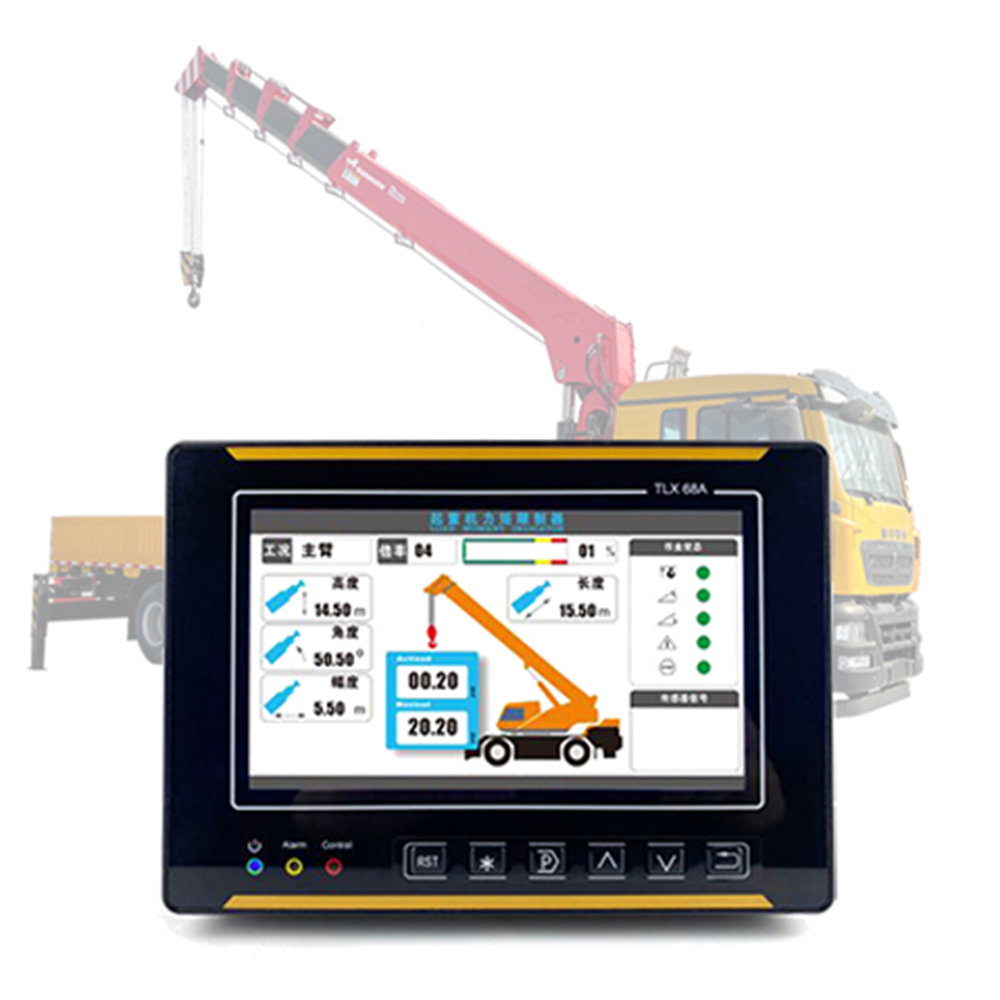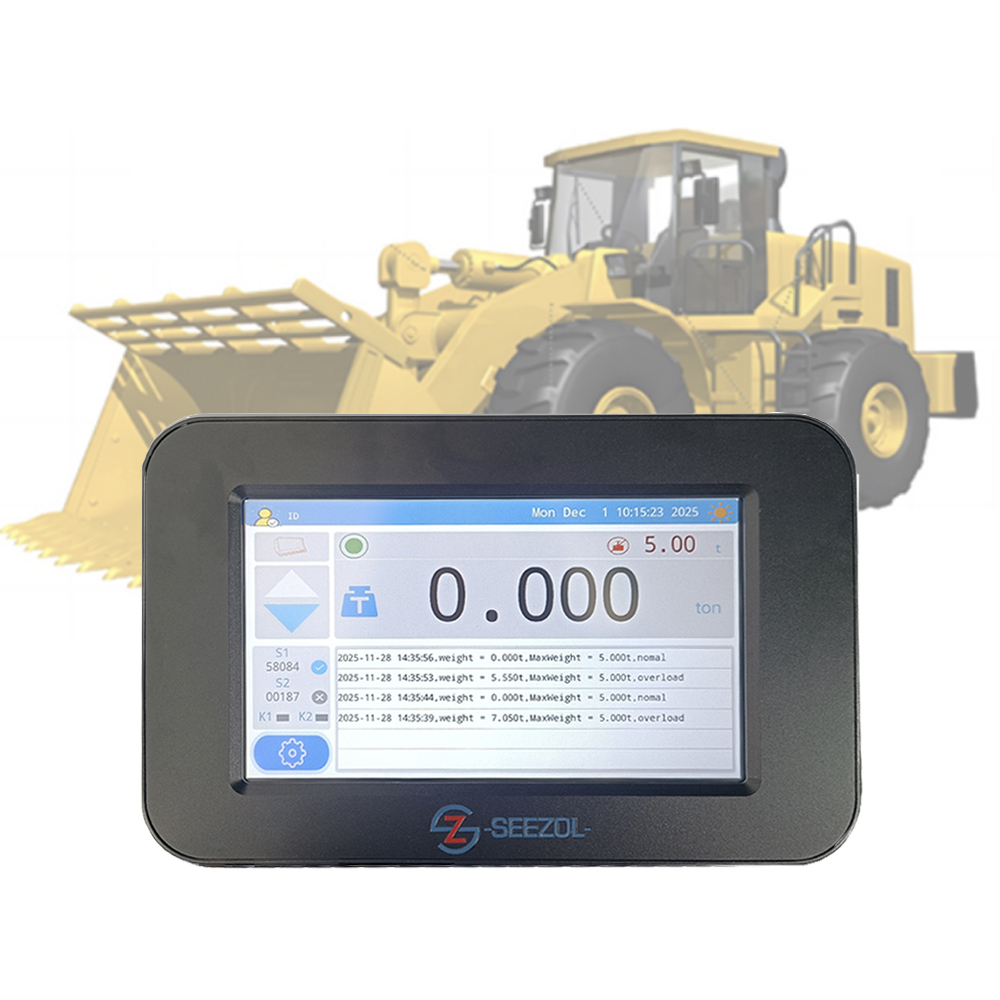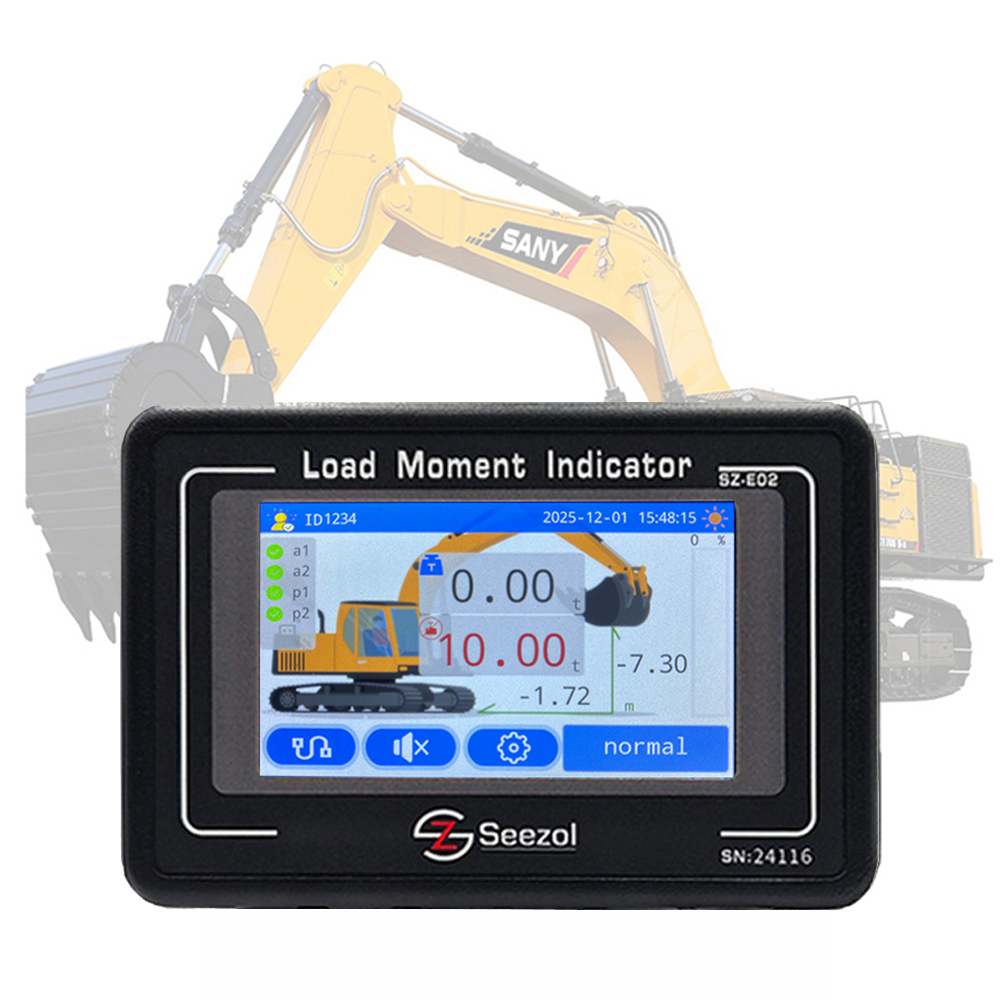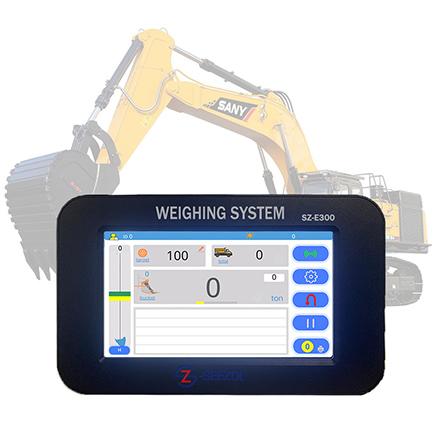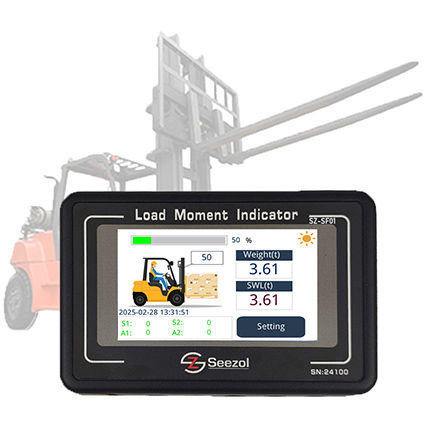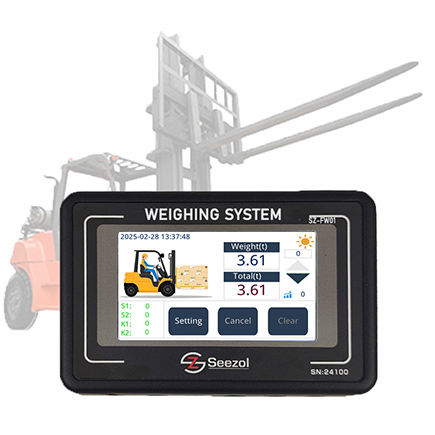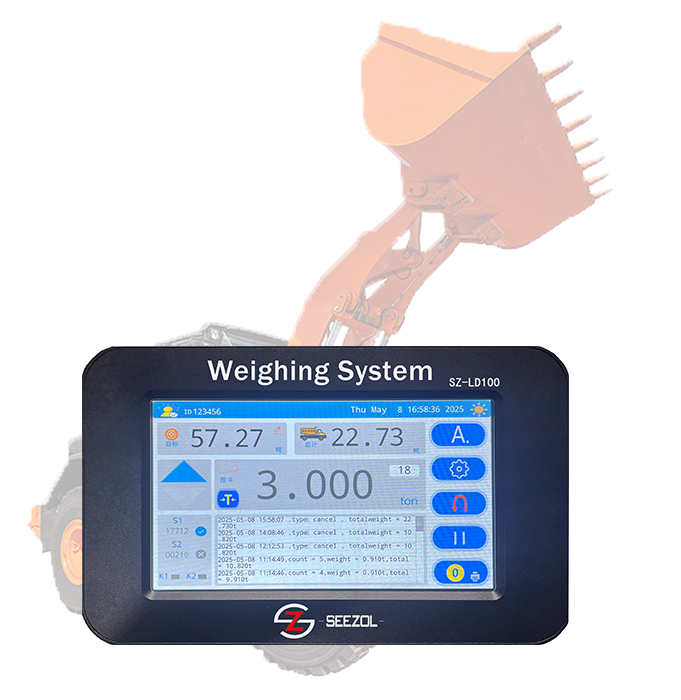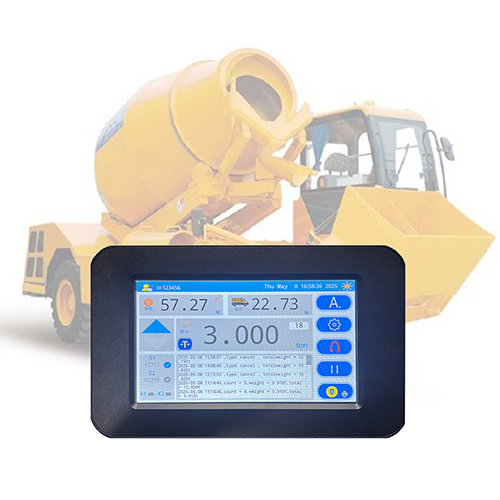
Against the global wave of industrial intelligence, lifting machinery serves as core equipment for engineering construction and logistics transportation. Upgrading safety control and operational efficiency has become a key development priority across the industry. The load moment indicator (LMI) for cranes is currently undergoing a critical technical iteration, with its overall architecture fully upgraded from traditional single-chip microcomputer solutions to CAN bus intelligent systems based on IoT edge computing. This technical shift not only represents a major upgrade to industry control solutions but also marks the official entry of crane safety management into a new stage of networked, proactive predictive intelligence.
From Isolated Standalone Control to Full-Scope Intelligent Collaboration: Core Value of Architectural Iteration
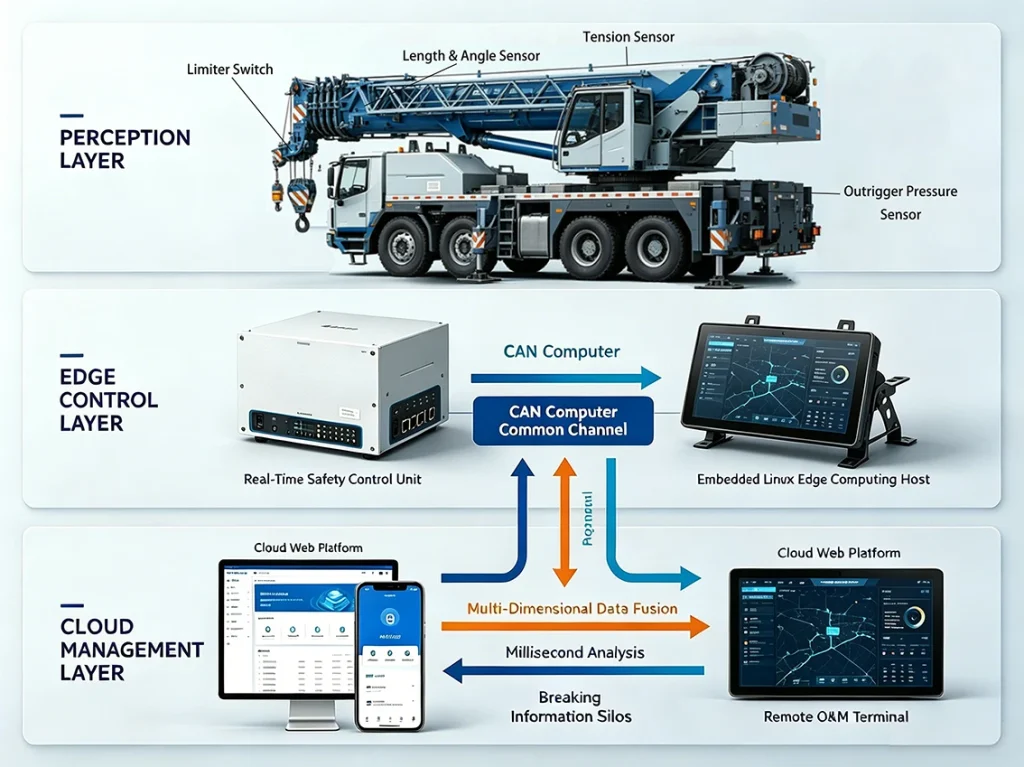
Traditional single-chip microcomputer-based load moment indicators can complete basic load monitoring, yet they feature closed systems, weak scalability and limited computing power, failing to meet the comprehensive demands of modern construction sites for real-time data transmission, operational stability and in-depth data analysis. The new-generation edge computing intelligent LMI is equipped with high-performance local computing units and an embedded operating system that supports parallel multi-task processing. It can perform millisecond-level fusion analysis of multi-dimensional working condition data including load moment, operating radius, wind speed and boom inclination. Supported by the CAN bus communication architecture, the system seamlessly interconnects all sub-systems of cranes, unblocking data links between sensors, controllers and actuators and completely eliminating equipment information silos.
The underlying transformation brought by architectural upgrades lies in the shift of safety logic from passive alarm to active risk prediction. Older equipment only triggers audio-visual alarms after overload faults occur; new edge computing systems can deduce potential risks by combining historical operation data with real-time working conditions and intervene in dangerous operations in advance to realize pre-emptive hazard prevention.
Edge Local Intelligence: Ensuring Fast and Reliable Safety Decision-Making Under Complex Working Conditions
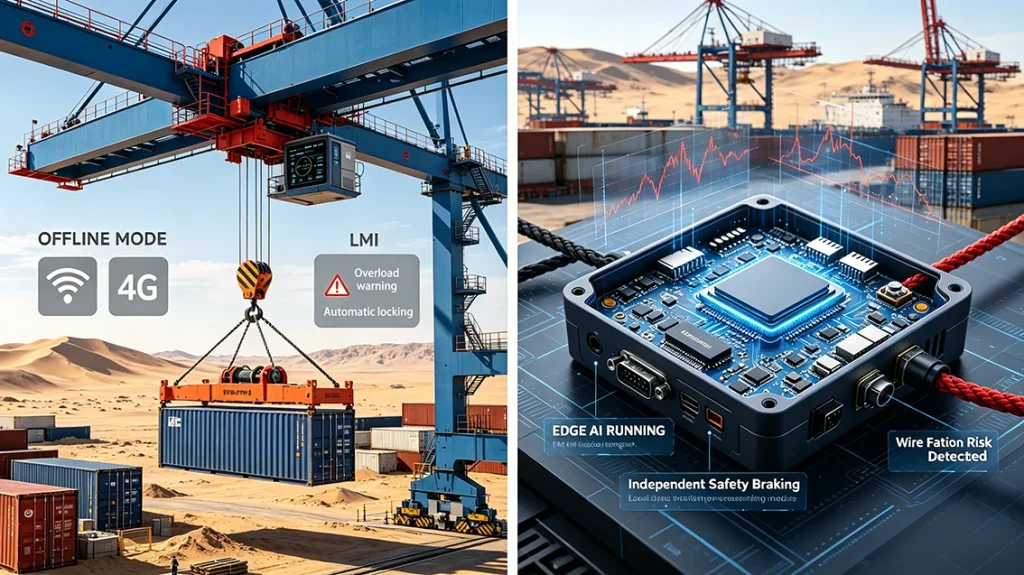
Under the traditional single-chip microcomputer architecture, all data is aggregated to the main control unit for centralized calculation, resulting in noticeable signal response delays. Once the on-site communication link is interrupted, the entire safety protection mechanism may malfunction. New-generation edge computing load moment indicators deploy core computing, early warning and protection algorithms on equipment terminals to achieve independent local decision-making and millisecond-level instant response. Even amid on-site network fluctuations or complete disconnection, the equipment can autonomously complete core safety protection actions such as overload early warning, automatic radius limiting and emergency braking, greatly boosting operational reliability under extreme working conditions.
Meanwhile, edge terminals pre-process raw sensor data and extract key features, uploading only valid working condition information to the cloud to drastically reduce bandwidth occupancy and improve overall system efficiency. The system can independently identify abnormal vibration signals of equipment, predict hidden faults such as structural fatigue and component wear, and automatically generate equipment maintenance early warning records to provide quantitative data support for planned maintenance.
Full-Scale IoT Interconnection: Establishing a Digital Management System for Lifting Equipment
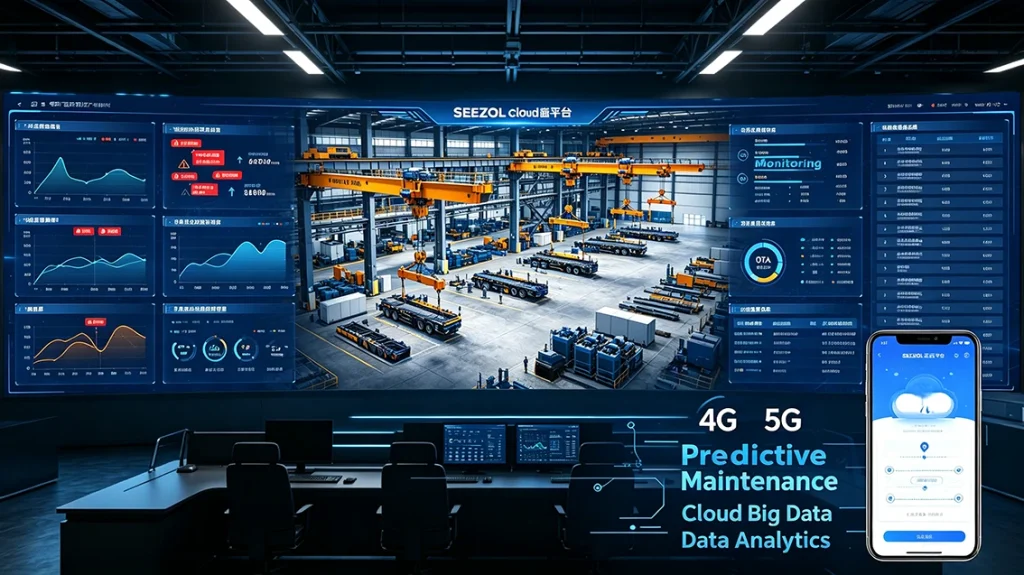
New-generation intelligent load moment indicators support multiple wireless communication protocols including 4G/5G, Wi-Fi and Bluetooth. They synchronously upload real-time equipment operating status, fault codes and complete operation logs to the cloud management platform. Project managers can remotely supervise multiple lifting equipment on site in batches via mobile APPs or web management terminals, implementing digital management such as predictive maintenance, operation data review and energy consumption control.
The system is equipped with OTA remote firmware upgrade functions. Remote program iteration can be completed without on-site disassembly and commissioning, effectively cutting labor and time costs for equipment maintenance. Continuous accumulation of massive equipment operation data also provides a data foundation for training industry intelligent algorithms. Advanced functions can be expanded in the future, such as load trend prediction, operator hazardous behavior identification and intelligent recommendation of optimal working conditions. This drives the transformation of lifting safety protection systems from post-factum protection to full-process intelligent control, enabling autonomous equipment perception and intelligent system analysis.
Standardized CAN Bus Architecture: Interconnecting the Ecosystem of Smart Construction Sites
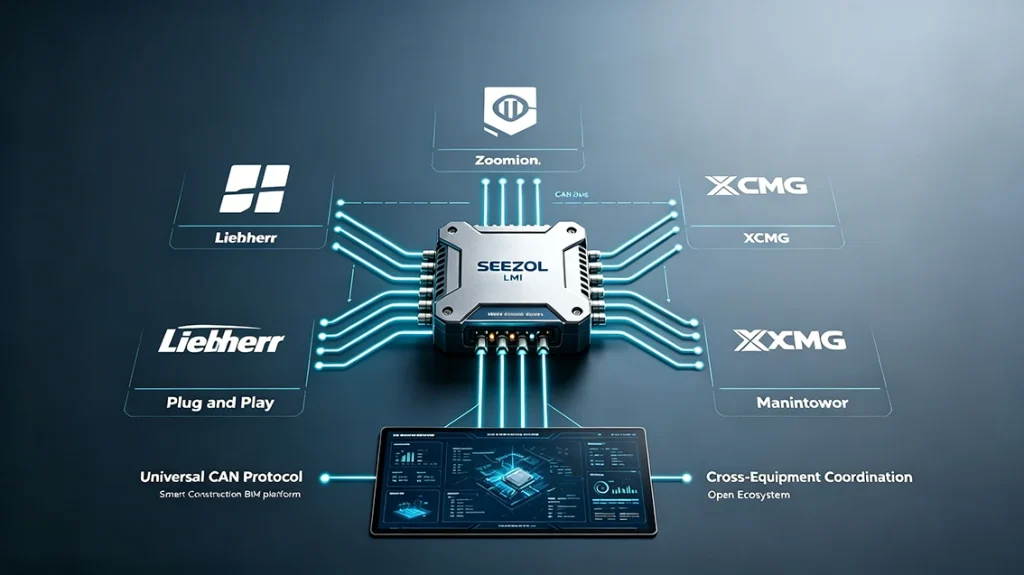
Mainstream new-generation load moment indicators in the industry uniformly adopt the universal CAN bus industrial protocol, featuring strong anti-electromagnetic interference performance and stable and reliable transmission. They boast high compatibility with crane electronic control systems of various brands. The standardized open architecture also reserves complete interfaces for equipment access to smart construction site platforms and Building Information Modeling (BIM) systems.
Within the overall ecosystem of smart construction sites, each crane can act as an independent intelligent node. Linked with the IoT platform via CAN bus, multi-equipment collaborative scheduling, lifting path optimization and cross-equipment safety linkage control can be realized. The overall technical development direction of the industry is shifting from independent intelligence of single equipment to collaborative intelligent control of all equipment clusters on construction sites.
Conclusion: Underlying Digital Transformation in the Field of Lifting Safety
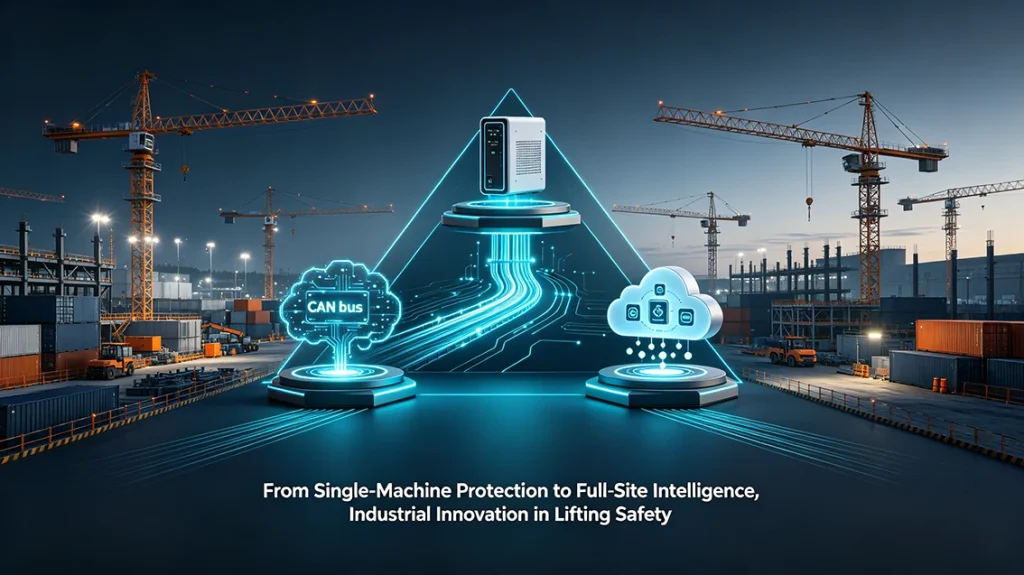
From centralized computing with single-chip microcomputers to distributed edge computing, and from standalone equipment control to full-scale IoT collaboration, this round of technical iteration of load moment indicators is more than an improvement in hardware parameters — it represents a systematic innovation in the philosophy of lifting safety management. Leveraging stronger local computing power, more sensitive multi-dimensional perception and a more open standardized communication architecture, new-generation load moment indicators have reconstructed the value boundary of crane safety control.
This industry-wide technical upgrade constitutes a vital link in the intelligent transformation of construction machinery. It also provides a mature implementation path for the digitization of domestic engineering equipment and the standardization of safety control, continuously advancing the high-quality development of the domestic engineering equipment industry.