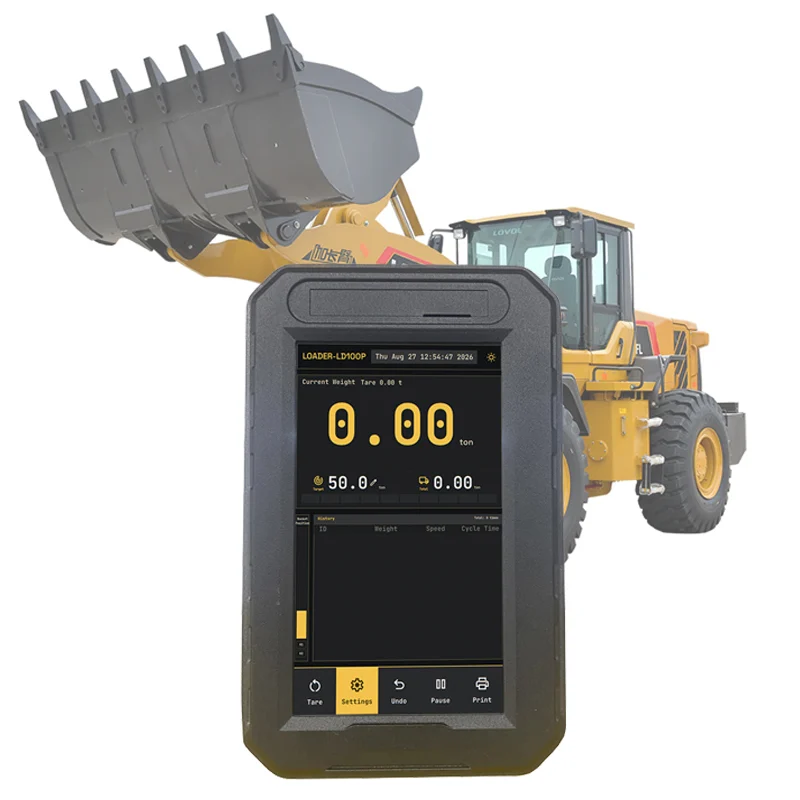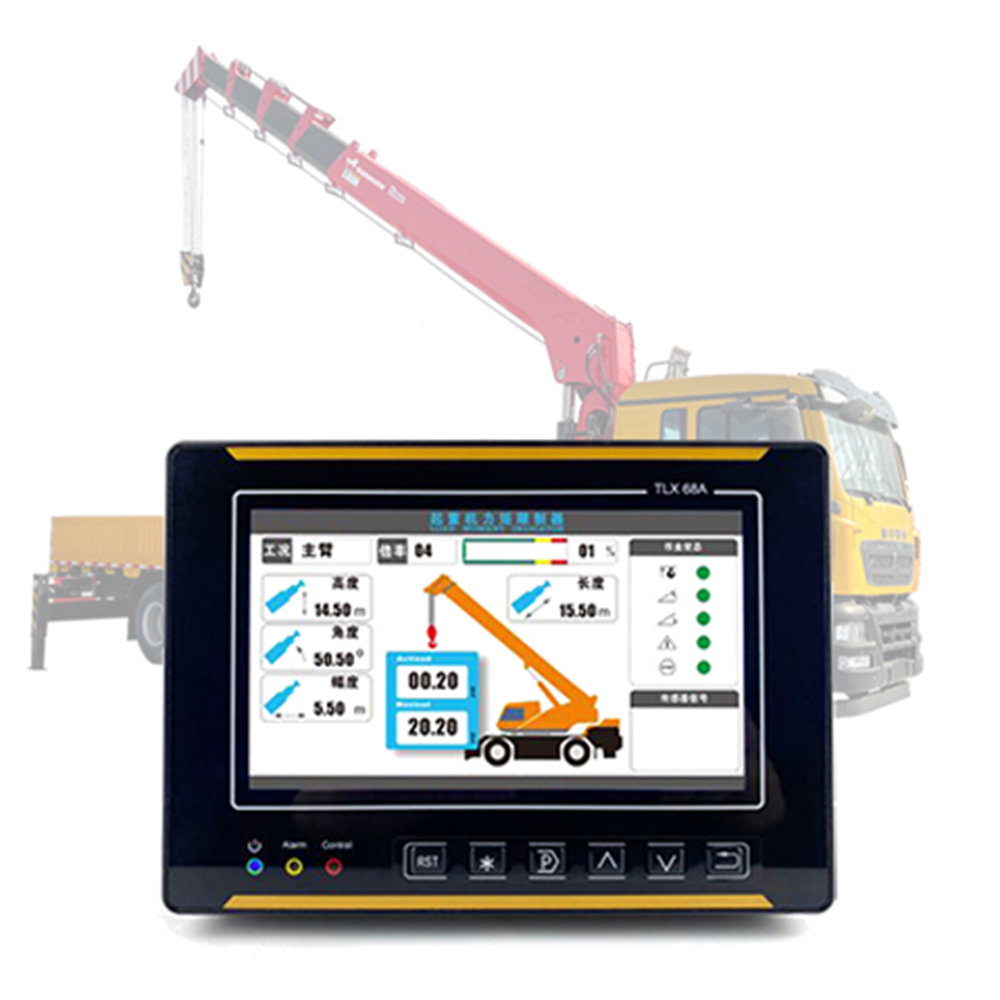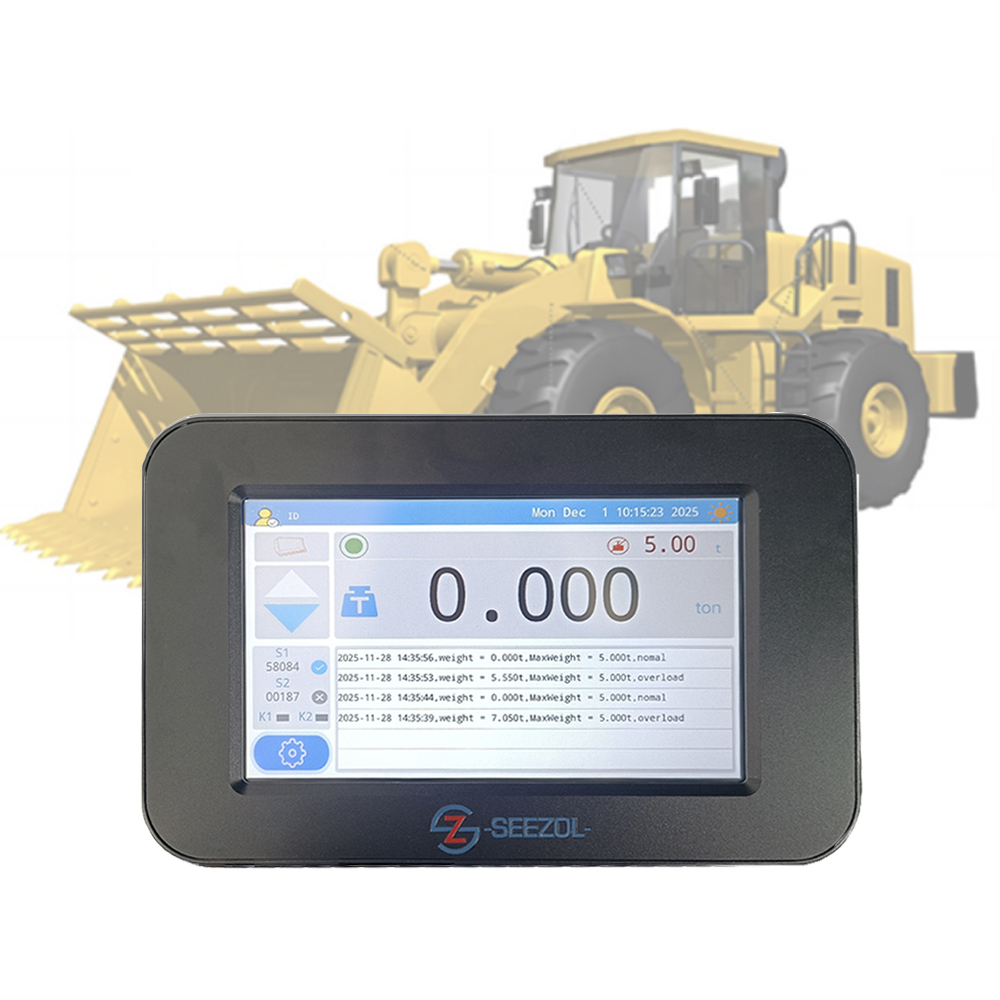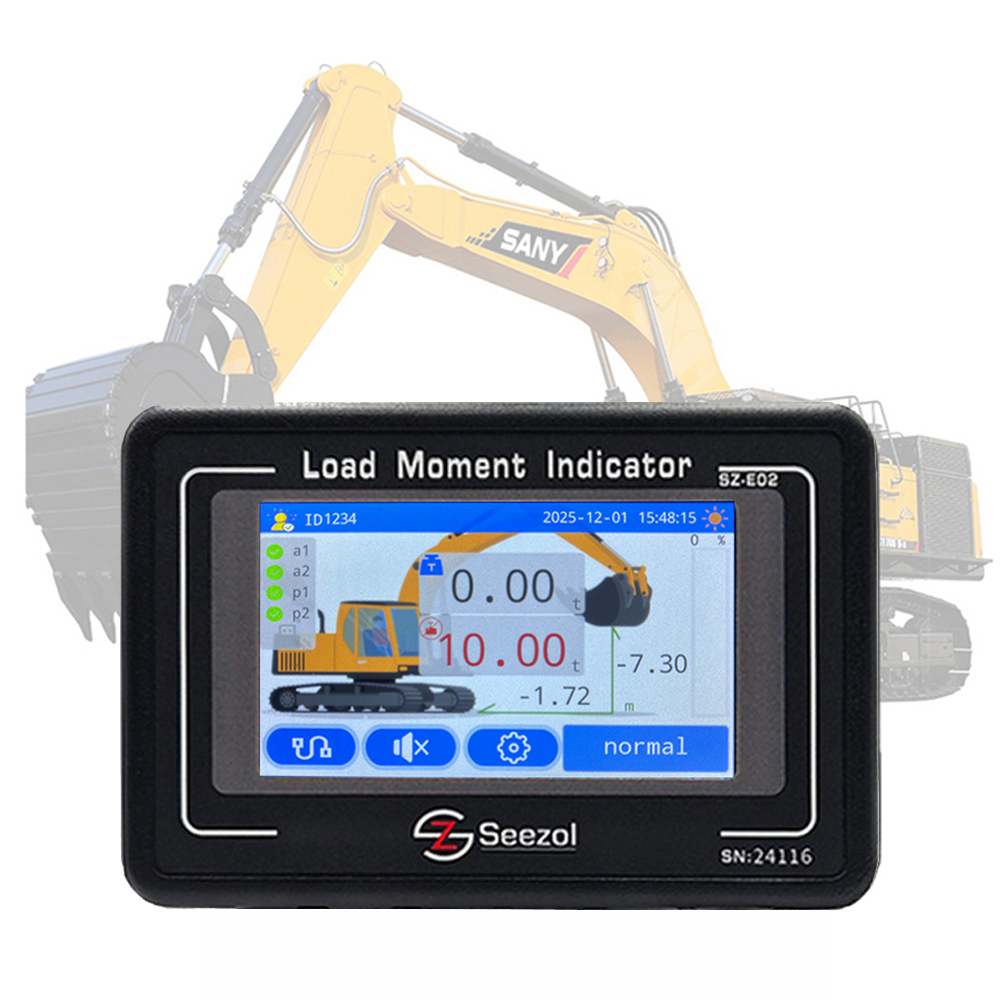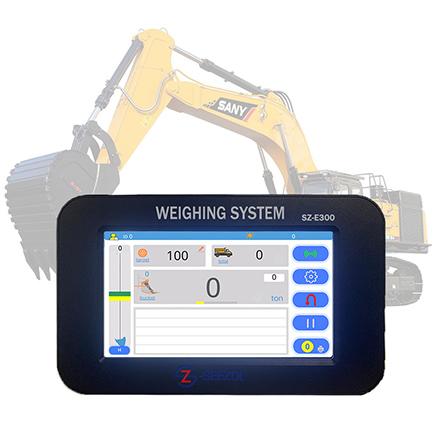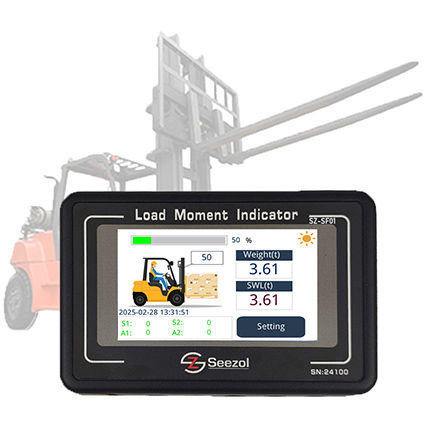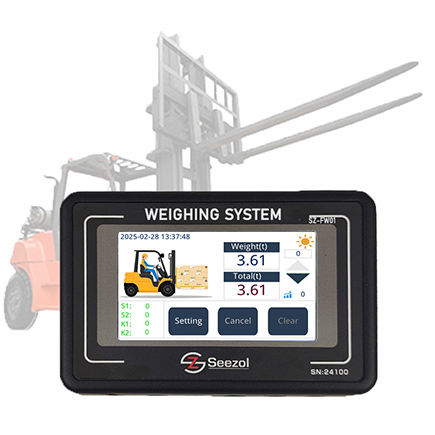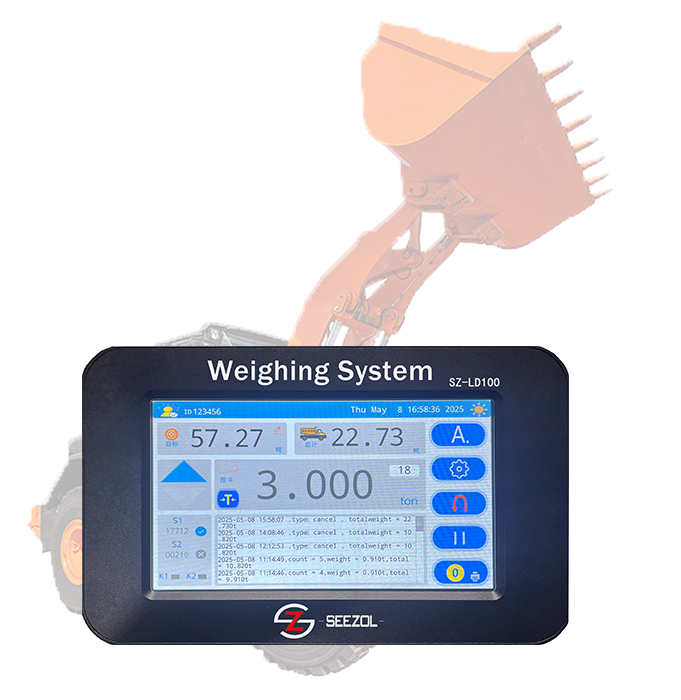
In the field of construction machinery safety monitoring, both Load Moment Indicator (LMI) and Safe Load Indicator (SLI) are applied for lifting safety supervision, but they differ essentially in working principle, technical logic, safety performance and industry compliance standards.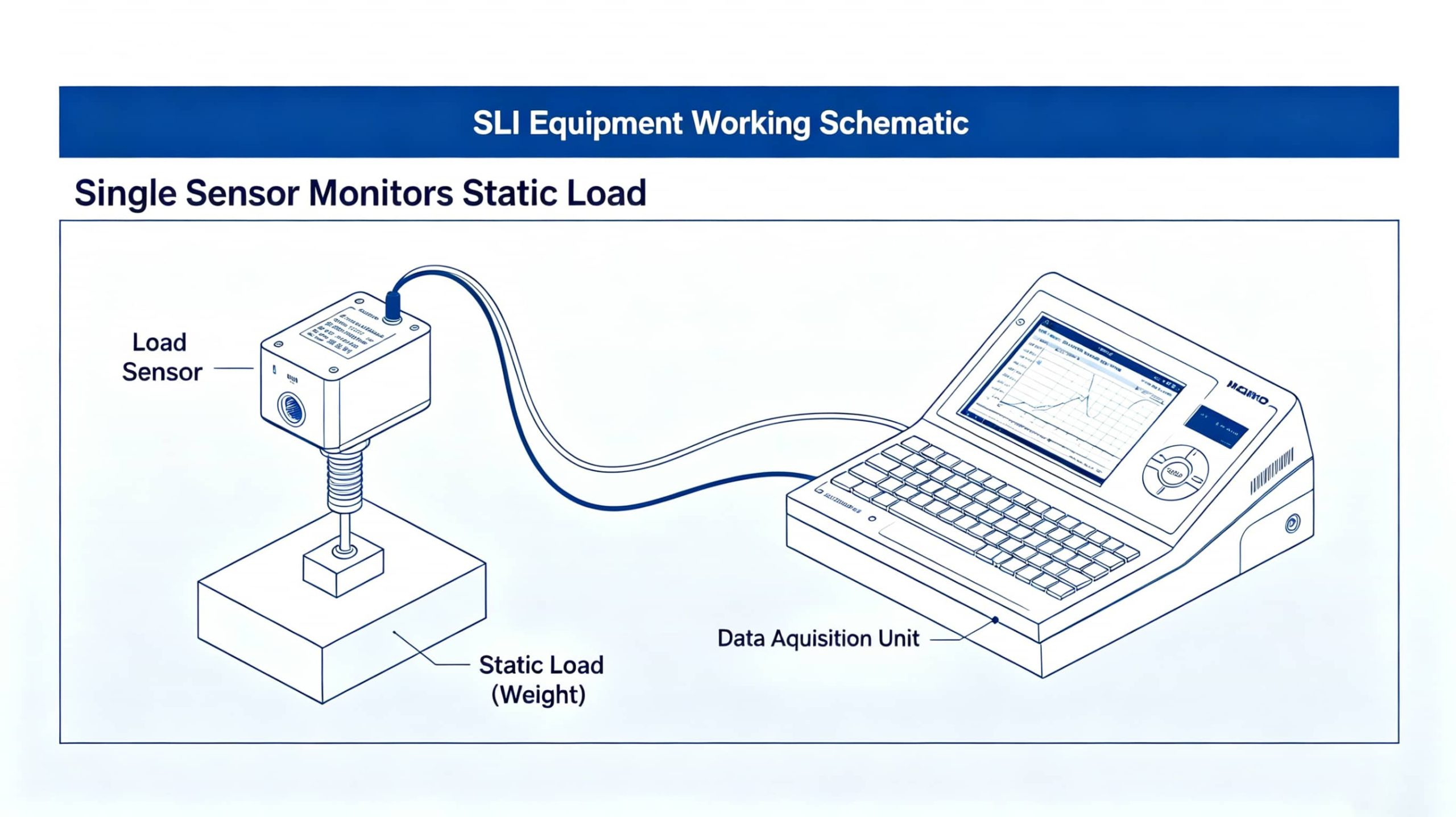
The SLI is a basic passive safety monitoring device. It adopts single or limited sensor signals to simply monitor the real-time load weight and judge whether the load exceeds the rated static value. With a single calculation dimension, the SLI cannot collect operating parameters such as boom length, working radius and luffing angle. It fails to identify potential overturning and structural risks caused by dynamic moment overload, even if the actual load weight is within the standard range.
The SLI only provides sound and light overload alarms without active control or interlock functions, and is merely applicable to simple and light-duty lifting equipment.
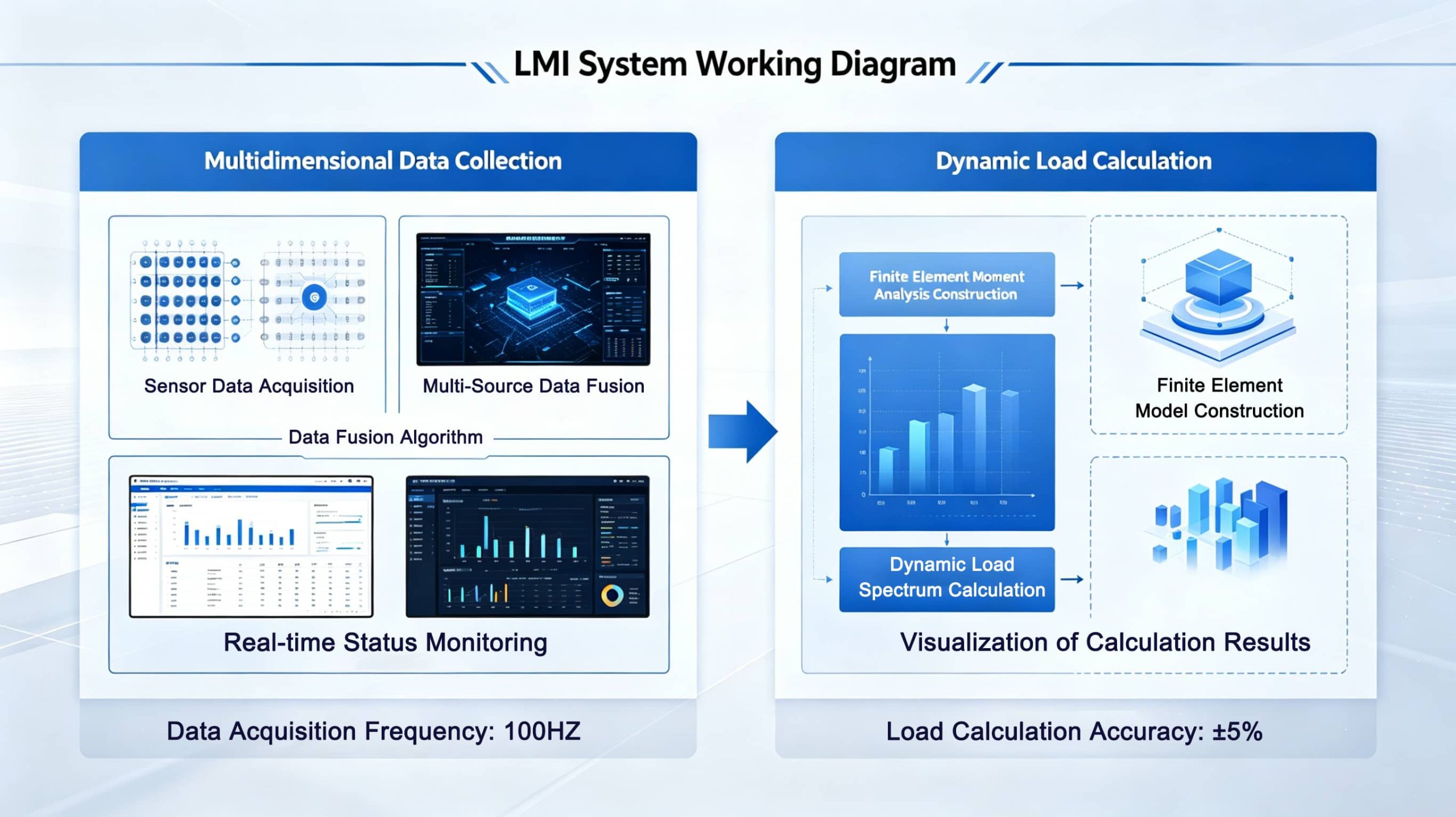
The LMI is an industrial-grade active safety protection system and a mandatory standard configuration for cranes and engineering machinery in accordance with international industry regulations. The LMI synchronously collects multi-dimensional data including load weight, boom angle, boom length and working amplitude. It calculates real-time dynamic load moment through professional algorithms and matches the factory-rated moment curve to achieve accurate safety judgment. It effectively eliminates the monitoring blind spots of SLI and identifies dangerous conditions with non-overweight load but excessive moment. Furthermore, the LMI supports graded early warning and overload protection, which automatically limits dangerous movements to prevent equipment overturning and structural damage.
In summary, SLI only monitors static load value with passive reminder functions, while LMI realizes full-range dynamic moment monitoring, active safety interlock and intelligent risk control, which is the mainstream and compliant safety solution for modern engineering machinery.