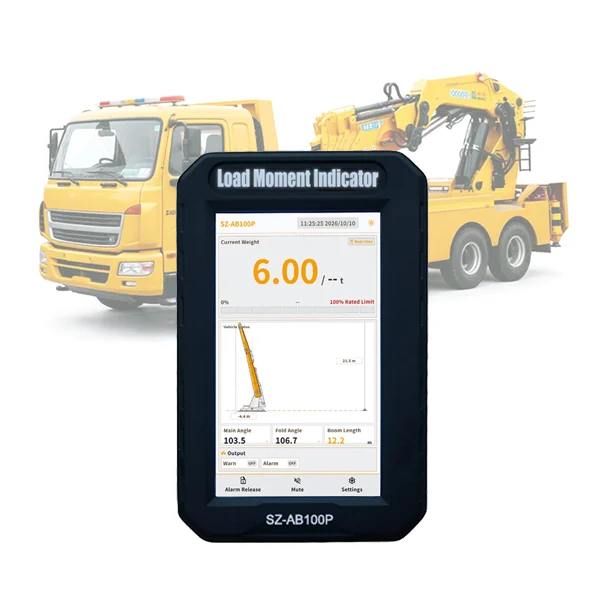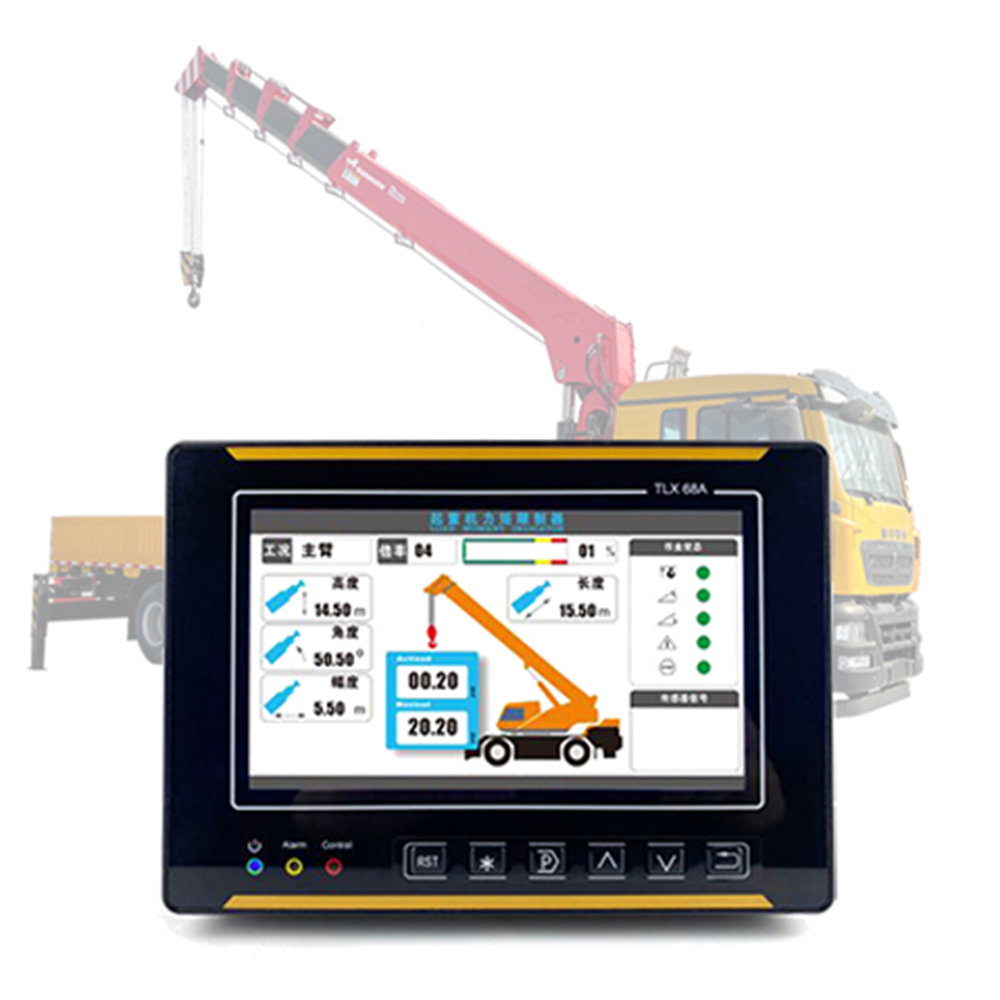
Раскрытие информации: Компания SeeZol производит индикаторы момента нагрузки, ограничители номинальной грузоподъемности и бортовые системы взвешивания для кранов и подъемного оборудования. Данная статья была подготовлена нашей собственной редакционной командой, а продукты, ссылки на которые приведены в заключительной части, являются нашей продукцией. Все факты, касающиеся происшествия, взяты из открытых источников и официальных текстов цитируемых стандартов; технический анализ и мнения принадлежат редакционной команде и не отражают позицию какого-либо регулирующего органа или стороны, причастной к данному происшествию.
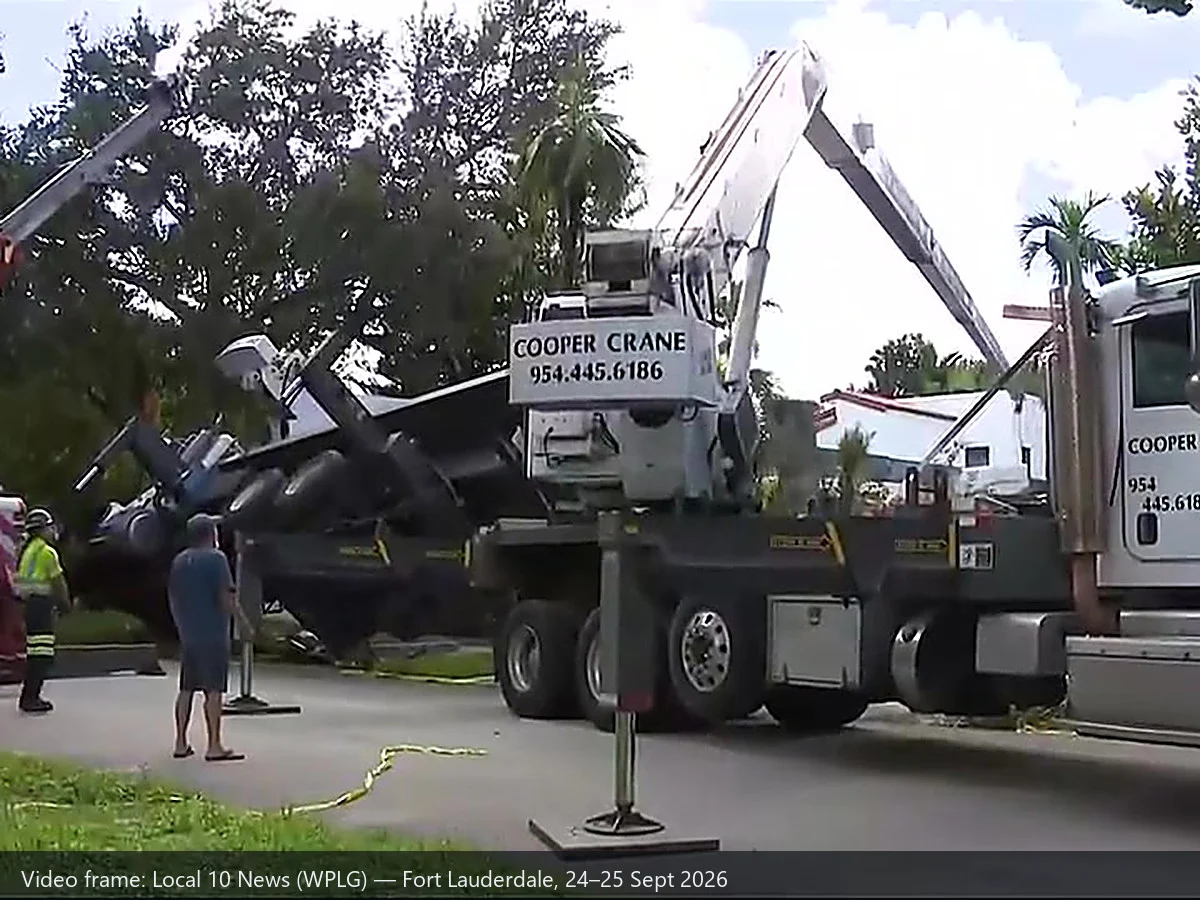
Вступление: Утром в четверг, 24 сентября 2026 года, в районе Рио-Виста города Форт-Лодердейл, штат Флорида, самосвал с краном опрокинулся на дом. Его наняли для того, чтобы поднять на крышу палатку для дезинсекции от термитов. Спустя несколько часов кран, который прибыл, чтобы снять палатку с крыши, также опрокинулся. Никто не пострадал — в доме только что завершился годовой ремонт, и внутри никого не было, — но в итоге на одной крыше оказались два крана, и причины обеих аварий по-прежнему расследуются.
Два случая выхода кранов из строя за один день — событие настолько редкое, что к нему стоит отнестись с особым вниманием по одной конкретной причине: Оба сбоя находятся по разные стороны границы зоны видимости индикатора момента нагрузки. Второй случай — полностью выдвинутая пятисекционная стрела, поднимающая груз, вес которого никто не определил, — полностью попадает в диапазон LMI. Первый случай — провал грунта под нагруженной опорой — находится за пределами этого диапазона и всегда будет за его пределами.
Именно эта граница и является темой данной статьи. Кроме того, это то, что нашей отрасли сложнее всего объяснить, поскольку честное описание этой границы выглядит для аппаратного обеспечения менее выгодно, чем рекламная версия.
1. Что произошло, в хронологическом порядке
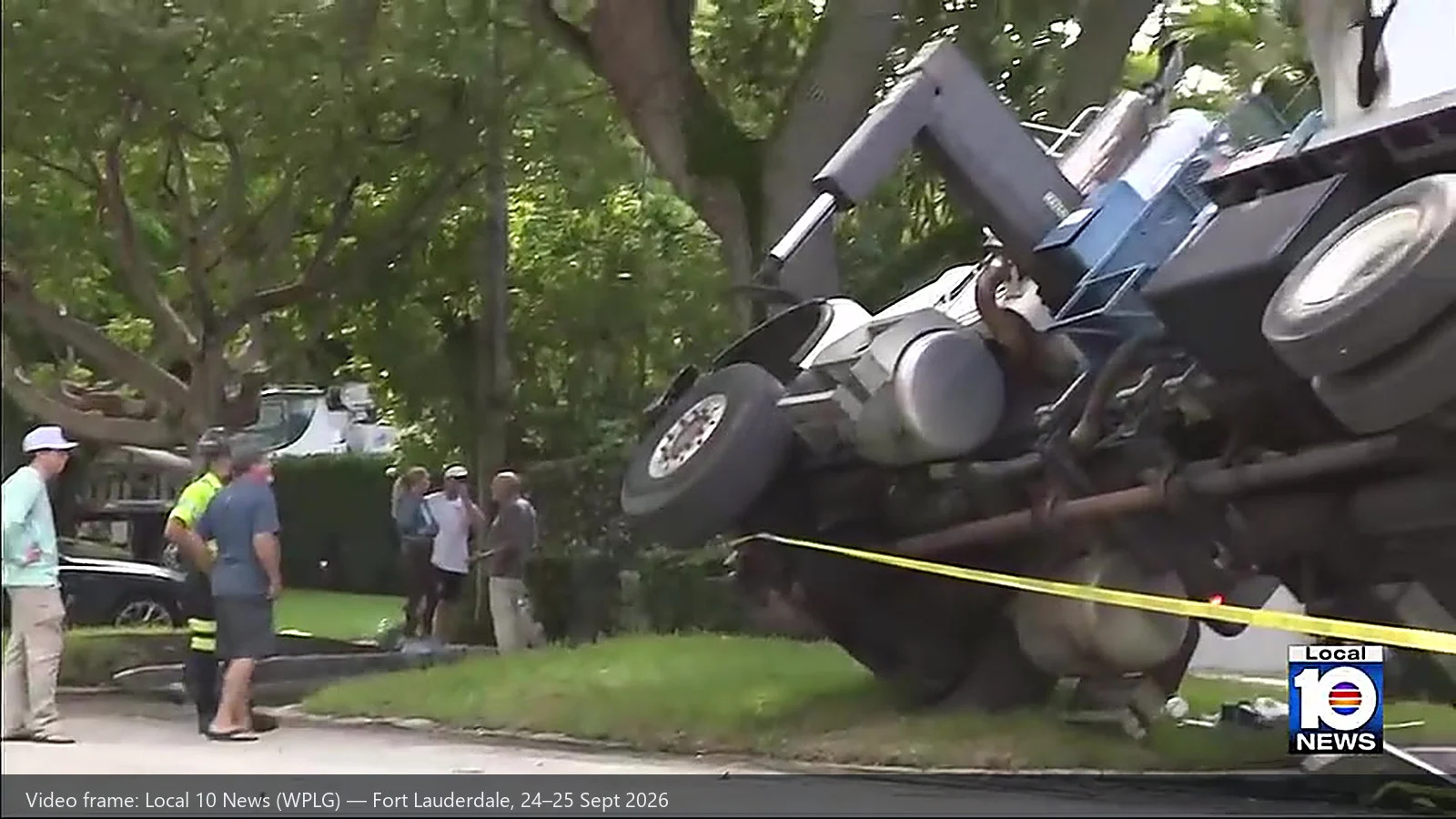
Составлено на основе материалов CBS News Miami, WPLG Local 10, NBC 6 South Florida и специализированного издания в сфере подъемной техники Vertikal.net:
| Пункт | Как сообщалось |
|---|---|
| Дата / время | Четверг, 24 сентября 2026 года. Служба пожарной охраны и спасения Форт-Лодердейла получила первый звонок по номеру 911 примерно в 09:15. |
| Местоположение | Юго-восточная 8-я улица, район Рио-Виста, Форт-Лодердейл, округ Бровард, штат Флорида. Как сообщает телеканал WPLG Local 10, 700-й квартал; Канал NBC 6 со ссылкой на пожарно-спасательную службу Форт-Лодердейла сообщает, что 800-й квартал. Эти две версии расходятся, и в данной статье приводятся обе. |
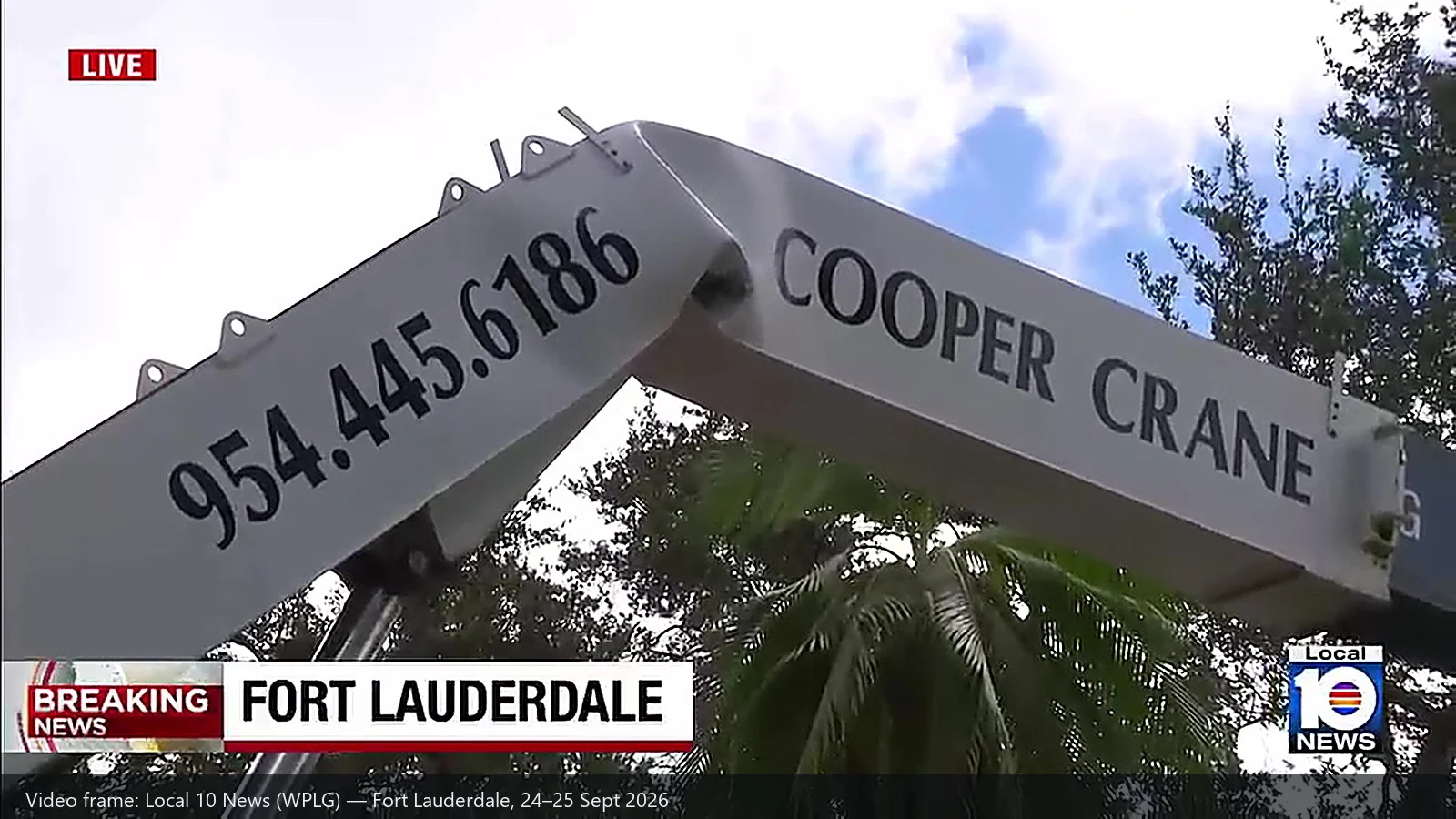
| Оборудование | Автокран (телескопический кран, установленный на грузовике), принадлежащий компании «Cooper Crane», расположенной в Вест-Парке, штат Флорида. Вторая машина была описана как автокран большего размера. |
| Задача | Подрядчик по дезинсекции использовал кран для установки над крышей палатки для фумигации в целях борьбы с термитами — это обычная работа в Южной Флориде. |
| Ошибка 1 | Передняя опора со стороны груза не выдержала нагрузки — возможно, провалившись в пустоту — и грузовик перевернулся. В сообщениях указывалось, что стабилизирующие опоры были вырваны из земли. Стрела обрушилась на крышу и заднюю стенку. |
| Ошибка 2 | Через несколько часов, когда второй, более крупный кран поднимал первый кран, чтобы убрать его, секция основания стрелы этого крана погнулась. Пятисекционная стрела спасательного крана была полностью выдвинута, и подъем осуществлялся с помощью одного троса, закреплённого на стропе, закреплённой на середине стрелы упавшего крана. |
| Травмы | Никого. Дом был пуст; владельцы только что завершили длившийся год ремонт. |
| Ответ | Бригада по ликвидации аварий с опасными веществами, вызванная в связи с утечкой дизельного топлива; инспектор пожарной охраны и городской строительный инспектор; здание было признано небезопасным; на месте происшествия находились инспекторы OSHA, которые беседовали с рабочими. |
| Далее | Работы по ликвидации последствий продолжались до пятницы, 25 сентября: бригады собрали разлитую гидравлическую жидкость и привлекли большой грузовик для демонтажа и вывоза поврежденного оборудования (WPLG Local 10). Компания Cooper Crane привлекла команду специалистов для демонтажа стрел. Компания заявила, что сотрудничает с владельцем объекта, властями и своей страховой компанией, и что не может комментировать детали, пока ведётся расследование. |
Комментарий одного из соседей, процитированный CBS News Miami, сразу же затрагивает суть вопроса: «Если посмотреть на то, как были устроены фундаменты, то видно, что там не использовали опорную площадку, которая была бы достаточно большой, чтобы распределить нагрузку, да и сама нагрузка была не такой уж большой». Оправдается ли это предположение — покажет расследование.
2. Что на самом деле измеряет индикатор нагрузочного момента
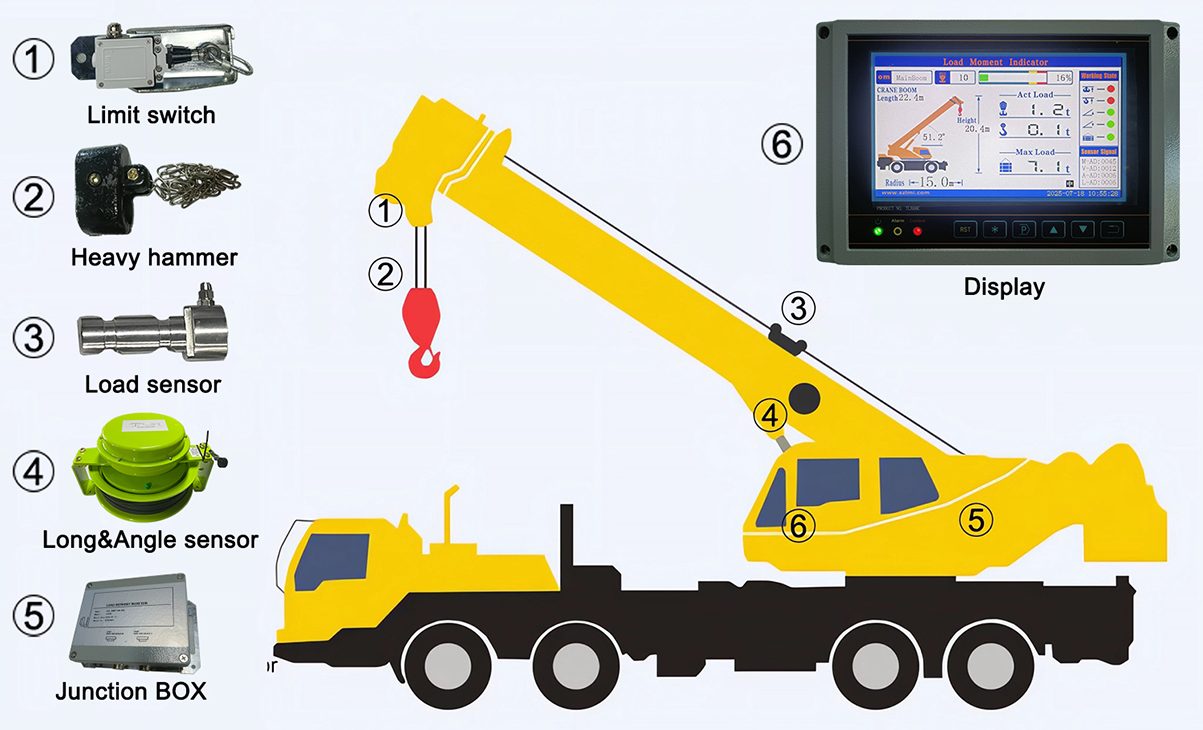
Прежде чем рассмотреть эти два сбоя с разных точек зрения, стоит более точно определить, что представляет собой сам прибор. Индикатор момента нагрузки не «обнаруживает перегрузку» в абстрактном смысле. Он непрерывно выполняет один расчет на основе измеренных входных данных.
Нагрузка × радиус = момент нагрузки. Система сравнивает этот рассчитанный момент с номинальным значением для той конфигурации, в которой, согласно заданным данным, она находится, и принимает меры, когда эти два значения сближаются. Все остальное в системе LMI сводится к этим трём этапам: измерение, расчёт, сравнение — а затем выдача предупреждения или остановка.
| Что подлежит измерению | С чем | Чем это становится |
|---|---|---|
| Усилие в подъемном тросе / на крюковом блоке | Датчик нагрузки (тензодатчик) в рабочем тросе или на конце троса | Фактическая нагрузка — отображается непосредственно в тоннах или фунтах |
| Давление в гидравлическом контуре подъема или наклона | Гидравлический датчик давления | Косвенный способ определения фактической нагрузки в случае отсутствия тензодатчика |
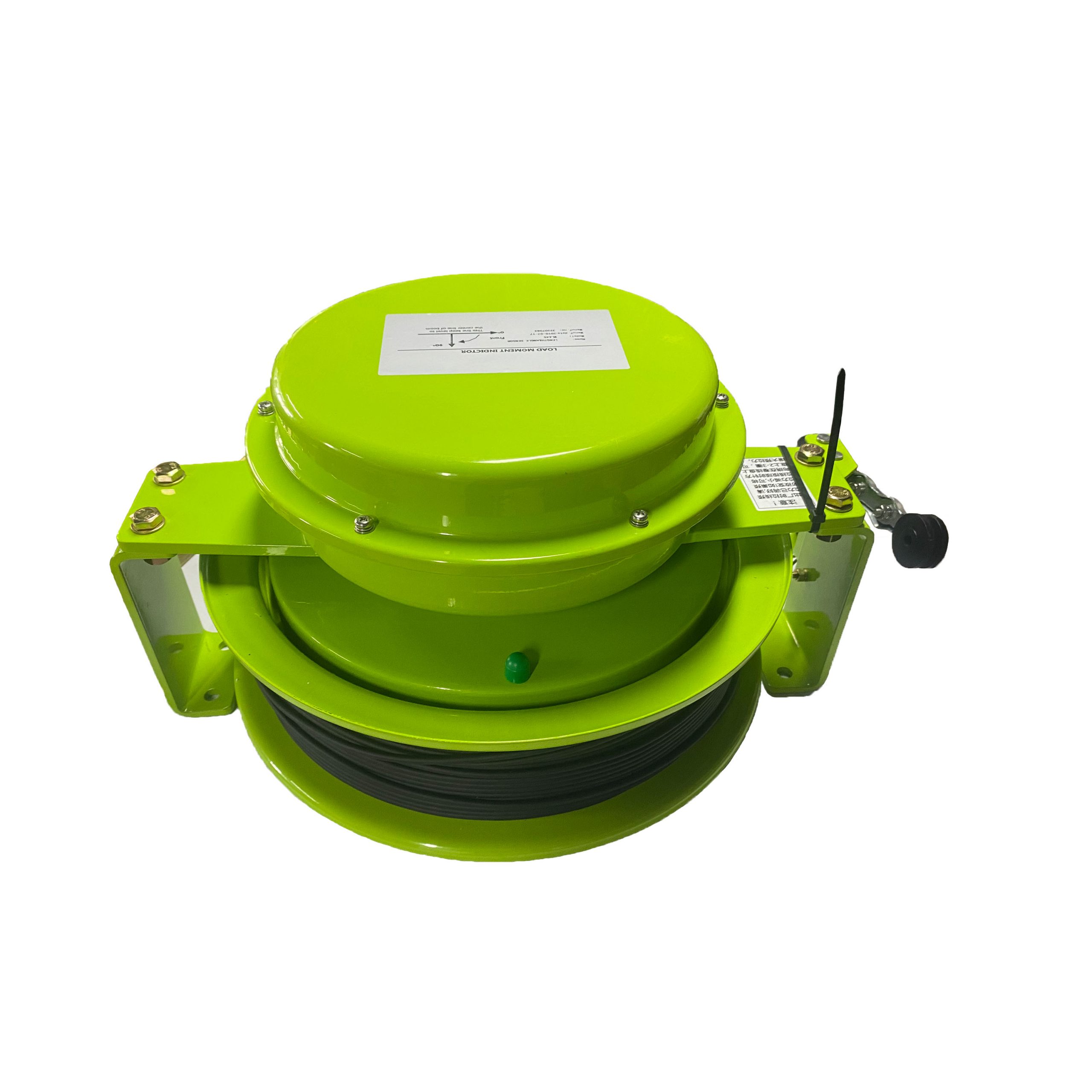
| Длина штанги | Датчик длины на кабельном барабане или энкодер с вытяжным тросом на стреле | Радиус и угол |
| Угол наклона стрелы | Датчик угла на основании стрелы или маятник | Радиус и высота головки |
| Расчетный момент нагрузки | Вытекает из вышесказанного | Процент от номинальной мощности — значение, при достижении которого срабатывают сигнализация и отключение |
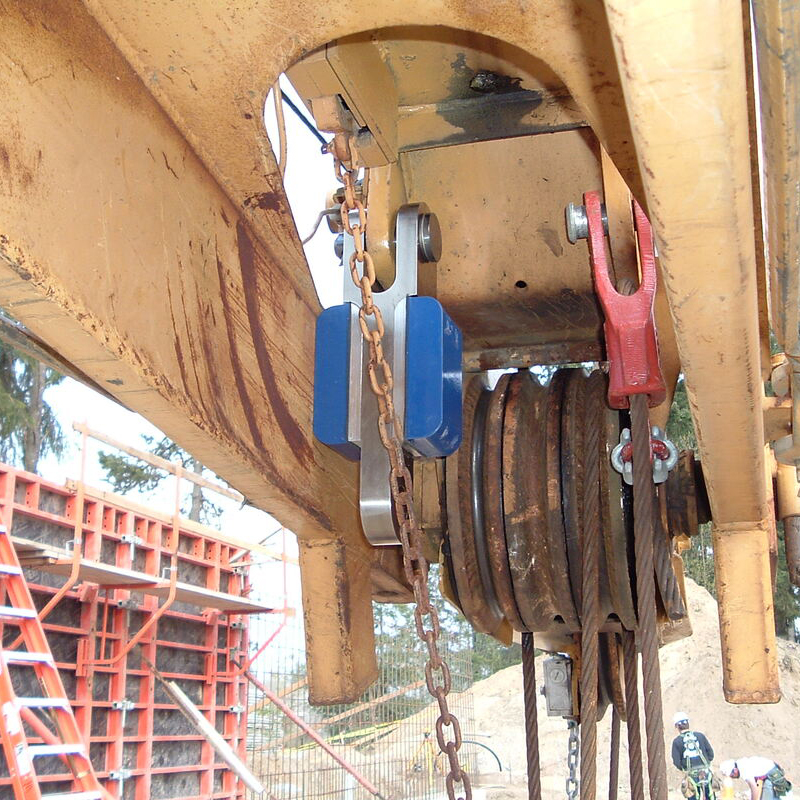
На практике эта архитектура обеспечивает определённый набор функций — и их стоит чётко перечислить, поскольку именно они определяют границы:
- Отображение в режиме реального времени фактической нагрузки, радиуса действия, длины стрелы, угла наклона и процента от номинальной грузоподъемности. Не сигнальная лампочка, а показатель, за которым оператор может внимательно следить.
- Двухступенчатая система оповещения и отключения. Диапазон раннего предупреждения и пороговое значение, при достижении которого система берет управление на себя — как правило, путем остановки движений, увеличивающих момент: подъем, выдвижение телескопической части, опускание передней части паруса.
- Управление конфигурацией. Номинальные значения зависят от конфигурации, в которой, согласно заданным параметрам, находится система: комбинация стрелы, вылет или подвесная стрела, противовес, а также то, выдвинуты ли опоры полностью или частично. Для машины на опорах и той же машины на шинах предусмотрены разные таблицы.
- Регистрация событий, а в более новых системах — телематика. Циклы нагрузки, пиковые значения, а также события, связанные с срабатыванием сигнализации или ручным переключением — всё это фиксируется в журнале, а не теряется. Именно эта функция позволяет превратить оборудование в источник данных после инцидента, вместо того чтобы восстанавливать картину событий по видеозаписям очевидцев.
Каждая из этих функций основана на четырёх допущениях, и именно они определяют, где проходит граница: что машина расположена ровно, что выносные опоры выдерживают нагрузку в соответствии с расчётами, что введённая конфигурация соответствует фактической и что система не была отключена.
3. Неисправность № 2: неисправность, для которой был разработан индикатор момента нагрузки
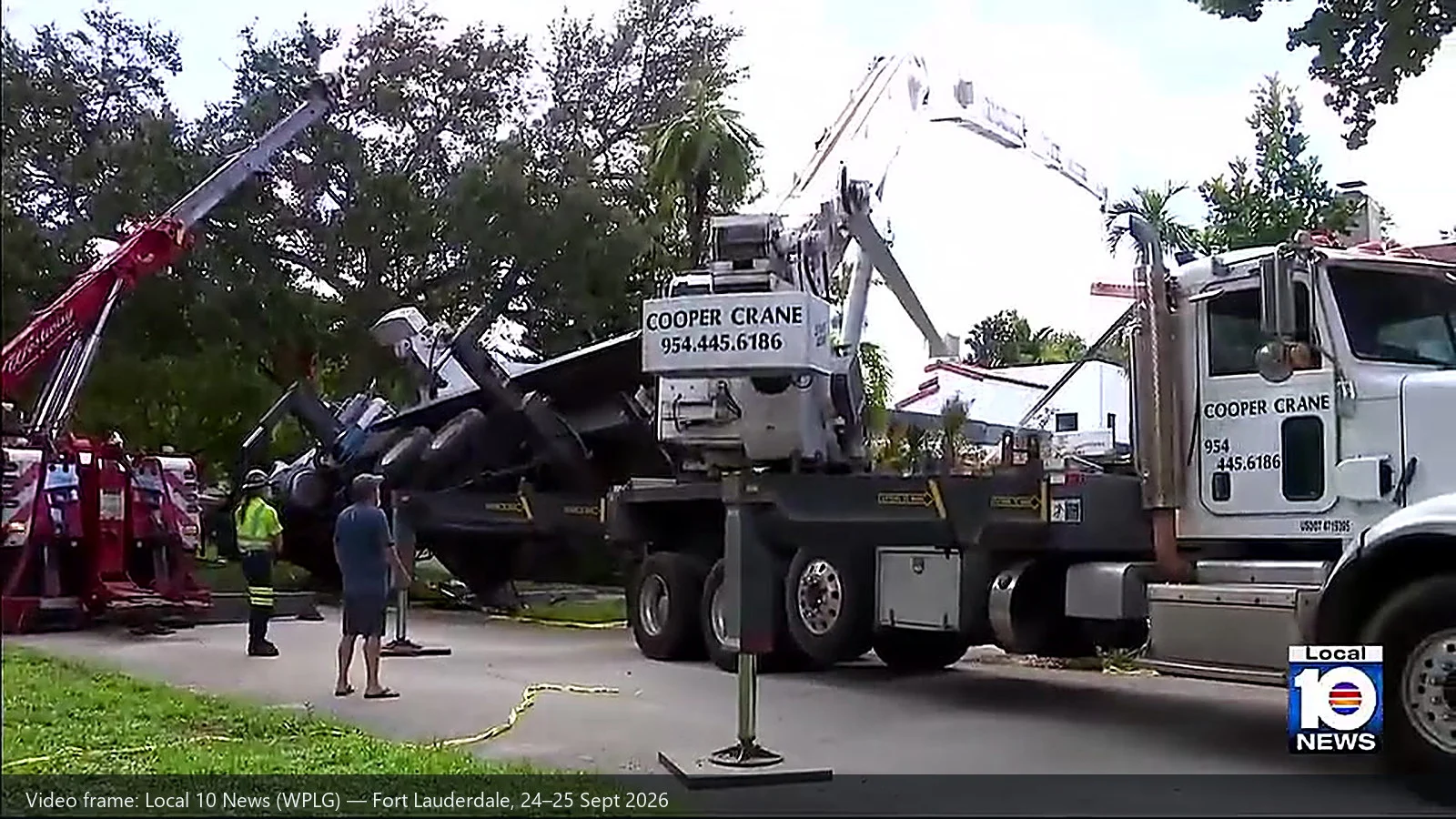
Опрокинувшийся кран кажется чем-то предсказуемым. Его масса задокументирована, и владелец точно знает, какая это модель. В этом и заключается ловушка. Для спасательного крана важна не полная масса упавшей машины, а сила, необходимая для её освобождения и удержания. Эта сила складывается из факторов, которые невозможно определить по заводской табличке: всасывающее усилие грунта и глубина заглубления, конструктивное воздействие здания, на которое он опирается, геометрия строп, а также тот факт, что освобождение может произойти настолько внезапно, что статическая нагрузка превратится в динамическую.
На фоне всех этих четырёх неизвестных LMI предлагает ровно одну вещь — и в данном сценарии именно она имеет решающее значение. Она может взвесить груз, когда он едва оторвался от пола.
Законодательство США не просто разрешает этот метод; оно определяет его как один из двух законных способов. Пункт §1926.1417(o)(3) обязывает оператора убедиться в том, что груз не превышает номинальной грузоподъемности, либо путем определения веса на основании данных из признанного в отрасли источника, либо с помощью расчетного метода до начала подъема, или начав подъем и воспользовавшись устройством для измерения веса груза, Индикатор момента oad, индикатор номинальной мощности или ограничитель номинальной мощности, чтобы определить, превышает ли нагрузка 75 процентов максимальной номинальной грузоподъемности на самом длинном радиусе, который будет использоваться. Если это происходит, лифт должен остановиться до тех пор, пока вес не будет правильно установлен.
— OSHA 29 CFR 1926.1417(k)
Если прочитать эти два положения вместе, инструкция по эксплуатации спасательного подъемника сложится сама собой. Прибор показывает вес на трёхдюймовом крюке; нормативный документ определяет пороговое значение, при достижении которого следует прекратить работу. Кроме того, для настройки системы требуются три вещи, которые не может предоставить ни один прибор: LMI настроенные с учетом фактически используемой стрелы и такелажа (пять секций выпущены, однотросная конфигурация, стропа в середине стрелы — это не та конфигурация, которая демонстрировалась на прошлой неделе), человек, уполномоченный прервать полеты в этот момент, и устройство, способное с самого начала выдавать достоверные показания — разница изложена в нашем сравнении бортовые весоизмерительные системы vs индикаторы нагрузки vs весы для измерения нагрузки.
4. Неисправность № 1: индикатор момента без нагрузки на половине хода подъемника не работает
А теперь посмотрим на другую сторону линии. Над домкратом выносного опорного стойки установлен индикатор нагрузочного момента. Это одно предложение полностью объясняет причину первой неисправности.
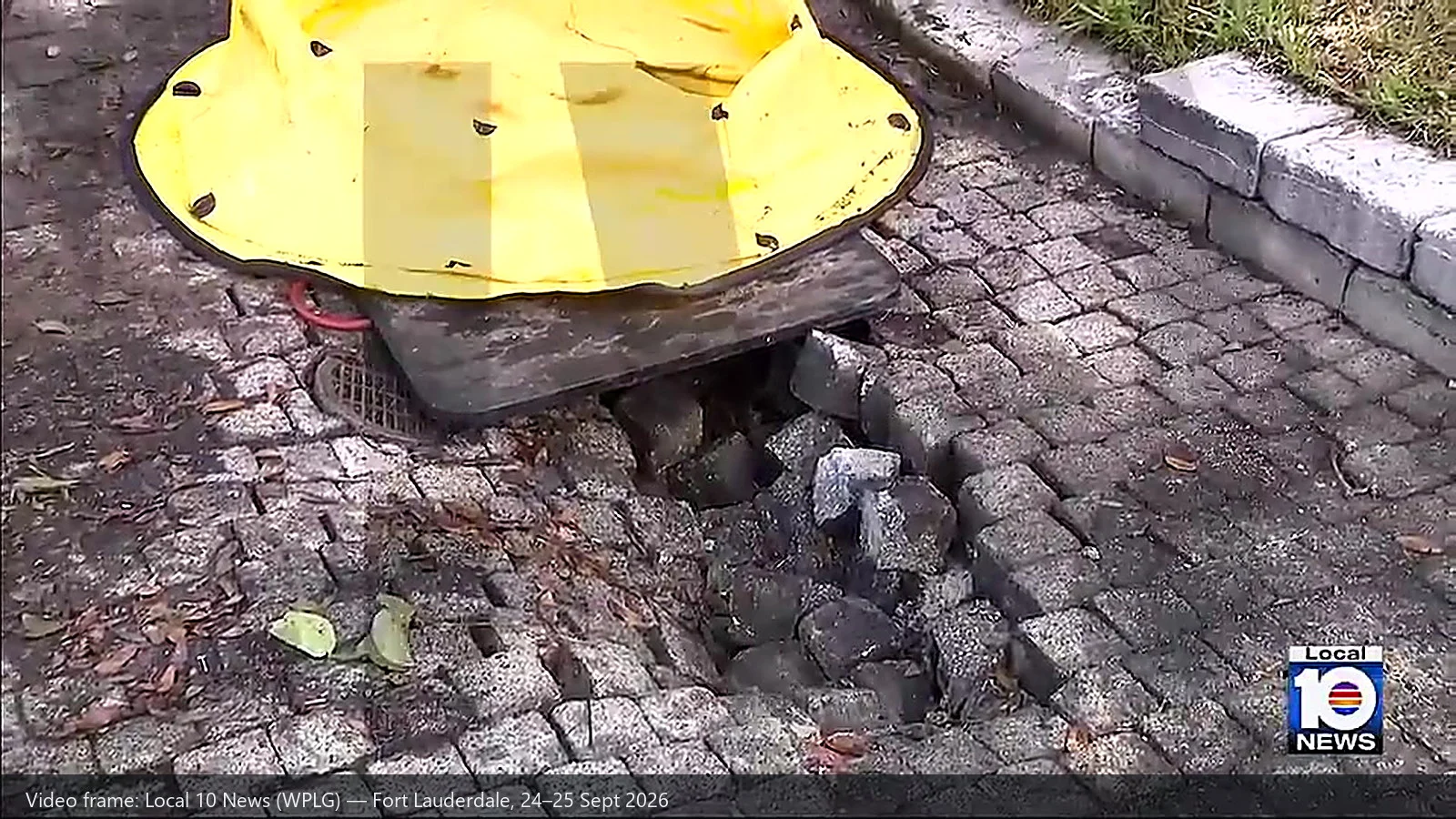
Таблица нагрузок не является характеристикой только самого крана. Каждая указанная в ней номинальная грузоподъёмность основана на трёх допущениях: что машина расположена ровно, что выносные опоры полностью выдвинуты в соответствии с инструкцией и что грунт под каждым поплавком или опорной площадкой выдержит действующую на него реакционную силу. Контроль осуществляется приборами только в отношении первых двух условий. Если опора проседает на три дюйма в незатрамбованный грунт, приборы на кране будут показывать, что подъём проходит в норме, в то время как машина уже начинает опрокидываться. Цепочка измерений, показанная выше, просто не простирается ниже домкрата.
Здесь есть один момент второго порядка, который легко упустить из виду, и именно он связывает эти две неудачи. Реакция аутригера выводится на основе той же геометрии, что и в LMI. Реакция на каждую опору зависит от нагрузки, радиуса, массы машины и её конфигурации — то есть от момента нагрузки. Эти данные приведены в той же таблице нагрузок, и расчёт не представляет собой ничего сложного. Однако система LMI не может проверить лежащее в основе расчёта допущение: что поверхность, принимающая эту реакцию, по-прежнему существует.
Нормативные акты США возлагают ответственность там, где это невозможно сделать с помощью технических средств. OSHA 29 CFR 1926.1402 Условия на местности требует, чтобы оборудование не монтировалось и не использовалось, если условия грунта не являются «уплотненным, осушенным и выровненным в достаточной степени, с тем чтобы в сочетании (при необходимости) с использованием подкладочных материалов были соблюдены технические требования производителя оборудования в отношении надлежащей опоры и степени выравнивания оборудования». В том же разделе предусмотрено, что контролирующая организация обязана:
— OSHA 29 CFR 1926.1402(c)(2)
При проведении работ в жилых домах классические пустоты остаются незаметными: септик, заброшенный резервуар, дренажный водопропуск, засыпанная десять лет назад траншея для прокладки инженерных сетей. Видимая поверхность не даёт никаких предупреждений. Кроме того, §1926.1415(a)(5) требует, чтобы гидравлические опорные домкраты были оснащены встроенным удерживающим устройством или обратным клапаном — это правило касается внезапной потери давления в домкрате, а не грунта под опорой. Когда давление в домкрате может подлежать мониторингу, а датчик гидравлического давления является звеньем цепи, наиболее тесно связанным с тем, выдерживает ли выносная опора нагрузку, — однако оно показывает давление в цилиндре, а не несущую способность грунта.
Ещё один момент, который стоит уточнить: Данный набор правил действительно распространяется на рассматриваемое устройство. OSHA 29 CFR 1926.1400(a) включает в перечень оборудования, подпадающего под действие данного документа, «колесные краны, краны для пересеченной местности, вездеходные краны, краны, установленные на коммерческих грузовиках, и краны с телескопической стрелой». Однако критерии соответствия различаются в зависимости от рынка — о том, как аналогичные требования формулируются в ЕС, Китае и других странах, см. в нашем Сравнение мировых стандартов безопасности кранов на 2026 год (ЕС / США / Китай).
5. Проведенная грань: что охватывает система информации о рынке труда (LMI), а что — нет
Именно в этом вопросе поставщики, в том числе и мы, должны проявлять осторожность. LMI — это прибор для измерения нагрузки и геометрии. Он отлично справляется со своей задачей, но конструктивно не способен выполнять соседнюю. В таблице ниже приведена объективная информация.
| Режим отказа в данном случае | Может ли LMI / RCL это уловить? | Что на самом деле этому мешает |
|---|---|---|
| Перегрузка / избыточный момент на большом радиусе — пять секций выведены из строя, однопутная линия | Да — если он настроен с учетом конкретной стрелы и такелажа, откалиброван и не отключен | Настроены системы LMI/RCL с функциями предварительного предупреждения и отключения, а также с соблюдением графика нагрузки |
| Подъем груза, вес которого никто не определил | Да, в качестве измерительного прибора — система считывает вес во время пробного подъема, и в §1926.1417(o)(3)(ii) этот способ указан в качестве допустимого | По возможности — предварительная оценка перед подъемом, а также задокументированный порог остановки и лицо, уполномоченное применять его |
| Введена неверная конфигурация — комбинация стрелы, противовес, состояние выносных опор | Нет. Система сравнивает результаты с предоставленной ей диаграммой, точно и беспрекословно | Проверка конфигурации перед запуском и системы, регистрирующие изменения конфигурации |
| Отказ опоры на грунте — пробивание опорной плиты в пустоту | Нет. Прибор расположен над разъемом; измерительная цепь заканчивается на цилиндре | Оценка грунта, определение размеров опорных площадок на основе реакции выносных опор, обмен информацией о строительной площадке, наблюдатель, следящий за опорными площадками |
| Боковая загрузка, соприкосновение стрелы с препятствием | Нет. Это ошибки в настройке и планировании, а не ошибки в расчете нагрузки | План подъема, контроль за такелажом, правильная геометрия строп |
| Прибор, который отключен от контура, не откалиброван или неисправен | Не сама по себе — неисправное устройство не передает никакой полезной информации | §1926.1415(b): устройство, не находящееся в исправном состоянии, выводит оборудование из эксплуатации; обходные меры не допускаются |
Сокращения, использованные выше, и соответствующие им стандарты см. в Объяснение терминов LMI, SLI, RCI и RCL с учетом стандартов и технических характеристик; о том, что могут и чего не могут различить сами датчики, см. основные числовые показатели датчиков LMI.
В этом прослеживается определённая закономерность, и именно это предложение стоит запомнить: Приборы защищают станок от нагрузки; люди защищают станок от неправильной настройки. Правильно настроенная система LMI не допустит превышения номинального момента на стреле для данной конфигурации — и будет продолжать передавать нормальные показатели вплоть до приземления, даже если машина стоит на месте, которого уже нет.
6. Контрольный список из восьми пунктов по техническим характеристикам систем LMI для автопарков и производителей оригинального оборудования
Если рассматривать этот случай не как анализ причин инцидента, а как контрольный список для закупки и настройки, то он вызывает восемь вопросов. Первые шесть касаются самого прибора; последние два — людей и документации, связанной с ним.
| # | Вопрос | Почему именно этот случай иллюстрирует это на конкретном примере |
|---|---|---|
| 1 | Система получает сигнал о нагрузке от датчика реальной нагрузки, установленного на рабочем тросе, или вычисляет его на основе гидравлического давления? | Выведенный сигнал подходит для защиты от перегрузки, но является недостаточно сильным для взвешивания с помощью контрольного образца, на которое ссылается §1926.1417(o)(3)(ii). |
| 2 | Длина и угол стрелы измеряются напрямую, а радиус рассчитывается на их основе? | Точность отображения на дисплее значения номинальной мощности зависит от точности геометрических данных, на основе которых оно рассчитывается. |
| 3 | Охватывает ли меню настроек все режимы, в которых машина фактически работает — различные комбинации стрелы, удлинителя, варианты противовеса, полностью или частично выдвинутые опоры, а также работу на шинах? | График с неверной конфигурацией хуже, чем отсутствие отображения, поскольку ему доверяют. |
| 4 | Действует ли этот предохранитель при движениях, приводящих к увеличению момента — подъем, выдвижение, опускание — а не просто запускает сигнал тревоги? | Предупреждение, требующее от оператора принятия мер, — это предупреждение, которое может быть упущено в самый ответственный момент. |
| 5 | Регистрируются ли события «cut-out» и «override» с отметками времени, а также регистрируются ли изменения в конфигурации? | Он преобразует информацию об инциденте, «восстановленную по видеозаписям очевидцев», в удобный для чтения отчет. |
| 6 | Является ли калибровка плановым мероприятием, и знакомы ли лица, выполняющие эту работу, с известными факторами дрейфа и типичными проблемами при установке? | См. Пять распространенных ошибок при калибровке. |
| 7 | Считается ли подъем упавшего оборудования критически важной операцией, требующей проверки груза, составления письменного плана и присутствия на месте компетентного специалиста? | Это подъем с самой высокой дисперсией, который когда-либо пытались выполнить большинство флотов. |
| 8 | Существует ли для мягкого или неизвестного грунта процедура определения размеров опорной площадки на основе данных о реакции выносных опор, приведенных в таблице, а также способ подтвердить, что находится под опорной площадкой? | Единственная часть лифта, которую прибор не может проверить. |
Вопросы 3 и 5 — это те два вопроса, которые чаще всего позволяют отличить установку, соответствующую требованиям, от просто имеющейся. Настройка сводится к Контрольный список ключевых параметров для выбора LMI; ведение журналов и удаленный мониторинг — вот что переход от одночиповых контроллеров к периферийным вычислениям в рамках Интернета вещей сделал их применимыми на практике, и именно этого не хватает в подобной ситуации. Чтобы получить общее представление о том, насколько целесообразно данное усовершенствование, см. почему система LMI — это наиболее разумное решение для модернизации автокрана, а также в связи с тем различием, которое ставит в тупик многих участников тендера, LMI и ограничители нагрузки.
Какую роль играет SeeZol
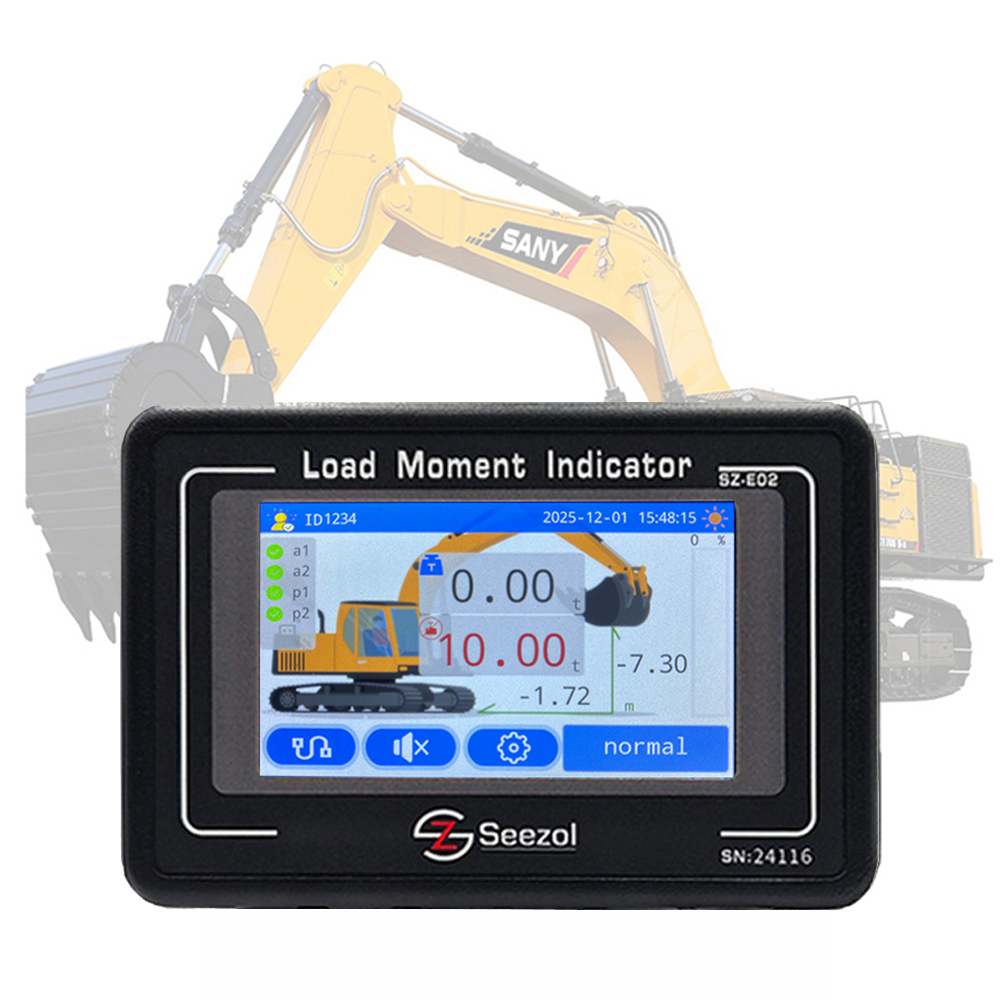
Компания SeeZol производит индикаторы момента нагрузки, ограничители номинальной грузоподъёмности и бортовые весоизмерительные системы для автокранов, кранов с шарнирно-сочлененной стрелой, гусеничных кранов, судовых кранов и погрузочно-разгрузочных машин. Типичная система состоит из датчика нагрузки на рабочем тросе, датчика длины и угла настрела стрелы, распределительной коробки и дисплея в кабине, на котором отображаются фактическая нагрузка, радиус действия, длина стрелы, угол настрела и процент от номинальной грузоподъемности, а также предусмотрены функции предварительного предупреждения, отключения и регистрации событий. Системы также могут комплектоваться датчиками гидравлического давления в тех случаях, когда установка тензодатчика невозможна, бортовыми весоизмерительными системами для машин, которым необходимо регистрировать перевезенный груз, а также телематическими модулями, если автопарку требуются данные с машины.
Начните со страниц товаров: Мобильный кран LMI, Кран с шарнирно-сочлененной стрелой LMI, ограничитель безопасной нагрузки для крана, датчик гидравлического давления — или Сообщите нам модель вашей машины и конфигурацию стрелы и наши инженеры предоставят вам предложение по цепочке датчиков и списку конфигураций, как правило, в течение 24 часов.
Источники
- Vertikal.net, Отказ двух кранов, 25 сентября 2026 г. (включает видео с филиала CBS, на котором запечатлена вторая неудача) — ссылка
- CBS News, Майами, В пятницу бригады занимаются демонтажем двух кранов, обрушившихся на крышу здания в Форт-Лодердейле, а соседи задаются вопросом, что же произошло - ссылка
- CBS News, Майами, На видео запечатлено, как второй кран обрушился на крышу дома в Форт-Лодердейле; о пострадавших не сообщается - ссылка
- WPLG Local 10, Кран упал на дом в Форт-Лодердейле после того, как грузовик с подъемной стрелой опрокинулся, 24 сентября 2026 г. (источник фотографий с места происшествия) — ссылка
- WPLG Local 10, Продолжаются работы по уборке обломков после падения двух кранов в одном из районов Форт-Лодердейла; компания дала комментарий, 25 сентября 2026 г. (заявление компании «Cooper Crane», участие OSHA; источник фотографий с места происшествия) — ссылка
- NBC 6 Южная Флорида, В Форт-Лодердейле второй кран упал на дом при попытке демонтировать первый - ссылка
- OSHA, 29 CFR 1926.1400 Область применения — подтверждая, что автокраны подпадают под действие подраздела CC — ссылка
- OSHA, 29 CFR 1926.1402 Условия на местности - ссылка
- OSHA, 29 CFR 1926.1415 Устройства безопасности - ссылка
- OSHA, 29 CFR 1926.1417 Работа - ссылка
- SeeZol, техническая информация: Объяснение терминов LMI / SLI / RCI / RCL, основные числовые показатели основных датчиков, Контрольный список параметров выбора LMI, Принципы и состав LMI, бортовые весоизмерительные системы vs индикаторы нагрузки vs весы для измерения нагрузки, анализ данных основного датчика
- SeeZol, обеспечение соответствия и приложения: Почему индикатор момента нагрузки — это самое разумное усовершенствование для вашего автокрана; 5 распространенных ошибок при калибровке LMI; LMI и ограничители нагрузки; Соответствие требованиям ЕС по безопасности кранов в 2026 году; Как выбрать LMI для вашего станка