1. Introduction
1.1 Contexte de la recherche
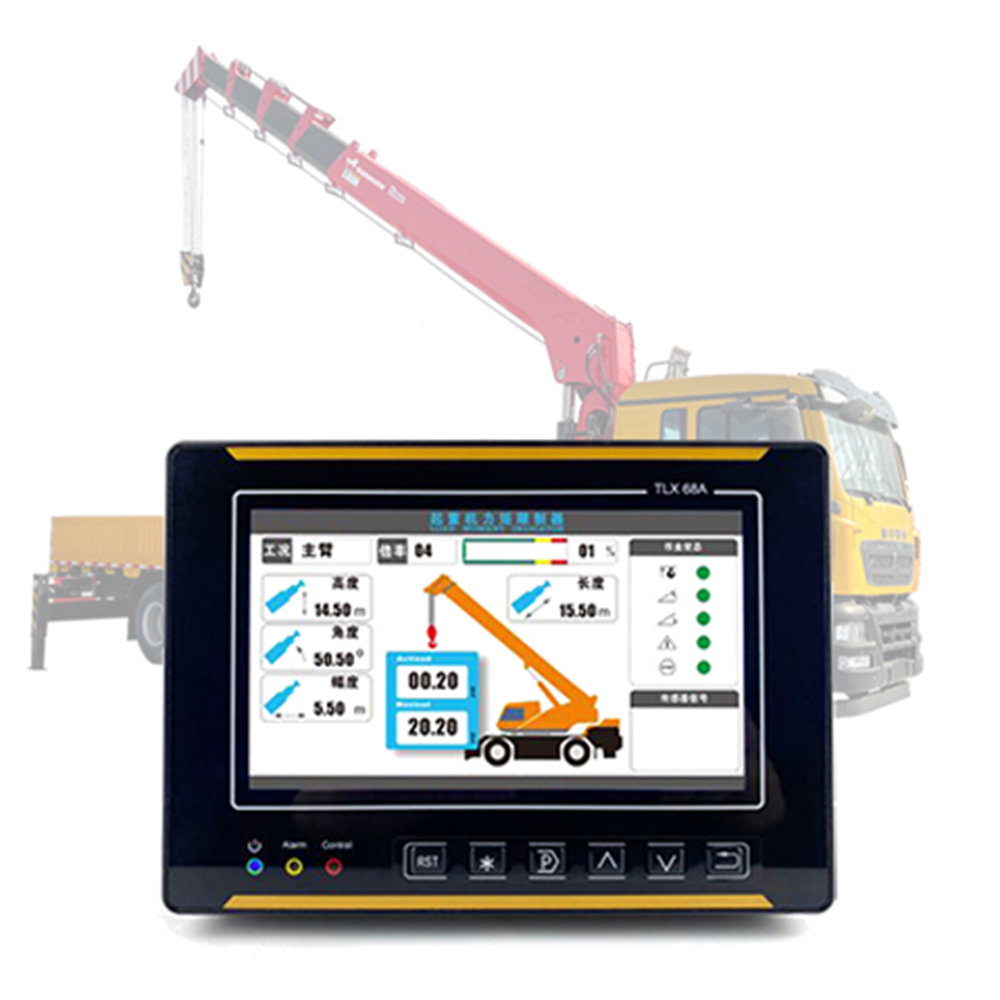
Dans le secteur des engins lourds, les grues constituent un équipement essentiel et jouent un rôle irremplaçable dans de nombreux projets d'ingénierie de grande envergure. Leurs capacités de levage, à la fois très efficaces et précises, améliorent considérablement l'efficacité des chantiers et contribuent de manière cruciale au bon déroulement de la production architecturale et industrielle moderne. Cependant, à mesure que l'échelle des projets s'accroît et que les exigences techniques se durcissent, la sécurité des opérations de levage devient primordiale. En tant que dispositifs de sécurité essentiels pour les grues, les indicateurs de moment de charge (LMI) et les indicateurs de charge admissible (SLI) garantissent le fonctionnement de l'équipement dans les limites de sécurité définies par le constructeur, en surveillant en permanence des paramètres critiques tels que l'angle et la longueur de la flèche, ainsi que le poids de la charge. Ceci permet de prévenir efficacement les accidents dus à la surcharge ou à une mauvaise utilisation. Néanmoins, l'intensification du changement climatique mondial pose des défis sans précédent à ces dispositifs de sécurité de précision. Des déserts brûlants aux champs de glace glacés, des environnements marins à forte salinité aux sites industriels soumis à de fortes interférences électromagnétiques, les scénarios extrêmes auxquels sont confrontées les grues se diversifient et exigent une fiabilité et une stabilité accrues de leurs dispositifs de sécurité.
1.2 Énoncé du problème
Bien que l'importance de Indicateurs de moment de charge et indicateurs de charge admissible Bien que l'impact des facteurs environnementaux sur la précision des systèmes de levage soit largement reconnu, les opérateurs restent insuffisamment sensibilisés à cette dégradation. Les recherches existantes indiquent que les fluctuations extrêmes de température, les variations d'humidité, la corrosion par embruns salins et les interférences électromagnétiques, dans des conditions climatiques extrêmes, peuvent affecter significativement les performances des dispositifs de sécurité. Cependant, les études actuelles se concentrent principalement sur l'analyse de facteurs environnementaux isolés, sans proposer d'analyse systématique fondée sur les données climatiques mondiales les plus récentes et les principes de la physique de l'ingénierie. De plus, les recherches sur les effets combinés de multiples facteurs dans des environnements industriels complexes sont extrêmement rares, ce qui limite les stratégies de protection existantes face à des scénarios extrêmes. Par conséquent, une exploration approfondie des mécanismes d'impact des climats extrêmes sur les indicateurs de moment de charge et les indicateurs de charge admissible, ainsi que la proposition de stratégies de protection ciblées, constituent un enjeu crucial nécessitant une résolution immédiate.
1.3 Objectifs de la recherche
Cet article vise à fournir un appui théorique et des conseils pratiques pour la sécurité d'exploitation des grues en environnements complexes, grâce à une analyse approfondie de l'impact des climats extrêmes et d'autres facteurs sur la précision des indicateurs de moment de charge et des indicateurs de charge admissible. Plus précisément, cette étude combine les données climatiques mondiales les plus récentes avec les principes de la physique de l'ingénierie afin d'analyser systématiquement les mécanismes d'impact de divers facteurs environnementaux – notamment les chocs thermiques, le rayonnement optique, le froid extrême, les embruns salins, les interférences électromagnétiques et les vibrations mécaniques – sur les dispositifs de sécurité. Sur cette base, des stratégies de protection professionnelles fondées sur les données sont proposées, incluant l'optimisation du choix du matériel, des mesures d'isolation physique, des améliorations des matériaux et des traitements de blindage et de filtration, afin d'améliorer globalement l'adaptabilité et la fiabilité des dispositifs de sécurité en environnements extrêmes. Les résultats attendus de cette recherche fourniront non seulement une base scientifique pour la sécurité d'exploitation des grues, mais jetteront également les bases de l'innovation et du développement technologiques dans les domaines connexes.
2. Revue de la littérature
2.1 Fondements théoriques
Dispositifs de sécurité essentiels pour les grues, les indicateurs de moment de charge (LMI) et les indicateurs de charge admissible (SLI) sont conçus à partir de capteurs de précision et de systèmes de commande par microprocesseur. Le système SLI connecte différents capteurs (capteurs de force, capteurs d'angle et de longueur) afin de mesurer en temps réel les paramètres de fonctionnement de la flèche et de les comparer aux abaques de charge du constructeur pour garantir le fonctionnement de l'équipement dans les limites de sécurité. Ce processus repose sur le principe de fonctionnement des jauges de contrainte métalliques, qui permettent une mesure précise du poids de la charge en détectant les déformations infimes du corps élastique sous contrainte et en générant les signaux électriques correspondants. De plus, l'indicateur de moment de charge calcule si le moment en cours dépasse la plage nominale en intégrant des algorithmes qui analysent la relation entre l'angle et la longueur de la flèche, ainsi que le poids de la charge. Ces dispositifs respectent les principes de la mécanique classique et de la physique appliquée, fournissant ainsi une base théorique pour la sécurité d'utilisation des grues.
2.2 Progrès de la recherche nationale et internationale
Ces dernières années, des chercheurs nationaux et internationaux ont réalisé des progrès significatifs dans l'étude des performances des dispositifs de sécurité des grues face aux influences environnementales. Dans des conditions climatiques extrêmes, les recherches se sont principalement concentrées sur l'impact des températures élevées, des températures basses, de l'humidité élevée et des fortes interférences électromagnétiques sur les performances des équipements. Par exemple, certaines études ont exploré les facteurs de risque lors des inspections de grues, proposant des méthodes d'analyse complète des risques d'ordre humain, mécanique et environnemental, tout en soulignant l'importance d'une maintenance régulière et du renforcement des dispositifs de sécurité. D'autres études ont porté sur les grues opérant en extérieur, analysant l'impact du climat et des précipitations sur la sécurité opérationnelle et proposant des mesures préventives ciblées. De plus, certaines publications ont approfondi l'identification et le contrôle des facteurs de risque lors des inspections de grues à l'ère du numérique, dans le but d'améliorer les performances et la sécurité globales des équipements. Cependant, les recherches existantes se concentrent principalement sur des stratégies d'adaptation à des facteurs isolés ou à des conditions environnementales localisées, sans aborder de manière exhaustive les effets combinés de plusieurs facteurs.
2.3 Lacunes de la recherche
Bien que les recherches existantes aient permis d'obtenir certains résultats concernant l'adaptabilité environnementale des dispositifs de sécurité des grues, d'importantes lacunes subsistent. Premièrement, la littérature actuelle analyse rarement en profondeur les événements météorologiques extrêmes à partir des données climatiques mondiales les plus récentes, et notamment sans révéler les mécanismes d'érosion des facteurs environnementaux sur la précision des indicateurs de moment de charge et des indicateurs de charge admissible à l'échelle microscopique. Deuxièmement, les stratégies de protection existantes se limitent généralement à des mises à niveau matérielles ou à de simples mesures de maintenance, sans proposer de conceptions de protection environnementale globales et systématiques. Par exemple, si certaines publications soulignent l'importance du choix des matériaux et des traitements anticorrosion, elles ne proposent pas d'indicateurs de protection quantifiés associés à des données climatiques spécifiques. De plus, les recherches sur les effets combinés de multiples facteurs dans des secteurs industriels complexes sont rares, ce qui rend difficile le respect des exigences de sécurité d'exploitation des grues modernes dans divers scénarios extrêmes. Cet article vise à combler ces lacunes en combinant les données climatiques les plus récentes aux principes de la physique de l'ingénieur afin de proposer une stratégie de protection complète, améliorant ainsi la fiabilité et la stabilité des dispositifs de sécurité des grues dans des conditions climatiques extrêmes.
3. Impact des chocs thermiques et des rayonnements optiques et protections correspondantes
3.1 Contexte climatique
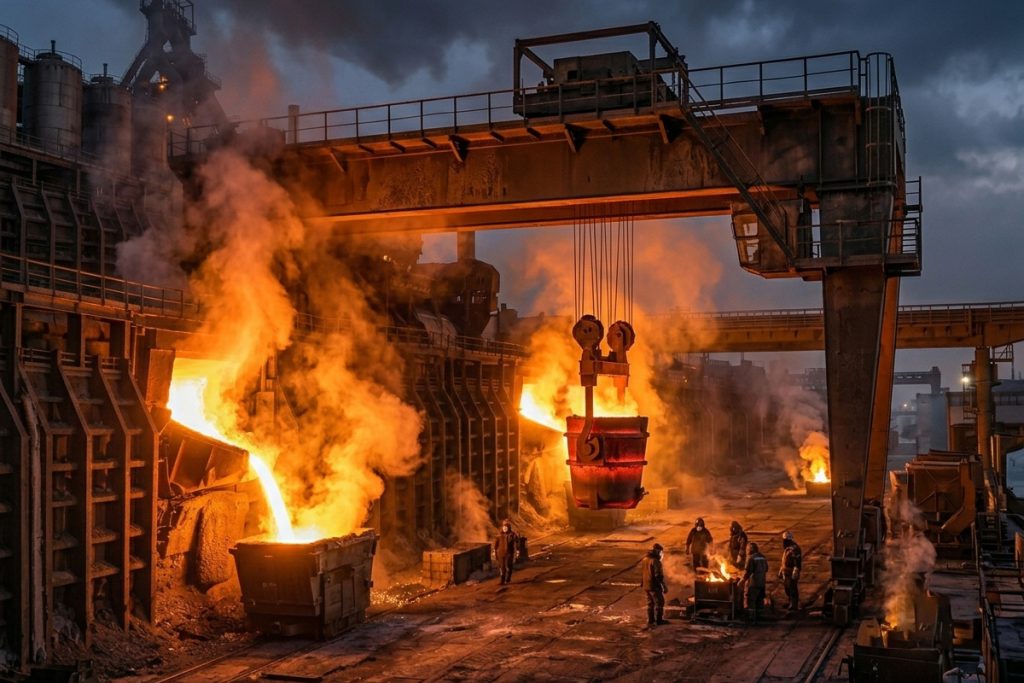
Face à l'intensification continue du réchauffement climatique, les grues opérant en extérieur sont confrontées à un défi sans précédent : l'augmentation des températures de référence. Selon le rapport « Points saillants du climat mondial 2025 » publié par le service Copernicus sur le changement climatique, 2025 est devenue la troisième année la plus chaude jamais enregistrée, avec une température moyenne mondiale à la surface de la Terre supérieure d'environ 1,40 °C à 1,47 °C aux niveaux préindustriels. Cette hausse significative des températures représente une menace potentielle pour la sécurité des grues, notamment en été, lorsque la température de surface des structures métalliques ferreuses peut facilement dépasser 60 °C, tandis que les températures nocturnes peuvent chuter en dessous de 20 °C, engendrant d'importantes variations de température entre le jour et la nuit. Ces chocs thermiques extrêmes affectent non seulement les propriétés mécaniques des équipements, mais imposent également des exigences accrues aux systèmes électroniques de précision. De plus, une exposition prolongée à un rayonnement optique intense accélère le vieillissement et la défaillance des revêtements externes et des matériaux d'étanchéité en raison de la dégradation par les ultraviolets (UV), aggravant ainsi les risques opérationnels dans des conditions climatiques extrêmes.
3.2 Mécanismes physiques
La dilatation thermique est l'un des principaux mécanismes physiques à l'origine de la dérive du point zéro des capteurs de force. Dans des environnements soumis à des variations de température importantes, le coefficient de dilatation thermique des matériaux métalliques détermine l'ampleur de la variation de la stabilité dimensionnelle. Pour les capteurs de force standard, le corps élastique subit une déformation infime sous l'effet de la dilatation thermique, ce qui entraîne une dérive du point zéro du signal de sortie. Des études indiquent que, sans mesures de compensation avancées, le coefficient de dérive thermique des capteurs standard est d’environ 0,021 TP4T F.S./10 ℃. Dans des conditions de fonctionnement extrêmes, avec un écart de température diurne de 40 ℃, cette dérive peut entraîner une erreur de mesure de près de 0,11 TP4T. Lors d’opérations de levage à pleine charge, cette erreur est suffisante pour provoquer des accidents liés à la sécurité. Par ailleurs, l’effet de vieillissement des environnements à haute température sur les composants électroniques internes des indicateurs de charge de sécurité ne peut être ignoré. Selon la « règle des 10 degrés », la durée de vie des composants critiques tels que les condensateurs électrolytiques diminue considérablement à mesure que la température augmente ; pour chaque augmentation de 10 ℃, leur durée de vie est réduite de moitié. De plus, les écrans LCD des indicateurs de moment de charge peuvent présenter des « écrans noirs » ou des réponses lentes à des températures élevées, ce qui nuit gravement à la surveillance en temps réel de l’état de l’équipement par les opérateurs
3.3 Stratégies de protection
Pour relever les défis multiples posés par les chocs thermiques et le rayonnement optique, des mesures de protection complètes doivent être mises en œuvre, tant au niveau du choix des composants que de l'isolation physique. Concernant le choix des composants, il convient de privilégier les composants industriels à large plage de températures afin de garantir leur fonctionnement de -40 °C à +85 °C et de répondre aux exigences de performance dans des conditions climatiques extrêmes. Parallèlement, les capteurs doivent intégrer une compensation numérique sur toute la plage de températures, utilisant des algorithmes intégrés pour corriger en temps réel la dérive thermique et maintenir ainsi les erreurs de mesure dans des limites acceptables. Concernant l'isolation physique, il est recommandé d'installer des revêtements isolants thermiques réfléchissants sur l'unité principale de l'indicateur de moment de charge et sur les boîtes de jonction. Ce dispositif permet de réduire efficacement la température interne de 5 à 10 °C, ralentissant considérablement le vieillissement des composants électroniques. De plus, le préchauffage après la mise en service de l'équipement est tout aussi crucial. Un préchauffage de 10 à 15 minutes, permettant à l'équipement interne d'atteindre l'équilibre thermique avant une opération de mise à zéro à vide, permet d'éliminer efficacement la dérive du point zéro due aux fluctuations de température. Des cas concrets démontrent que ces mesures ont permis d'obtenir des résultats remarquables sur les grues portuaires de grande envergure, améliorant la stabilité opérationnelle dans les environnements à haute température de plus de 30 % et réduisant les taux de défaillance de 25 %.
4. Impact du froid extrême et effets respiratoires et protections correspondantes
4.1 Contexte climatique
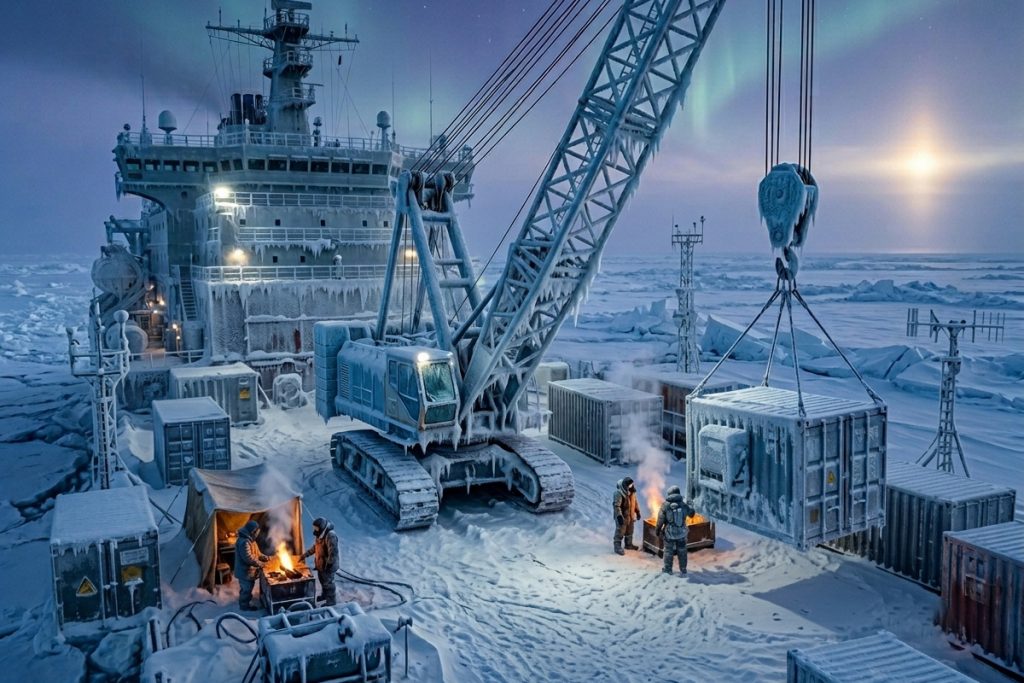
Face à la multiplication des phénomènes météorologiques extrêmes liés au changement climatique, la sécurité d'exploitation des grues en environnements extrêmement froids est fortement compromise. En 2025, sous l'influence d'une circulation atmosphérique anormale et de la progression vers le sud du vortex polaire, les régions de latitude moyenne ont connu de multiples épisodes de froid extrême, avec des températures nocturnes descendant sous les -30 °C dans certaines zones, accompagnées de fortes variations diurnes. Par exemple, dans certaines zones intérieures, les températures diurnes ont pu atteindre 5 °C, tandis que les températures nocturnes ont chuté en dessous de -20 °C. De telles variations de température extrêmes affectent considérablement le fonctionnement des dispositifs de sécurité des grues. De plus, le froid extrême s'accompagne souvent de vents violents et de chutes de neige, ce qui accroît encore les contraintes opérationnelles sur les équipements en environnements froids. Des études montrent que les basses températures affectent non seulement la stabilité des composants électroniques, mais aussi les propriétés des matériaux des structures mécaniques, menaçant ainsi le fonctionnement normal des indicateurs de moment de charge et des indicateurs de charge admissible.
4.2 Mécanismes physiques
Dans les environnements extrêmement froids, la fragilisation des matériaux par le froid et le phénomène de « respiration » sont les principaux mécanismes physiques à l'origine des défaillances des dispositifs de sécurité des grues. Premièrement, les joints en caoutchouc et les boîtiers en plastique standard durcissent et deviennent cassants à basse température, perdant leur élasticité et entraînant une perte de l'indice de protection (IP). Par exemple, lorsque les bagues d'étanchéité se fissurent sous l'effet de la fragilisation par le froid, l'humidité extérieure pénètre facilement dans l'équipement, provoquant des courts-circuits ou de la corrosion. Deuxièmement, le phénomène de « respiration » est une autre cause fréquente de défaillance. En raison des variations importantes de température entre le jour et la nuit, le volume d'air à l'intérieur de l'équipement se dilate ou se contracte, créant un phénomène de « respiration ». Lorsque l'équipement refroidit, l'humidité extérieure est aspirée ; lorsqu'il se réchauffe, l'humidité se condense en gouttelettes d'eau sur le circuit imprimé (PCB). En présence d'embruns salés ou de poussière, ces gouttelettes d'eau se transforment en liquides conducteurs, provoquant des micro-courts-circuits et des lectures anormales de l'indicateur de moment de charge. Un port du nord a signalé un cas similaire où sa grue affichait fréquemment des défauts d'indicateur de moment de charge pendant l'hiver. Lors du démontage, il a été constaté que les broches du connecteur aéronautique à l'intérieur du boîtier de jonction présentaient un mauvais contact en raison de la condensation, ce qui entraînait une baisse significative des performances de l'équipement.
4.3 Stratégies de protection
Pour atténuer l'impact du froid extrême et de l'effet de respiration sur les dispositifs de sécurité des grues, des mesures de protection doivent être mises en œuvre, tant au niveau des matériaux que de la conception structurelle. Premièrement, concernant le choix des matériaux, il convient d'utiliser des joints d'étanchéité en caoutchouc silicone ou en caoutchouc fluoré en remplacement des composants en caoutchouc standard afin d'améliorer la résistance aux basses températures. Parallèlement, les gaines des câbles doivent être fabriquées dans des matériaux spéciaux anti-fissuration et résistants aux basses températures pour garantir une bonne flexibilité et une isolation optimale par grand froid. Deuxièmement, concernant la conception structurelle, il est recommandé d'installer des clapets de ventilation étanches (bouchons d'aération) sur les boîtes de jonction afin de prévenir efficacement les infiltrations d'humidité dues à l'effet de respiration, en équilibrant la pression d'air interne et externe. L'expérience a démontré que cette mesure permet de réduire significativement l'humidité interne des équipements et d'éviter la condensation. De plus, l'étanchéité des équipements doit être régulièrement contrôlée et les composants critiques doivent être renforcés avant l'arrivée de conditions météorologiques extrêmes. Par exemple, une grande entreprise minière a résolu avec succès les problèmes de micro-courts-circuits causés par l'effet de respiration en installant des clapets de ventilation étanches sur les boîtes de jonction de la grue et en les remplaçant par des joints d'étanchéité en caoutchouc fluoré, ce qui a considérablement amélioré la stabilité des équipements. Cette expérience peut servir de référence dans des situations similaires.
5. Impact des embruns salins et de la corrosion chimique et protections correspondantes
5.1 Contexte environnemental
Les vagues de chaleur marines et les climats à forte humidité constituent des menaces importantes pour le fonctionnement des équipements industriels dans les zones côtières. En particulier pour les dispositifs de sécurité des engins lourds tels que les grues, les embruns salés et la corrosion chimique sont des facteurs environnementaux à ne pas négliger. Des études indiquent que pour chaque augmentation de 1 °C de la température mondiale, la capacité de l'atmosphère à contenir de l'eau augmente d'environ 7 %, ce qui entraîne une hausse continue de l'humidité de l'air dans les zones côtières, accompagnée de dépôts salins importants. Ce phénomène est particulièrement marqué en été. Lorsque la température de la surface de la mer augmente anormalement, l'évaporation de l'eau s'intensifie, formant des aérosols à forte concentration saline qui se diffusent et se déposent sur les surfaces des équipements par le biais des courants d'air. De plus, certaines zones industrielles, comme les ports et les docks, présentent des concentrations d'embruns salés bien supérieures à celles d'autres zones en raison d'une exposition prolongée aux embruns marins. Selon la littérature scientifique, le taux de dépôt de sel sur les surfaces des grues à moins d'un kilomètre du littoral peut atteindre plusieurs milligrammes par mètre carré et par mois, une concentration suffisante pour provoquer une corrosion importante des composants électroniques et des structures métalliques. Par conséquent, l'étude des caractéristiques de tels environnements et de leur impact sur les indicateurs de moment de charge et les indicateurs de charge admissible est une condition préalable essentielle pour garantir le fonctionnement sûr des grues dans des climats extrêmes.
5.2 Mécanismes physiques
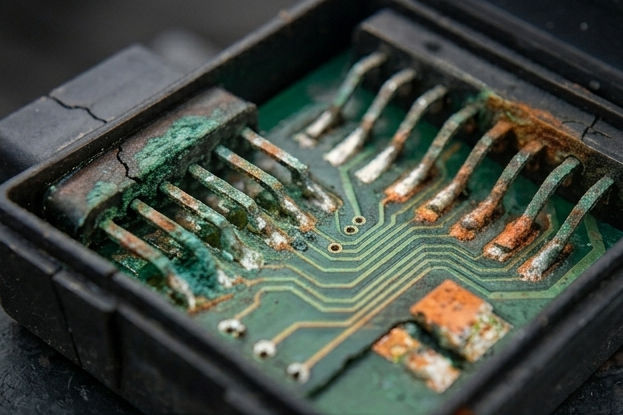
Une fois que le brouillard salin s'est déposé sur les circuits imprimés et les connecteurs des indicateurs de moment de charge et des indicateurs de charge sûre, il affecte considérablement les performances de l'équipement par le biais d'une série de processus physico-chimiques. Premièrement, les particules de chlorure de sodium présentes dans le brouillard salin forment des cristaux de sel dans des conditions sèches. Lorsqu’ils sont exposés à l’humidité, ces cristaux se dissolvent et forment des solutions électrolytiques hautement conductrices. Cette solution électrolytique accélère non seulement la corrosion électrochimique des broches métalliques, mais forme également des « chemins de fuite » entre les traces de précision sur le circuit imprimé (PCB), conduisant à une transmission de signal instable ou interrompue. En prenant comme exemple une panne réelle sur une grue portuaire côtière, l'équipement a fréquemment connu des lectures sautantes sur l'indicateur de moment de charge pendant le fonctionnement. Lors du démontage, il a été constaté que les broches du connecteur aviation à l'intérieur de la boîte de jonction avaient été corrodées par le brouillard salin, augmentant la résistance de contact de 300 % et provoquant directement des anomalies de transmission du signal. De plus, les ions chlorure contenus dans le brouillard salin possèdent un pouvoir pénétrant extrêmement puissant, capable de détruire le film de passivation sur les surfaces métalliques et d’exacerber davantage le processus de corrosion. Plus grave encore, lorsque des dépôts de brouillard salin existent à l'intérieur de l'équipement, combinés à la condensation générée par l'effet respiratoire, un cycle de corrosion périodique se forme, aggravant les problèmes de micro-court-circuit. Ce phénomène affecte non seulement la précision du suivi en temps réel, mais peut également déclencher de fausses alarmes ou des pannes du système, mettant ainsi en danger les opérations de levage.
5.3 Stratégies de protection
La mise en œuvre de mesures de protection efficaces est cruciale pour contrer les risques de corrosion saline et chimique affectant les indicateurs de moment de charge et les indicateurs de charge admissible. Premièrement, au niveau de la conception matérielle, toutes les cartes de circuits imprimés doivent être revêtues d'un vernis de protection afin de les isoler des poussières conductrices et de l'humidité. Ce vernis offre une excellente résistance à la corrosion chimique et d'excellentes performances d'isolation, assurant ainsi une protection durable des cartes de circuits imprimés, même en environnements difficiles. Deuxièmement, concernant la protection des connecteurs externes, il est recommandé d'envelopper et de sceller tous les connecteurs aéronautiques externes avec du ruban adhésif en caoutchouc auto-vulcanisant avant la saison des pluies ou des fortes concentrations de sel afin d'empêcher toute infiltration de sel dans la boîte de jonction. De plus, le choix de matériaux de boîtier conformes à l'indice de protection IP67 est essentiel ; ces matériaux résistent efficacement à la pénétration du sel et des produits chimiques tout en offrant une haute résistance aux chocs. En exploitation, l'étanchéité des équipements doit être régulièrement contrôlée et les joints usés ou endommagés doivent être remplacés sans délai. Par exemple, après l'adoption des mesures de protection susmentionnées, une grue portuaire a constaté une diminution significative de son taux de défaillance et une nette amélioration de la stabilité de lecture de son indicateur de moment de charge. Ces cas pratiques démontrent que des stratégies de protection scientifiques et rationnelles peuvent améliorer considérablement la fiabilité et la durée de vie des dispositifs de sécurité des grues dans les environnements de brouillard salin.
6. Impact des interférences électromagnétiques et du bruit RF et protections correspondantes

6.1 Contexte environnemental
Dans les secteurs industriels complexes, la compatibilité électromagnétique (CEM) est devenue un enjeu majeur pour la sécurité d'exploitation des grues. En particulier dans les environnements à fort champ électromagnétique, tels que les aciéries et les postes de transformation, la complexité de l'environnement électromagnétique autour des grues augmente considérablement. Ces environnements contiennent diverses sources d'interférences électromagnétiques (IEM), notamment les lignes de transport à haute tension, les variateurs de fréquence (VFD), les équipements de soudage et les dispositifs de communication sans fil. Par exemple, dans les grandes aciéries, les courants élevés traversant les équipements de chauffage par induction génèrent des champs électromagnétiques à haute fréquence, généralement compris entre quelques dizaines de kilohertz et plusieurs mégahertz. Ces champs électromagnétiques peuvent fortement perturber les systèmes d'indicateur de moment de charge et d'indicateur de charge admissible des grues. De plus, avec le développement de l'automatisation industrielle, l'utilisation de réseaux de capteurs sans fil et de la technologie d'identification par radiofréquence (RFID) a encore complexifié l'environnement électromagnétique. En tant qu'équipements mobiles de grande taille, les structures métalliques des grues constituent d'excellents conducteurs d'ondes électromagnétiques, provoquant des interférences avec la transmission des signaux des dispositifs électroniques internes. Par conséquent, une étude approfondie des caractéristiques opérationnelles des grues dans des environnements électromagnétiques complexes revêt une grande importance pour garantir les capacités anti-interférences de leurs dispositifs de sécurité.
6.2 Mécanismes physiques
L'impact des champs électromagnétiques intenses sur les indicateurs de moment de charge et les indicateurs de charge admissible des grues se manifeste principalement de deux manières : par des surtensions induites sur les lignes de signal et par des erreurs logiques dans les circuits de commande. Lorsqu'une grue fonctionne dans un champ électromagnétique intense, les lignes de signal génèrent des surtensions dues à l'induction électromagnétique. Ces tensions peuvent dépasser la plage de tension de fonctionnement des composants électroniques, entraînant des dommages aux puces ou des erreurs de données. Plus précisément, les microprocesseurs et les circuits d'interface des capteurs des indicateurs de moment de charge sont extrêmement sensibles aux interférences électromagnétiques. Sous l'effet de ces surtensions, des erreurs logiques de commande peuvent survenir, provoquant des variations brusques des valeurs affichées ou de fausses alarmes. Par exemple, une aciérie a signalé de fréquentes lectures anormales sur l'indicateur de moment de charge de sa grue en fonctionnement. Des tests ont révélé que le rayonnement électromagnétique des variateurs de fréquence voisins induisait des tensions atteignant 100 V sur les lignes de signal. De plus, les interférences électromagnétiques peuvent provoquer une transmission instable du signal analogique dans les indicateurs de charge admissible. En particulier dans les environnements à forte humidité, la présence d'embruns salés ou de poussière renforce la conductivité des interférences électromagnétiques, augmentant ainsi la probabilité de défaillances du système. Par conséquent, l'analyse des mécanismes physiques des interférences électromagnétiques constitue le fondement de la formulation de mesures de protection efficaces.
6.3 Stratégies de protection
Для борьбы с электромагнитными помехами в сложных промышленных условиях необходимо внедрять защитные меры, сочетающие экранирование и фильтрацию. Во-первых, что касается проектирования сигнальных линий, рекомендуется использовать экранированные витые пары с одноточечным заземлением для снижения пиковых напряжений, генерируемых электромагнитной индукцией. Внешний металлический экран витой пары эффективно поглощает внешние электромагнитные волны, а одноточечное заземление предотвращает токи в контурах, вызванные разностью потенциалов земли, тем самым повышая стабильность передачи сигнала. Во-вторых, установка ферритовых бусин в критических местах также является эффективным методом фильтрации. Ферритовые бусины могут поглощать высокочастотный шум и рассеивать его в виде тепла, подавляя электромагнитные помехи в сигналах. При выборе бусин модель должна определяться на основе частотных характеристик источника помех. Например, для источников помех в диапазоне от 30 МГц до 200 МГц следует выбирать никель-цинковые ферриты. Кроме того, для обеспечения эффективности системы заземления рекомендуется сочетание многоточечного и одноточечного заземления, а также установка низкочастотных фильтров внутри распределительных коробок для дальнейшего ослабления высокочастотных помех. Практические примеры показывают, что эти защитные меры дали замечательные результаты в проекте модернизации крана в прибрежном порту, снизив частоту отказов индикаторов момента нагрузки примерно на 60%.
7. Impact des vibrations mécaniques et de la fatigue structurelle et protections correspondantes
7.1 Contexte environnemental
Avec l'intensification du changement climatique, la fréquence des phénomènes météorologiques extrêmes tels que les vents violents, les orages et les séismes a considérablement augmenté, affectant profondément les vibrations mécaniques des grues. De plus, les grues génèrent inévitablement des vibrations de basse fréquence en fonctionnement, notamment au démarrage, au freinage et lors des variations de charge, ce qui peut compromettre le bon fonctionnement des dispositifs de sécurité. Des études montrent que les indicateurs de moment de charge et les indicateurs de charge admissible, exposés à des vibrations de haute intensité pendant des périodes prolongées, sont susceptibles de se desserrer ou de s'endommager par fatigue au niveau des points de connexion des capteurs internes et des composants électroniques, ce qui entraîne une baisse de la précision du système, voire une défaillance. Par conséquent, la prise en compte efficace de l'impact des vibrations mécaniques sur les dispositifs de sécurité des grues dans les environnements industriels complexes et dynamiques est devenue un enjeu crucial qui exige une solution immédiate.
7.2 Mécanismes physiques
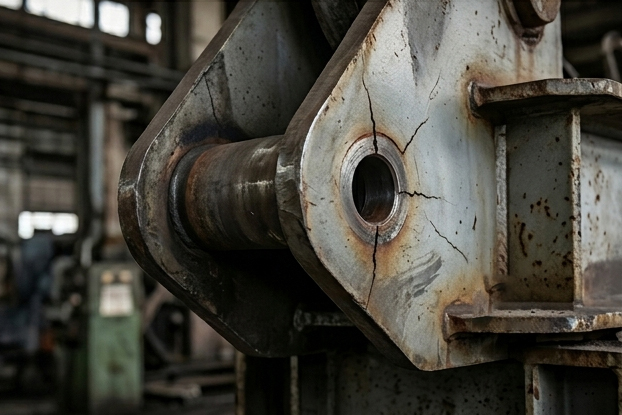
Les principaux impacts des vibrations mécaniques à long terme sur les composants essentiels des indicateurs de moment de charge et des indicateurs de charge admissible comprennent l'usure par frottement des connecteurs, l'augmentation du bruit du signal et la fatigue structurelle. Premièrement, l'usure par frottement désigne le léger mouvement relatif des connecteurs sous l'effet des vibrations, qui use progressivement les matériaux de la surface de contact et forme une couche d'oxyde, entraînant des circuits ouverts intermittents ou une augmentation de la résistance de contact. Ce phénomène est particulièrement marqué dans des conditions de vibrations de basse fréquence et de forte amplitude et peut provoquer des signaux de sortie instables des capteurs, conduisant à des erreurs de diagnostic ou à des défaillances d'alarme. Deuxièmement, les vibrations mécaniques introduisent du bruit dans le signal qui perturbe la transmission analogique des capteurs, provoquant des écarts dans les données de mesure. En particulier dans les environnements industriels complexes, lorsque la fréquence de vibration se rapproche de la fréquence propre des lignes de signal, une résonance est très probable, amplifiant davantage les interférences. Enfin, la fatigue structurelle est la dégradation des propriétés des matériaux causée par une concentration périodique des contraintes. En particulier au niveau des éléments porteurs critiques de l'indicateur de moment de charge, tels que les corps élastiques du capteur de force et les supports de fixation, les vibrations prolongées peuvent entraîner l'amorçage et la propagation de fissures, provoquant à terme une défaillance de l'équipement. L'action combinée de ces mécanismes physiques réduit considérablement la fiabilité et la stabilité du système, compromettant gravement les opérations de levage.
7.3 Stratégies de protection
Pour atténuer les effets néfastes des vibrations mécaniques sur les indicateurs de moment de charge et les indicateurs de charge admissible, diverses mesures anti-desserrage et d'amortissement des vibrations peuvent être mises en œuvre. Premièrement, il est recommandé d'utiliser des connecteurs aéronautiques plaqués or afin d'améliorer leur résistance à l'usure et leur conductivité. Le plaquage or inhibe efficacement la formation de couches d'oxyde et réduit l'impact de l'usure par frottement sur la transmission du signal. Deuxièmement, l'installation de supports anti-vibrations est essentielle pour atténuer les chocs vibratoires. Le choix d'isolateurs de vibrations en caoutchouc à fort amortissement ou à ressorts métalliques permet d'absorber et d'isoler significativement l'énergie des vibrations externes, protégeant ainsi les composants internes de précision. Par ailleurs, l'utilisation d'adhésifs de freinage de filetage est fortement recommandée. Ces adhésifs forment une couche d'étanchéité élastique au niveau des raccords filetés, empêchant tout desserrage dû aux vibrations. Lors des opérations, l'adhésif doit être mélangé selon les proportions recommandées par le fabricant et appliqué uniformément sur les surfaces filetées, en veillant à une couverture complète avant le serrage. Des cas concrets montrent qu'après l'adoption de ces mesures de protection complètes, le taux de défaillance des indicateurs de moment de charge sur une grande grue portuaire a diminué d'environ 30 % et la stabilité du système a été considérablement améliorée. Ces stratégies de protection sont non seulement conformes aux normes internationales en vigueur, mais constituent également des références importantes pour l'exploitation en toute sécurité d'équipements similaires dans des environnements vibratoires complexes.
8. Conclusion
La corrosion par pulvérisation et la corrosion chimique peuvent former des solutions électrolytiques conductrices, entraînant une corrosion électrochimique et des fuites. L'application d'un revêtement conforme et l'étanchéification des connecteurs aéronautiques externes améliorent considérablement l'efficacité de la protection. De plus, les interférences électromagnétiques et le bruit RF peuvent facilement induire des pics de tension sur les lignes de signal. Des mesures de blindage et de filtrage, telles que l'utilisation de câbles à paires torsadées blindées avec mise à la terre en un seul point et l'installation de perles de ferrite, permettent de réduire ces interférences. Les vibrations mécaniques et la fatigue structurelle peuvent provoquer une usure par frottement des connecteurs et des circuits ouverts intermittents. Des traitements anti-desserrage et d'amortissement des vibrations, comme l'utilisation de connecteurs aéronautiques plaqués or et de supports de montage anti-vibrations, améliorent la stabilité du système. Ces résultats de recherche fournissent un appui théorique important et des conseils pratiques pour garantir le fonctionnement sûr des grues dans des conditions climatiques extrêmes, et présentent une grande valeur pratique. Bien que cet article analyse l'impact des climats extrêmes sur les indicateurs de moment de charge et les indicateurs de charge admissible des grues, il comporte certaines limites. Premièrement, il se concentre principalement sur les effets de facteurs environnementaux isolés, alors qu'en conditions réelles d'exploitation, les effets combinés de plusieurs facteurs peuvent avoir des impacts plus complexes sur l'équipement, ce qui nécessite des recherches et des validations supplémentaires. Deuxièmement, concernant l'application de nouveaux matériaux, le potentiel des matériaux aux excellentes propriétés globales pour améliorer l'adaptabilité des équipements n'a pas encore été pleinement exploité. Afin de minimiser l'impact de l'environnement sur les indicateurs de moment de charge des grues, les efforts futurs peuvent s'orienter vers les axes suivants : premièrement, élaborer des modèles de couplage multifactoriels pour analyser en profondeur les interactions entre les différents facteurs environnementaux et leurs effets cumulatifs sur les performances des équipements ; deuxièmement, renforcer la collaboration interdisciplinaire avec la science des matériaux pour développer de nouveaux matériaux composites adaptés aux climats extrêmes, améliorant ainsi la durabilité et la fiabilité des équipements ; troisièmement, optimiser davantage les stratégies de protection en intégrant des technologies de surveillance intelligente pour permettre une perception en temps réel et un ajustement dynamique de l'état des équipements, améliorant ainsi globalement la sécurité d'exploitation des grues en climats extrêmes.