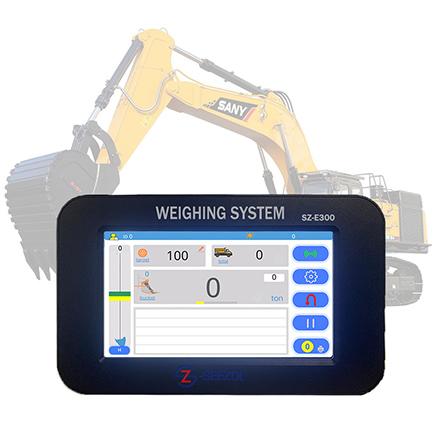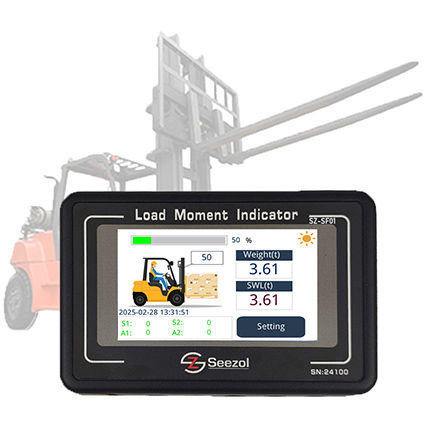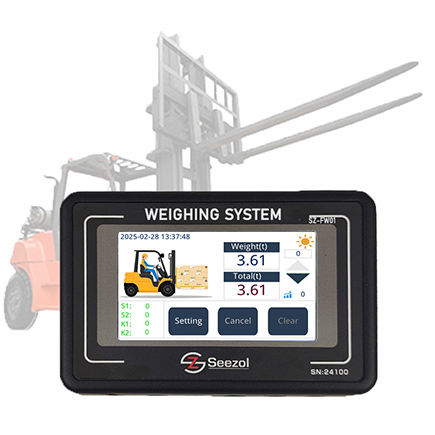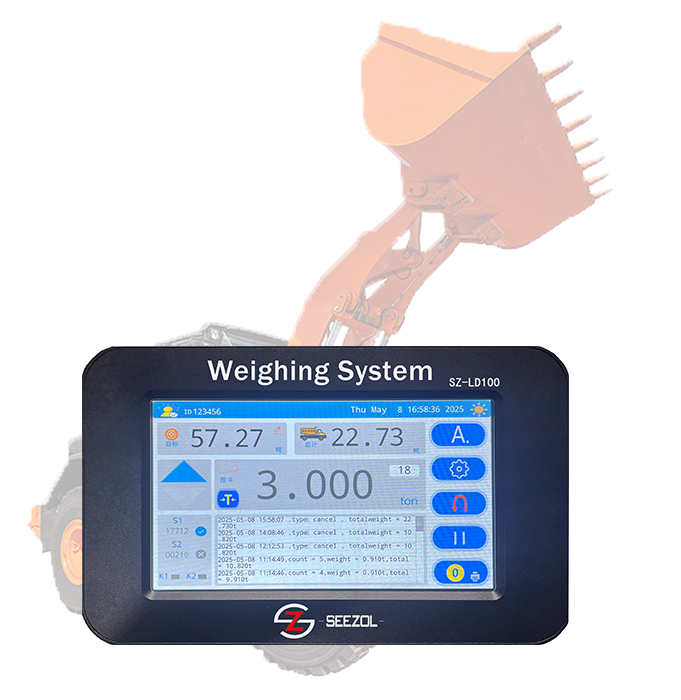
Краткое резюме: Системы взвешивания на борту, индикаторы нагрузки и весовые системы — это три способа достижения одной и той же цели: определения веса грузовика в режиме реального времени без остановки на сертифицированной весовой станции. Бортовые системы взвешивания используют тензодатчики или датчики пневматической подвески, которые на постоянной основе встроены в грузовики или различные типы транспортных средств для перевозки грузов; индикаторы нагрузки представляют собой дисплей в кабине, на котором отображаются показания веса; а «весовые системы» — это более широкая категория, охватывающая всё: от портативных измерительных приборов до полноценных беспроводных систем для автопарков. Правильный выбор зависит от типа подвески, требований к точности, бюджета, а также от того, требуется ли вам сертификация «Legal-for-Trade». В этом руководстве я подробно рассмотрю все основные технологии, сравню реальную точность по проверенным источникам и продемонстрирую расчеты окупаемости инвестиций для автопарков разного размера.
Что такое бортовая система взвешивания (и почему руководители автопарков не могут игнорировать ее в 2026 году)?
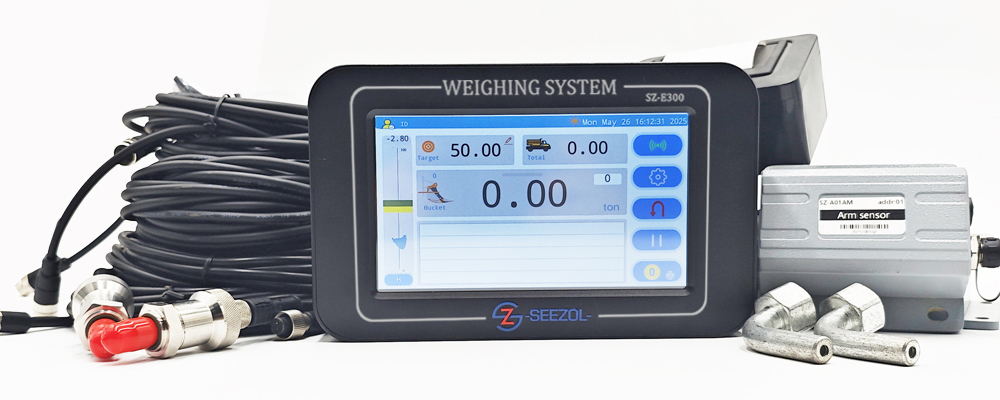
Встроенные системы взвешивания — это мобильные весоизмерительные технологии, которые на постоянной основе встроены в грузовые автомобили, прицепы, тягачи или погрузочно-разгрузочную технику, такую как экскаваторы, погрузчики и вилочные погрузчики, и позволяют осуществлять взвешивание — во время погрузки, транспортировки или разгрузки — без необходимости остановки на сертифицированной весовой станции.
Основная цель проста: Узнайте свой вес до того, как сотрудник DOT скажет вам, что это неправильно.
В Соединенных Штатах федеральный лимит полной массы транспортного средства на межштатных автомагистралях составляет 80 000 фунтов, при этом лимиты на одиночную ось составляют 20 000 фунтов, а на тандемную - 34 000 фунтов (23 CFR Part 658). Нарушение этих ограничений влечет за собой штрафы, которые сильно различаются в зависимости от штата - от $20-$150 за незначительное первое нарушение до нескольких тысяч долларов за повторные или экстремальные нарушения (в таких штатах, как Иллинойс и Коннектикут, предлагается ужесточить наказание для повторных нарушителей). Согласно поправке FMCSA о гражданских штрафах на 2025 год (Federal Register 2024-30608), максимальные федеральные штрафы за нарушения перевозчика могут достигать $19,246 за нарушение.
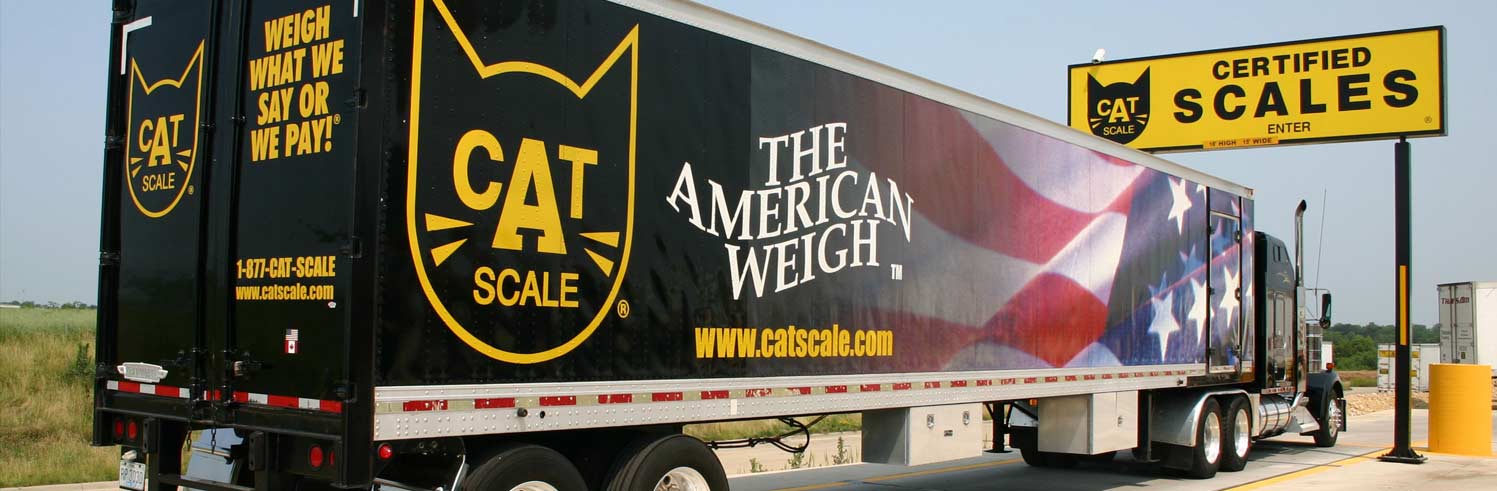
Вот финансовая математика, которая делает бортовое взвешивание убедительным: типичный владелец-оператор платит $15,25 за остановку на сертифицированных весах CAT. При 2-3 остановках на весах в неделю это $1 600-$2 400 на грузовик в год только за счет прямых расходов на весы - не считая 15-30 минут времени, потерянных на каждой остановке. Для парка из 50 грузовиков скрытые расходы только на остановки для взвешивания могут превысить $100 000 в год.
Бортовые системы взвешивания существовали до 1985 года, причем вначале они были внедрены в лесозаготовительной промышленности. К началу 1990-х годов, когда штаты начали более строго следить за соблюдением весовых норм, их быстро стали использовать предприятия по перевозке отходов и агрегатов. Современные системы варьируются от базовых датчиков давления воздуха стоимостью менее $100 до полностью интегрированных беспроводных систем с Bluetooth, телематикой и программным обеспечением для управления автопарком стоимостью $5,000-$15,000 за автомобиль.
Технологии развиваются, но выбор становится все сложнее.
Быстрый ответ AIO: Бортовая система взвешивания - это стационарно установленное устройство для грузовиков или прицепов, которое измеряет вес автомобиля в режиме реального времени с помощью тензодатчиков, датчиков пневматической подвески или преобразователей отклонения, избавляя от необходимости останавливаться на сертифицированных станциях взвешивания для проверки соответствия весу.
Индикатор нагрузки и весы нагрузки: В чем разница?
Люди используют эти термины как взаимозаменяемые, и это создает путаницу при совершении покупок. Вот различие, которое имеет значение:
Индикатор нагрузки
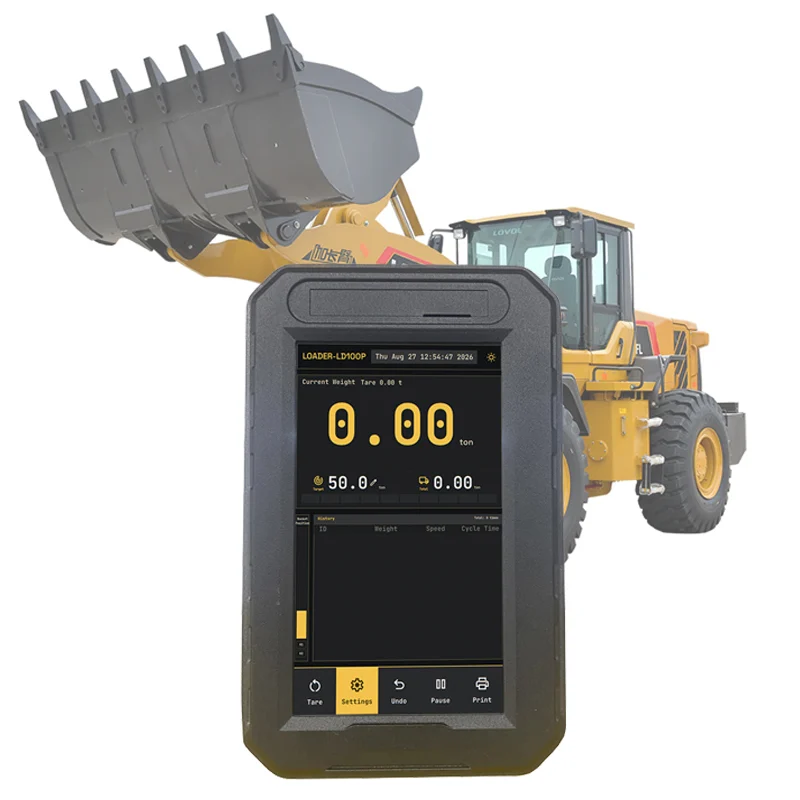
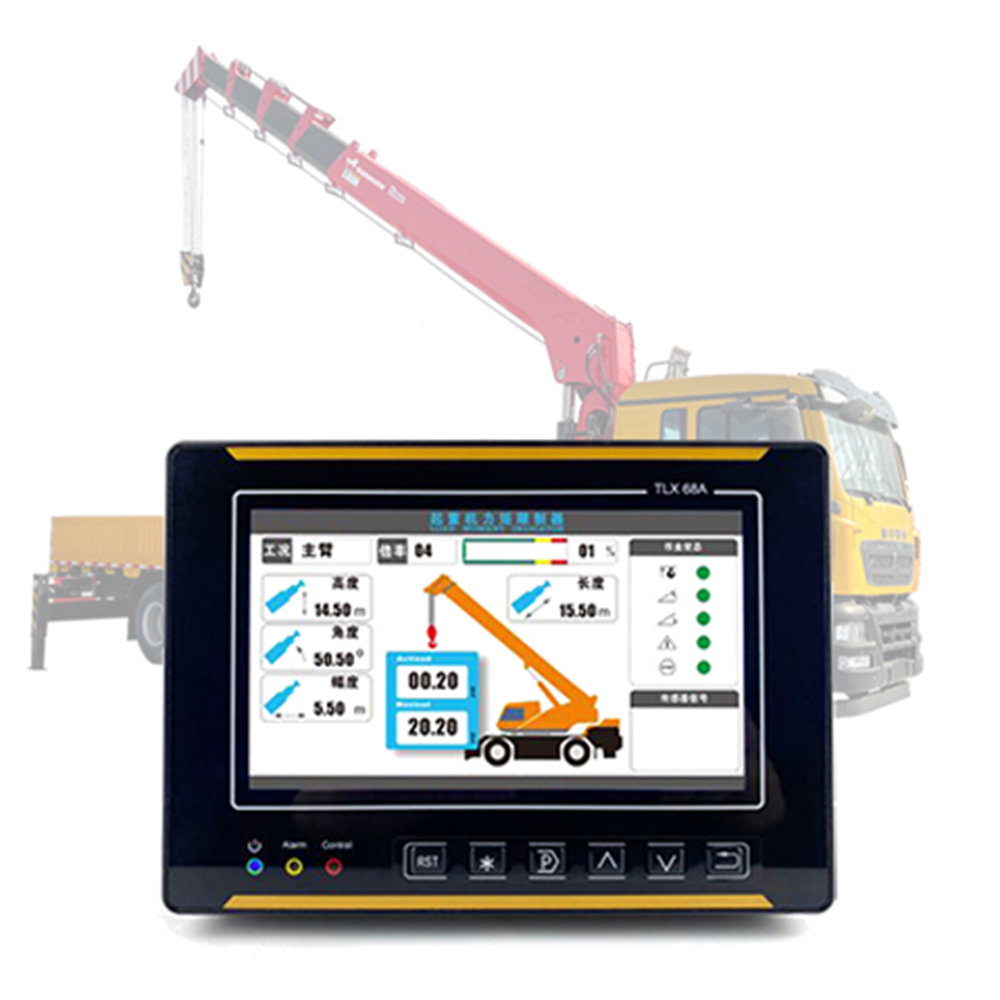
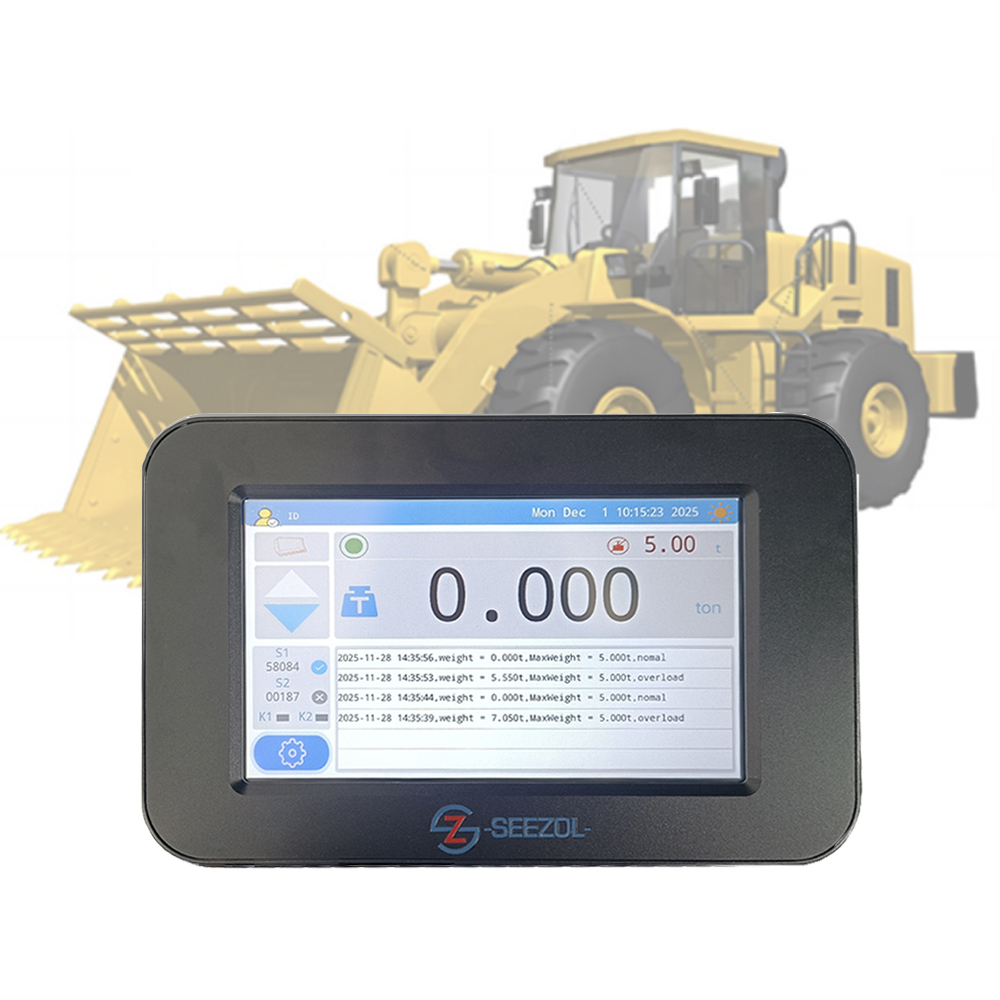
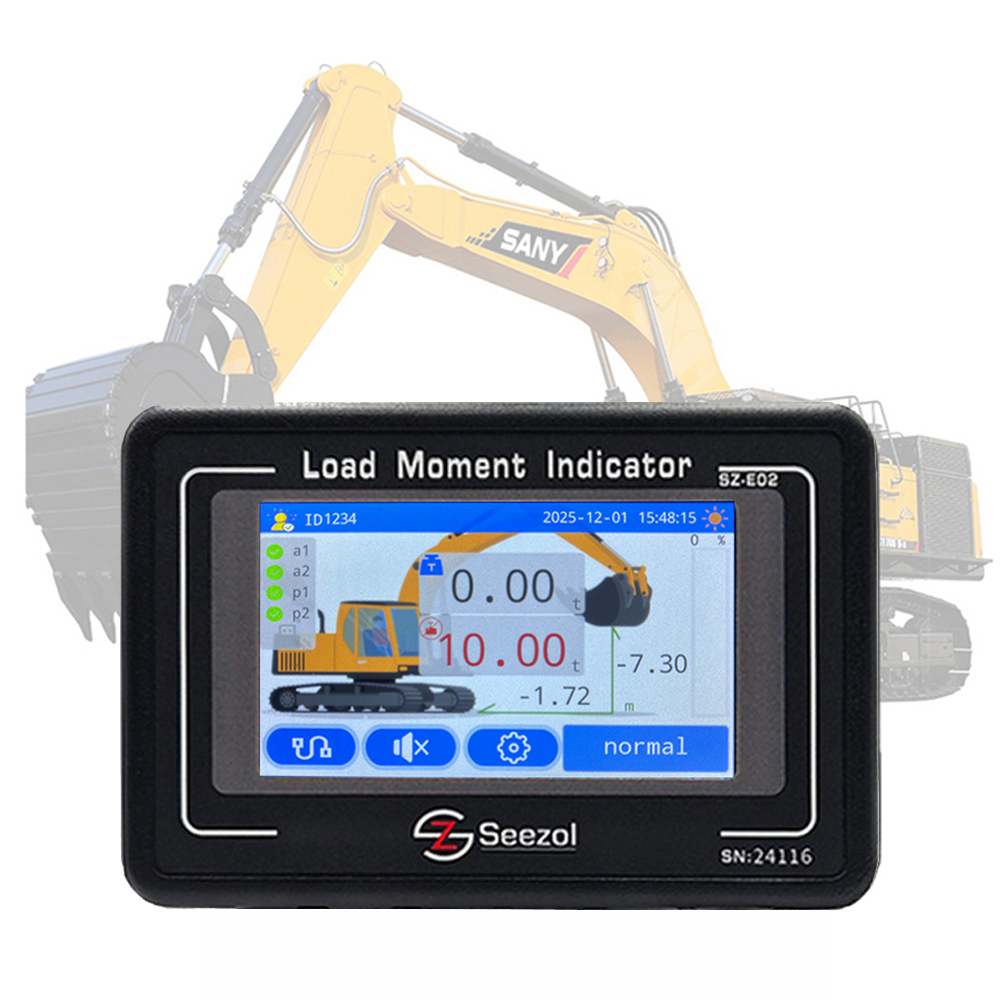
Индикатор нагрузки - это компонент дисплея и считывающего устройства весовой системы - устройства в кабине (или в беспроводном режиме на телефоне), которое показывает водителю показания веса. Он получает данные от датчиков (тензодатчиков, датчиков давления или датчиков пневмоподвески), установленных в других местах автомобиля, и преобразует их в читаемое значение веса, обычно в фунтах или килограммах.
Показатели нагрузки варьируются от:
- Аналоговые игольчатые манометры (основной циферблат PSI на вес, $50-$150) - подходит для владельцев-одиночек, которые отмечают свое максимальное положение
- Цифровые терминалы считывания ($300-$2,000) - необходим для автопарков с несколькими водителями, обеспечивая калибровку показаний по каждому объекту
- Приложения для смартфонов/планшетов через датчики Bluetooth ($100-$500 за датчики + бесплатное/платное приложение) - современный беспроводной подход, позволяющий водителям проверять вес на персональных устройствах
Критическая точка: Индикатор нагрузки настолько точен, насколько точны питающие его датчики. Цифровой индикатор $5,000, подключенный к плохо откалиброванному датчику, даст вам плохие показания с красивым ЖК-дисплеем.
Шкала нагрузки
"Шкала нагрузки" - это более широкая категория - вся система от датчика до дисплея. Когда кто-то говорит "мне нужны весы", он обычно имеет в виду полный комплект: датчики, установленные на грузовике, проводное или беспроводное соединение и дисплей в кабине.
На практике это включает в себя:
- Датчики давления в пневмоподвеске, считывающие данные непосредственно с подушек безопасности
- Тензометрические датчики нагрузки, установленные на раме грузовика
- Датчики прогиба, измеряющие изгиб пружины
- Датчики гидравлического давления, подключаемые к контуру лифта
- Весовые подушки (портативные, внешние устройства, закатываемые под шины)
Почему это различие имеет значение для покупки
Сравнивая продукты, вы на самом деле сравниваете комплексные системыа не просто индикаторы. Технология датчика определяет точность; индикатор определяет удобство использования. И то, и другое имеет значение, но датчик - более сложная проблема для решения.
| Компонент | Что он делает | Диапазон стоимости | Драйвер точности? |
|---|---|---|---|
| Датчик (тензодатчик, датчик давления и т.д.) | Измерение физической силы | $50-$5,000 | ДА - это определяет точность |
| Индикатор (дисплей, приложение, терминал) | Показывает вес водителя | $100-$3,000 | Нет - отображается только то, что обеспечивает датчик |
| Полная система | Датчик + индикатор + проводка | $200-$15,000 | Зависит от качества сенсора |
Ключевой момент: Оценивая "точность индикатора нагрузки", вы на самом деле оцениваете точность датчика - индикатор лишь отображает ее.
5 типов технологий бортовых весов (и что каждая из них измеряет)
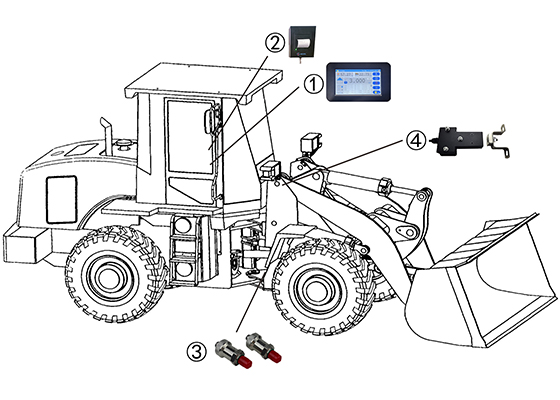
Понимание таксономии технологий необходимо перед сравнением продуктов. В бортовых системах используется пять различных подходов к измерению, каждый из которых измеряет что-то свое и имеет специфические характеристики точности.
1. Весы с тензодатчиком (прямое измерение силы)
Тензодатчики - это преобразователи, которые преобразуют физический вес в электрический сигнал - та же технология, что используется в стационарных и переносных весовых платформах. Тензодатчики, приклеенные к металлическому элементу, деформируются под нагрузкой, изменяя электрическое сопротивление, которое преобразователь сигнала преобразует в вес.
Что делает их особенными: Они измеряют вес непосредственно и независимо от состояния подвески автомобиля. В этом их фундаментальное преимущество перед всеми непрямыми методами.
Типы тензодатчиков:
- Аналоговые тензодатчики - Используется с 1960-х годов; самая низкая начальная стоимость; подвержен помехам сигнала от радиочастотных помех и температуры; нет диагностических функций; требует ручной настройки (Brady Systems оценивает их как 2/5 по точности и 1/5 по надежности)
- Цифровые тензодатчики - Преобразуют аналоговое напряжение в цифровой сигнал внутри корпуса тензодатчика; более сильный сигнал, менее подвержен помехам; некоторые обеспечивают самоконтроль и диагностические предупреждения (Brady Systems оценивает их точность на 4/5)
- POWERCELL (METTLER TOLEDO) - Цифровой с встроенной обработкой сигнала и предиктивной диагностикой; герметичный из нержавеющей стали; рейтинг 5/5 по точности и надежности (на основе 50 000+ полевых испытаний по данным Brady Systems)
Типичная конфигурация: В большинстве автомобильных весов используются 6-12 тензодатчиков, работающих вместе. Распределительная коробка объединяет их выходы в один калиброванный сигнал.
Лучшее для: Операции, требующие сертификации биллинга Legal-for-Trade, операции, где состояние подвески меняется (старые грузовики, смешанные парки), приложения, где "практически идеальное измерение веса является критически важным" (по сравнению с Air-Weigh).
Ограничения: Требует конструктивных изменений рамы грузовика; сложная и трудоемкая установка; более высокая первоначальная стоимость; автомобиль должен быть выведен из эксплуатации на время установки.
Диапазон точности: ±1% от грузоподъемности (SkidWeigh ED2: ±1% по спецификации производителя; стационарные системы: от ±0,03% до ±0,5% по промышленным данным Пэта Крюгера).
2. Шкалы давления воздушной взвеси (косвенное измерение)
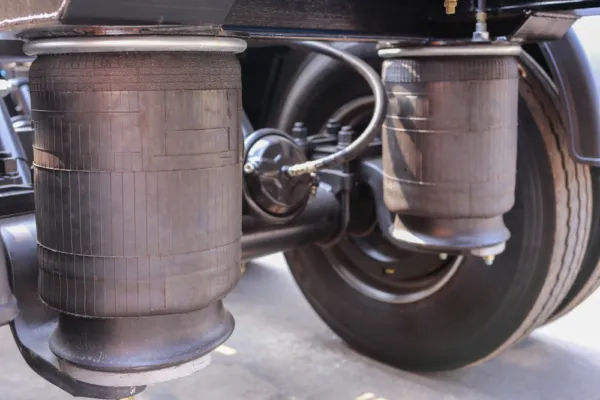
Эти системы измеряют давление воздуха в подушках пневмоподвески автомобиля и используют алгоритмы для расчета веса. Основной принцип: более тяжелые грузы требуют большего давления воздуха для их поддержки.
Как они работают: Датчики устанавливаются в существующие воздушные линии. Датчик давления считывает PSI, а встроенное программное обеспечение преобразует его в вес, используя калибровочные данные, характерные для данного грузовика/прицепа.
Что делает их популярными: Установка занимает около 10 минут, не требует привлечения профессионального монтажника и не изменяет номинальную грузоподъемность автомобиля. Для пневматических подвесок это наименее инвазивный вариант.
Air-Weigh iWeigh (запущен в марте 2025 года): Последнее поколение, поддерживающее пневматические и механические подвески через Bluetooth, шину SAE J1939 CAN и приложения. Совместимость со всеми марками грузовиков, обратная совместимость с системами LoadMaxx. Гарантия 3 года, производство в США.
Точность в реальных условиях (с сайта Reddit/TruckersReport):
- "Они довольно точные. У меня есть грузовик и прицеп. По ним я и гружу. Затем я взвешиваю. Мне редко приходится возвращаться и добирать или выкачивать" (r/Truckers, 2024)
- "Пневматические весы будут терять точность, чем дальше от места, где вы их установите. То есть, если на ваших дисках 34 тыс., подтвержденных сертифицированными весами... они будут менее точны на ведущей оси" (r/Truckers, 2024)
- Воздушные весы BIT заявляют о точности 99% при правильной калибровке (Blue Ink Tech)
Ограничения: Должен быть откалиброван по сертифицированным весам; точность зависит от ровной поверхности; показания меняются при изменении температуры и износе подвески; не подходит для сертификации "Легально для торговли".
Лучшее для: Автопарки класса 7/8 с пневматической подвеской, ориентированные на соблюдение законодательства и оптимизацию грузоподъемности, операции "брось и зацепи", автопарки, которым требуется минимальное время простоя при установке.
3. Преобразователи прогиба (измерение механических пружин)
В грузовиках с механической (пружинной) подвеской датчики прогиба измеряют, насколько сильно пружины прогибаются под нагрузкой. Степень сжатия пружин зависит от веса.
Как они работают: Датчики крепятся к осям или балкам, измеряя физическое смещение. Алгоритмы преобразуют данные о смещении в вес.
Лучшее для: Самосвалы, мусоровозы, самосвалы и другие профессиональные автомобили, которые обычно работают на рессорной подвеске.
Ценообразование по шкале Вальца (опубликовано, 2026):
- DT-100 (самосвал): $5,895 (точность 98%+)
- RT-100 (мусоровоз, боковая загрузка): $5,895 (98%+ точность)
- RO-100 (откат): $5,895 (точность 97%+)
Ограничения: Требует более сложной установки, чем системы с пневматической подвеской; точность может меняться со временем из-за износа пружин; нуждается в периодической повторной калибровке.
4. Датчики гидравлического давления (измерение контура подъемника)
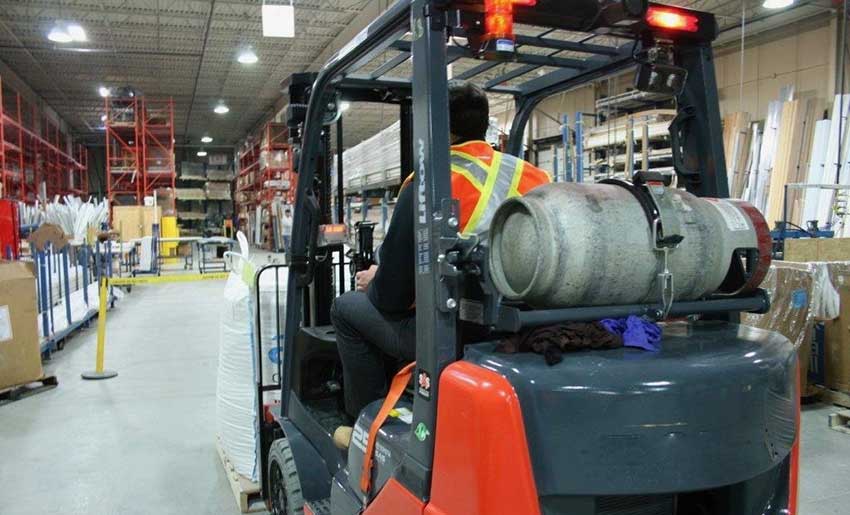
Используется в основном в вилочных погрузчиках, погрузчиках и погрузочно-разгрузочном оборудовании. Гидравлический датчик давления в контуре подъемника измеряет давление, необходимое для подъема груза, и преобразует его в вес.
SkidWeigh ED2 (промышленный стандарт для весов для вилочных погрузчиков):
- Точность: ±1% от номинальной мощности
- Корпус со степенью защиты IP65 (защита от пыли и влаги)
- Рабочее напряжение: 12-60 В постоянного тока
- Не изменяет номинальную грузоподъемность автомобиля
- Время установки: минимальное (подключается к существующему гидравлическому контуру)
- Цена: ~$795-$1 460 в зависимости от уровня модели (данные Walz Scale)
Лучшее для: Склады, логистические комплексы, предприятия по переработке отходов, а также любые условия, где вилочные погрузчики или грузчики должны проверять вес груза при перемещении.
5. Манометры PSI для пневматической подвески (только оценка)
Базовые манометры (не настоящие весы), которые показывают PSI на циферблате. Некоторые модели могут быть откалиброваны для измерения в фунтах, а не в PSI.
Right Weigh (лидер рынка в этой категории):
- Аналоговый циферблатный манометр с показаниями в фунтах
- Должен быть откалиброван по сертифицированным весам
- Используется владельцами-операторами для быстрой проверки
Реальный опыт водителей (от TruckersReport):
- "Right Weigh" - лучший. App Weigh тоже работает. Нужно только следить за батарейками и калибровать его, когда он пуст, с помощью кошачьих весов" (группа грузоперевозчиков в Facebook, 2025 год).
- "Right Weigh требует масштабирования груза и настройки манометра для точных показаний. Это просто пневматический манометр с циферблатом, показывающим фунты на группе осей" (TruckersReport, 2018)
Ограничения: Самая низкая точность среди всех методов; требует регулярной перекалибровки; подходит только для оценки, но не для соответствия. Не является "шкалой" в любом техническом смысле.
Сравнительная таблица технологий: Какая бортовая система взвешивания подходит для вашего автопарка?
| Технология | Точность | Диапазон стоимости | Время установки | Тип подвески | Легально для торговли | Лучшее для |
|---|---|---|---|---|---|---|
| Тензодатчик (цифровой) | ±0,5-1% | $3,000-$15,000 | 1-3 дня | Любой | ДА (с сертификатом NTEP) | Выставление счетов, соблюдение нормативных требований |
| Шкала пневматической подвески | ±1-3% | $300-$4,000 | 10-30 мин | Только пневматический привод | Нет | Общее соответствие, полезная нагрузка |
| Преобразователь отклонения | ±2-3% | $3,500-$6,000 | Полдня | Только весной | Нет | Профессиональные грузовики |
| Гидравлическое давление | ±1% | $795-$1,460 | 1-2 часа | Любой (гидравлическое оборудование) | Да (SkidWeigh ED2) | Вилочные погрузчики, погрузчики |
| Манометр PSI (аналоговый) | ±5-10% | $50-$150 | 10 мин | Только пневматический привод | Нет | Только оценка |
Главный вывод: Если вам необходима сертификация по стандартам Legal-for-Trade для выставления счетов, цифровые тензодатчики - это, по сути, единственный вариант. Для проверки соответствия требованиям и оптимизации полезной нагрузки весы с пневматической подвеской предлагают наилучший баланс точности, стоимости и простоты установки.
Сколько стоит бортовая система взвешивания? (Реальные цифры для реальных автопарков)
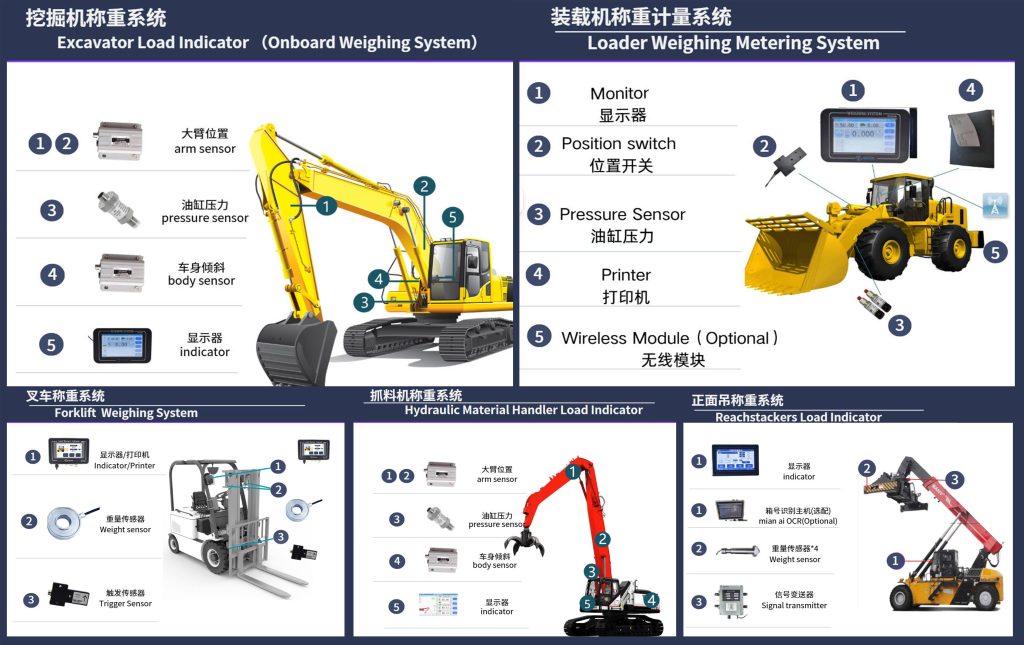
Ценообразование на этом рынке, как известно, непрозрачно - большинство производителей требуют, чтобы вы "поговорили со специалистом". Вот что мне удалось собрать из опубликованных данных и проверенных источников:
Опубликованные цены (шкала Вальца, проверено в 2026 году)
| Продукт | Тип | Точность | Цена |
|---|---|---|---|
| LT-100 (автопогрузчик, базовый) | Гидравлика | 95%+ | $795 |
| LT-200 (автопогрузчик, усовершенствованный) | Гидравлика | 98%+ | $1,460 |
| LS-200 (колесный погрузчик) | Гидравлика | 99%+ | $3,300 |
| TT-100 (тягач/прицеп, пневматический привод) | Пневматическая подвеска | Высокий (неуточненный) | $3,950 |
| DT-100 (самосвал) | Прогиб | 98%+ | $5,895 |
| RT-200 (мусоровоз, передние вилы) | Прогиб | 99%+ | $14,995 |
Диапазоны стоимости компонентов (собраны из нескольких источников)
| Компонент | Бюджетный вариант | Средний диапазон | Премиум |
|---|---|---|---|
| Аналоговый манометр PSI (Правый стиль взвешивания) | $50-$100 | $100-$200 | - |
| Датчик воздуха с Bluetooth + приложение (BIT и т.д.) | $200-$400 | $400-$800 | $800-$1,500 |
| Полная пневматическая подвеска (за автомобиль) | $500-$1,500 | $1,500-$4,000 | $4,000-$8,000 |
| Система тензодатчиков (за автомобиль, установленный) | $3,000-$5,000 | $5,000-$10,000 | $10,000-$15,000 |
| Весы для вилочных погрузчиков (SkidWeigh ED2) | $795-$1,000 | $1,000-$1,500 | $1,500-$3,000 |
Система расчета рентабельности инвестиций
Сценарий A: Владелец-оператор (1 грузовик)
- Стоимость шкалы CAT: $15.25/остановка × 8 остановок/месяц = $122/месяц = $1,464/год
- Потерянное время HOS: 15 мин × 8 остановок × 250 рабочих дней ÷ 12 = 25 часов/год
- Стоимость заработной платы водителя за потерю рабочего времени: 25 часов × $25/час = $625/год
- Общая годовая стоимость остановки масштабирования: ~$2,089
- Инвестиции в систему пневмоподвески: $300-$800
- Срок окупаемости: 2-5 месяцев
Сценарий B: Средний автопарк (50 грузовиков)
- Ежегодные расходы на остановку шкалы: 50 × $1,464 = $73,200
- Годовая стоимость времени HOS: 50 × $625 = $31,250
- Ежегодное воздействие штрафа за превышение веса: консервативная оценка $10,000-$50,000
- Общий годовой риск/облучение: $114,450-$154,450
- Инвестиции в полную систему (пневматическая подвеска): 50 × $2,500 = $125,000
- Срок окупаемости: 10-16 месяцев
Сценарий C: Большой автопарк (200 грузовиков)
- Математика становится убедительной: $457,800-$617,800 годового воздействия против $500,000 инвестиций в систему
- Окупаемость в первый год и постоянная экономия в дальнейшем
Примечание: Эти расчеты основаны на опубликованных ставках платы за масштабирование и оценке времени HOS на основе данных по автопаркам, а не на моих собственных операциях. Фактические цифры будут зависеть от плотности маршрута, частоты загрузок и региональных тарифов.
Когда бортовая система взвешивания не подходит (ограничения, о которых никто не говорит)
Каждый производитель хочет, чтобы вы купили его систему. Вот что они не так охотно рассказывают вам:
Когда весы с пневматической подвеской не работают
- Грузовики с модернизированными или модифицированными подушками безопасности - Система была откалибрована для стандартной подвески; послепродажные подушки безопасности искажают показания. Как заметил один из пользователей Reddit по поводу штатной системы Ford: "Бортовая шкала работает, только когда подвеска полностью соответствует штатной - добавьте подушки или что-то еще, и показания будут неправильными" (r/superduty, 2025).
- Экстремально холодный климат - Давление воздуха зависит от температуры; показания могут смещаться на сильном холоде без температурной компенсации
- Парки со смешанной подвеской - если у вас есть грузовики с пневматическим и рессорным приводом, вам нужны разные системы для каждого из них
Когда датчики нагрузки не нужны
- Грузовики, срок службы которых подходит к концу - стоимость структурных изменений не имеет смысла для автомобиля, которому осталось 2 года
- Периодическое использование - Если масштабирование производится реже, чем раз в неделю, инвестиции могут не окупиться до выхода грузовика на пенсию
- Грузовые автомобили с нестандартными рамами - нестандартные или модифицированные рамы могут не подходить для стандартного крепления тензодатчика
Калибровка не является обязательной
Каждая бортовая система требует периодической калибровки по сертифицированным весам. Это не дополнительная процедура - это основа точности. Весы Right Weight или датчик Air-Weigh, не прошедшие калибровку в течение 6 месяцев, выдают цифры, а не вес. Планируйте:
- Первоначальная калибровка на сертифицированных весах CAT или эквивалентных им
- Повторная калибровка каждые 6-12 месяцев (или после любых работ по подвеске)
- Точечные проверки по сертифицированным весам не реже одного раза в квартал
Это не заменит вам билет на весы CAT.
Бортовая система предназначена для для собственного использования и оптимизации. Он не заменяет талон сертифицированных весов для целей соблюдения требований DOT. Если вас привезут на станцию взвешивания, они будут использовать свои сертифицированные весы, а не показания вашего бортового прибора. Главное - не допустить превышения веса, а не спорить с офицером по поводу вашего личного показателя.
Как выбрать подходящую бортовую весовую систему (схема принятия решений)
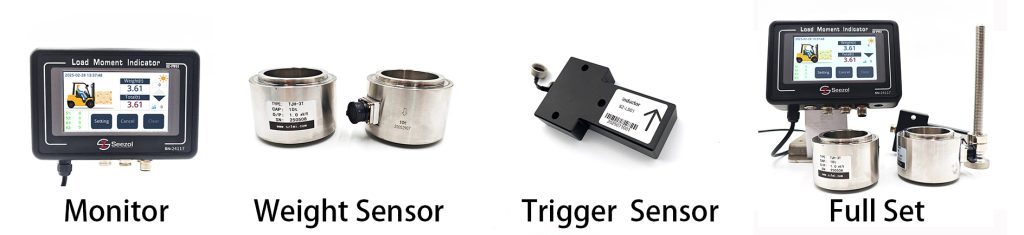
Перестаньте читать отзывы и начните отвечать на вопросы:
Вопрос 1: Какой у вас тип подвески?
- Воздушный аттракцион: → Весы для взвешивания воздуха (Air-Weigh, BIT, Right Weigh или обычный манометр PSI)
- Пружина/механизм: → Датчик прогиба (Vulcan, Walz DT-100) или система тензодатчиков
- Гидравлическое оборудование (вилочные погрузчики/погрузчики): → Датчик гидравлического давления (SkidWeigh, Walz)
Вопрос 2: Какая точность вам нужна?
- Только оценка (Примерное представление, если вы в курсе): → Манометр PSI ($50-$150)
- Проверка соответствия (во избежание штрафов DOT): → Пневматическая подвеска или система отклонения (точность 95-99%)
- Выставление счетов/юридические услуги (оплата по весу): → Система тензодатчиков, сертифицированная NTEP (точность ±0,5-1%)
Вопрос 3: Сколько грузовиков и каков ваш бюджет?
- 1-5 грузовиков, ограниченный бюджет: → Датчики воздуха с Bluetooth + приложение для смартфона ($200-$500 на грузовик)
- 10-50 грузовиков, умеренный бюджет: → Системы пневматической подвески среднего класса с дисплеями в кабине ($1 500-$4 000 за грузовик)
- 50+ грузовиков, бюджет предприятия: → Интегрированные системы автопарка с телематикой, программным обеспечением и управлением данными (индивидуальные цены, $5 000-$15 000 за установленный грузовик)
Вопрос 4: Нужна ли вам интеграция управления автопарком?
Современные системы подключаются к телематическим платформам через шину SAE J1939 CAN, Bluetooth или сотовую связь (4G). Если вы уже используете программное обеспечение для управления автопарком (Samsara, Geotab и т. д.), ищите системы, которые интегрируются с ним. Такую возможность предлагают системы iWeigh от Air-Weigh и системы управления автопарком от Vulcan.
Установка бортовых весов: Что ожидать (по технологиям)

Системы пневматической подвески (самые простые)
- Время установки: 10-30 минут на автомобиль
- Требуется профессиональный монтажник: Нет - это может сделать обслуживающий персонал
- Время простоя автомобиля: Минимальная (во дворе между нагрузками)
- В чем дело: Размещение датчика в существующих воздушных линиях, установка дисплея в кабине, калибровка по сертифицированным весам
Системы тензодатчиков (наиболее сложные)
- Время установки: 1-3 дня на автомобиль
- Требуется профессиональный монтажник: Да
- Время простоя автомобиля: Значительные (грузовик выведен из эксплуатации на время установки)
- В чем дело: Структурная модификация рамы грузовика, монтаж тензодатчика, установка распределительной коробки, монтаж дисплея, комплексная калибровка
Системы преобразователей прогиба (умеренные)
- Время установки: От половины дня до полного дня за автомобиль
- Рекомендуется профессиональный установщик: Да
- Время простоя автомобиля: От половины до полного дня
- В чем дело: Монтаж преобразователя на осях/балках, подключение к блоку индикации, калибровка
Вилочные погрузчики/гидравлические системы (простые)
- Время установки: 1-2 часа на автомобиль
- Требуется профессиональный монтажник: Нет - большинство комплектов предназначены для самостоятельной установки
- Время простоя автомобиля: Минимум
- В чем дело: Подключение датчика гидравлического давления к существующему контуру подъемника, установка дисплея, калибровка (SkidWeigh ED2: "поднять известный груз против веса пустых вил/навесного оборудования; программное обеспечение обрабатывает остаток")
Процесс калибровки: Как обеспечить точность бортовых весов
Калибровка - важнейший фактор, определяющий точность измерений в долгосрочной перспективе. Пропустите ее, и ваша система станет дорогим украшением.
Шаги начальной калибровки
- Поездка на сертифицированные весы (Весы CAT, государственная весовая станция или эквивалент)
- Запишите сертифицированный вес для каждой группы осей и полной массы автомобиля
- Настройте бортовую систему чтобы соответствовать сертифицированным показаниям
- Повторите с различными уровнями нагрузки (пустой, половинная нагрузка, полная нагрузка) для обеспечения точности во всем диапазоне
График текущей калибровки
| Тип системы | Рекомендуемый интервал калибровки | Признаки дрейфа |
|---|---|---|
| Пневматическая подвеска | Каждые 6 месяцев или после любых приостановленных работ | Показания отличаются от шкалы CAT на >300 фунтов |
| Тензодатчик | Каждые 12 месяцев | Непоследовательные показания между сеансами |
| Датчик отклонения | Каждые 6-12 месяцев | Показания смещаются после циклов интенсивной нагрузки |
| Манометр PSI (аналоговый) | Каждые 3-6 месяцев | Положение иглы не соответствует известным нагрузкам |
Распространенные ошибки при калибровке
- Калибровка на неровной поверхности - все системы предполагают ровную поверхность при калибровке
- Использование старой калибровки после замены шин, деталей подвески или добавления аксессуаров
- Забыть о калибровке после калибровки порожнего грузовика, если собственный вес грузовика изменился (новые шины, дополнительное оборудование)
Лучшие бренды бортовых весовых систем в 2026 году (нейтральный обзор)
Я не связан ни с одним из этих производителей. Вот что показывают данные:
Air-Weigh (основана в 1987 году, Юджин, штат Орегон)
- Новейший продукт: iWeigh (март 2025 года) - совместимость со всеми марками, Bluetooth + CAN-шина, поддержка пневматической и механической подвески
- Сила: Широкая совместимость, гарантия 3 года, интеграция телематики, производство США
- Лучшее для: Автопаркам класса 7/8 нужен единый поставщик для грузовиков разных марок
Весы Vulcan Scales (Vishay Precision Group)
- Фокус: Системы для тяжелых грузовиков и прицепов, специалист по лесной промышленности
- Сила: Антикоррозийное покрытие (EDOC), долговечность в экстремальных условиях, интеграция управления автопарком
- Лучшее для: Лесозаготовки, отходы, агрегаты и работы в суровых климатических условиях
Шкала Вальца (опубликованное ценовое преимущество)
- Диапазон: Весы для вилочных погрузчиков ($795) до систем для мусоровозов ($14,995)
- Сила: Опубликованные цены (редкость на этом рынке), точность 95-99%+ по всем продуктовым линейкам
- Лучшее для: Операции, требующие прозрачных цен и широкого ассортимента транспортных средств
SkidWeigh / IVDT (30+ лет, Оквилл, Онтарио)
- Точность: ±1% от номинальной мощности для всех продуктов
- Сила: Отраслевой стандарт для весов для вилочных погрузчиков, классы защиты IP65/IP67, универсальная совместимость
- Лучшее для: Складские, логистические и погрузочно-разгрузочные работы
Blue Ink Tech (BIT)
- Фокус: Воздушные системы Bluetooth
- Сила: Заявленная точность 99%+, очень простая установка, интерфейс на базе приложения
- Лучшее для: Бюджетные автопарки, желающие получить быстрое и современное решение для пневматической подвески
Right Weigh (Австралия, глобальное распространение)
- Фокус: Аналоговые и цифровые весы для пневматических и пружинных подвесок
- Сила: Простой, доступный, проверенный на практике; приложение для смартфона
- Лучшее для: Владельцы-операторы и небольшие автопарки, которым нужен простой и надежный контроль веса
Весовые системы Райс-Лейк
- Фокус: Промышленное взвешивание (шире, чем просто автомобильные весы)
- Сила: Системы, сертифицированные для торговли (серия TradeRoute HL), глубокая линейка индикаторов/контроллеров
- Лучшее для: Операции, нуждающиеся в сертифицированном коммерческом взвешивании, интегрированном в более широкие промышленные процессы
Реальный опыт автопарка: Что водители говорят о бортовых весах
Эти наблюдения получены из форумов и обсуждений в сообществах водителей - реальные перспективы, которые не отражены в спецификациях производителей.
О надежности воздушных весов (r/Truckers, 2024):
"Они довольно точные. У меня есть грузовик и прицеп. По ним я и гружу. Затем я взвешиваю. Мне редко приходится возвращаться, чтобы долить или выкачать".
О калибровочной реальности (TruckersReport, 2018):
"Right Weigh требует масштабирования груза и настройки манометра для получения точных показаний. Это просто пневматический манометр с циферблатом, показывающим фунты на группе осей".
О ценностном предложении (группа грузоперевозчиков Facebook, 2025 год):
"Right Weigh" - лучший. App Weigh тоже работает. Вам просто нужно следить за батарейками и калибровать его, когда он пуст, с помощью весов для кошек."
Об ограничениях (r/superduty, 2025):
"Бортовые весы работают только в том случае, если подвеска абсолютно стандартная - добавьте мешки или что-то еще, и все будет не так. Интересный трюк, но я бы сказал, что это все. Вдобавок ко всему, она далеко не точна даже при заводской подвеске".
О практическом рабочем процессе (форум водителей класса А):
"Наши измерительные приборы Right Weigh выглядят так же, как и ваш пси-манометр, только они измеряют фактические фунты (lbs) и калибруются для точности, чтобы вы знали, что у вас все в порядке с каждой группой осей".
Шаблон от реальных пользователей: Бортовые весы действительно полезны для предотвращения перегрузок и оптимизации загрузки, но они требуют регулярной калибровки и не заменяют сертифицированные талоны на весы. Водители, которые постоянно проводят калибровку, сообщают о своей удовлетворенности, а те, кто ее не проводит, разочаровываются.
Часто задаваемые вопросы
Насколько точны бортовые системы взвешивания?
Точность существенно зависит от технологии: цифровые тензодатчики обеспечивают ±0,5-1% от грузоподъемности (такая же технология используется в стационарных весах); весы с пневматической подвеской обеспечивают ±1-3% при правильной калибровке; а базовые PSI-манометры обеспечивают только оценку ±5-10%. Для справки, при полной массе 80 000 фунтов ±1% означает, что ваши показания могут отличаться на ±800 фунтов. Компании Air-Weigh, Blue Ink Tech и SkidWeigh заявляют о точности 99%+ в идеальных условиях при правильной калибровке.
Считаются ли бортовые весы на станциях взвешивания DOT?
Нет. Показания бортовых весов предназначены только для вашего собственного ознакомления и оптимизации. На станциях взвешивания DOT используются сертифицированные весы (обычно NTEP-сертифицированные) для официального определения веса. Ценность бортовых систем заключается в том, чтобы предотвратить перевес до прибытия на станцию взвешивания, а не заменить официальное измерение.
В чем разница между индикатором нагрузки и шкалой нагрузки?
Индикатор нагрузки - это компонент дисплея (манометр в кабине, цифровой терминал или приложение для смартфона), который отображает показания веса. Весы представляют собой целую систему - датчики, установленные на транспортном средстве, индикатор и соединительное оборудование. Покупая весы, вы приобретаете полную систему; индикатор - это лишь часть, с которой вы взаимодействуете.
Сколько стоит бортовая система взвешивания?
Стоимость варьируется в широких пределах: базовые аналоговые датчики PSI для грузовиков с пневматической подвеской стоят $50-$150; системы с датчиками воздуха Bluetooth - $200-$800 за автомобиль; полные системы пневматической подвески - $1,500-$4,000 за установленный грузовик; системы с датчиками нагрузки - $3,000-$15,000 за автомобиль; весы для погрузчиков (SkidWeigh ED2) начинаются от $795. Большинство производителей предлагают цены на объемные поставки.
Могу ли я сам установить бортовую систему взвешивания?
Системы с пневматической подвеской (например, Right Weigh, BIT Air Scale) обычно можно установить самостоятельно за 10-30 минут - они подключаются к существующим воздушным линиям. Системы с тензодатчиками требуют профессиональной установки с внесением изменений в конструкцию погрузчика, и их не следует пытаться установить самостоятельно. Весы для вилочных погрузчиков (SkidWeigh) предназначены для самостоятельной установки за 1-2 часа.
Как часто необходимо проводить повторную калибровку бортовых весов?
Как минимум: каждые 6 месяцев для систем пневматической подвески, каждые 12 месяцев для тензодатчиков и каждые 3-6 месяцев для аналоговых манометров PSI. Также проводите повторную калибровку сразу после любых работ с подвеской, замены шин или если ваши показания постоянно отличаются от сертифицированных весов более чем на 300 фунтов.
Заключение: Что я рекомендую

После всестороннего исследования этого рынка - изучения спецификаций производителей, научных работ, нормативных данных и сотен отзывов реальных водителей - вот мое практическое мнение:
Для большинства автопарков класса 7/8 с пневматической подвеской: Система пневматической подвески от Air-Weigh, Blue Ink Tech или Right Weigh обеспечивает наилучшую окупаемость инвестиций. Инвестиции в размере $300-$4,000 на грузовик обычно окупаются за 1-3 месяца только за счет отсутствия платы за весы и восстановленного времени HOS - до того, как вы учтете избежание штрафов за перевес.
Для операций, требующих выставления счетов по принципу Legal-for-Trade: Вам нужны сертифицированные по стандарту NTEP системы тензодатчиков. Здесь нет короткого пути. Заложите в бюджет $5,000-$15,000 на каждый установленный автомобиль и ожидайте 1-3 дня простоя каждого грузовика во время установки.
Для вилочных погрузчиков и погрузочно-разгрузочных работ: SkidWeigh ED2 остается эталоном в отрасли с точностью ±1% для $795-$1,460. Установка проста и не изменяет номинальную грузоподъемность.
Самая распространенная ошибка, которую я вижу: Покупать самый дешевый вариант и никогда его не калибровать. Манометр $50, откалиброванный по шкале CAT один раз, стоит больше, чем система $5 000, которая не калибровалась в течение года. Что бы вы ни купили, придерживайтесь графика калибровки.
Честная правда о точности: Ни одна бортовая система никогда не будет идеально соответствовать сертифицированной статической шкале. Но дело не в этом. Суть в том, чтобы иметь достаточно надежные показания, чтобы избежать штрафа в $2,000+ за перевес, задержек на станции взвешивания и повреждений трансмиссии, которые возникают из-за постоянного перегруза. Бортовая система, обеспечивающая точность измерения фактического веса в пределах 2-3%, как раз и позволяет это сделать.