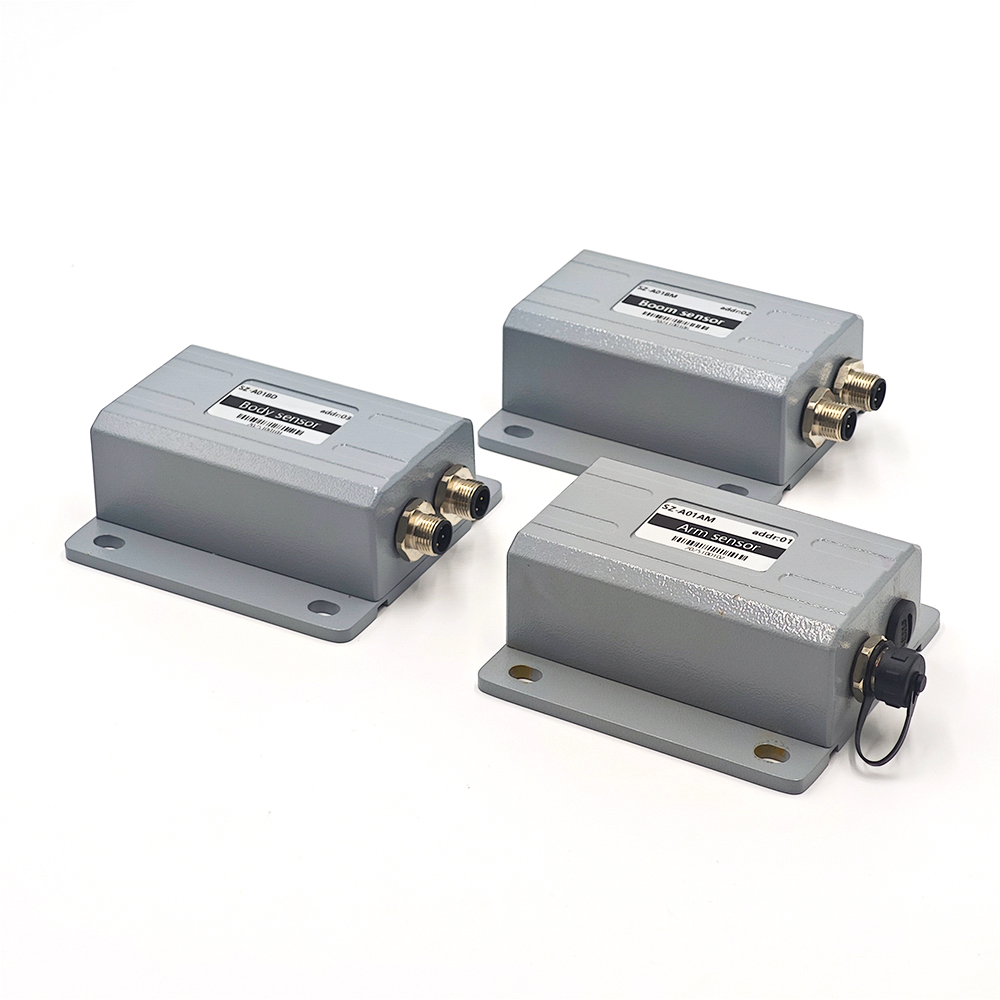
Picture Description
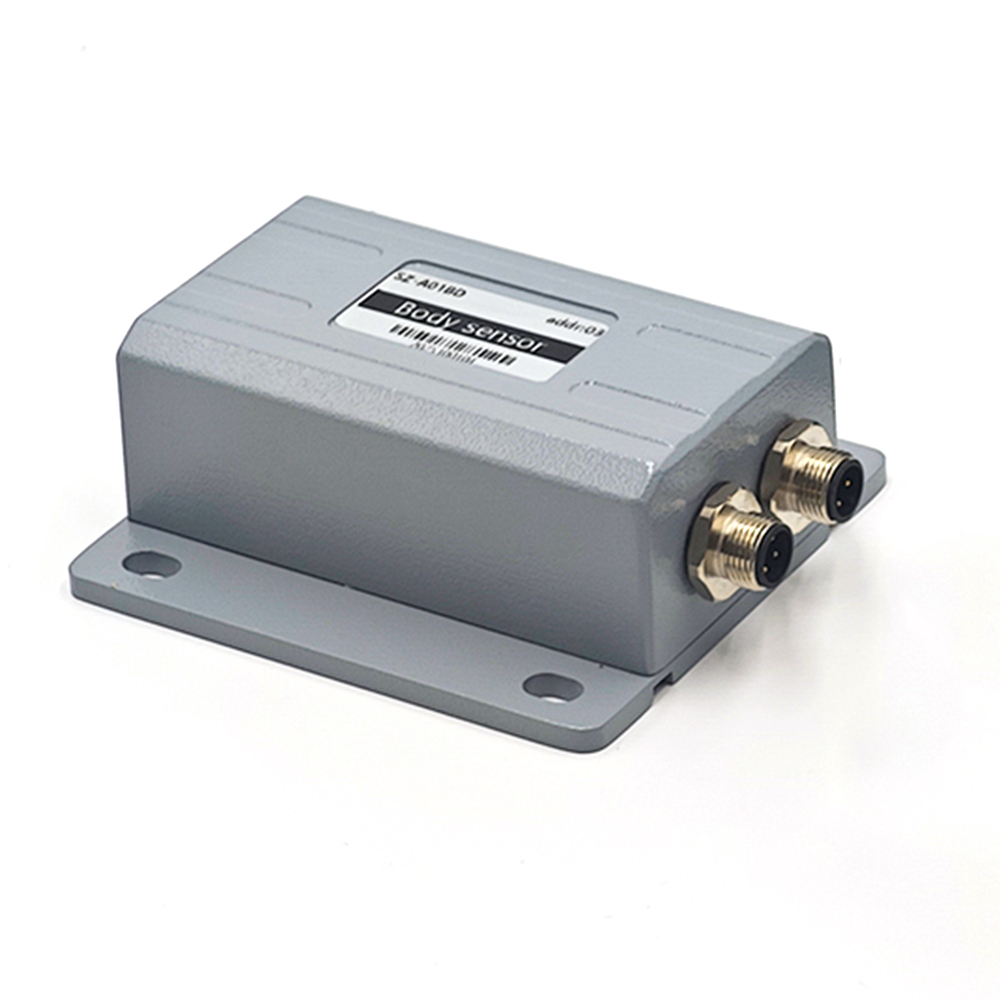
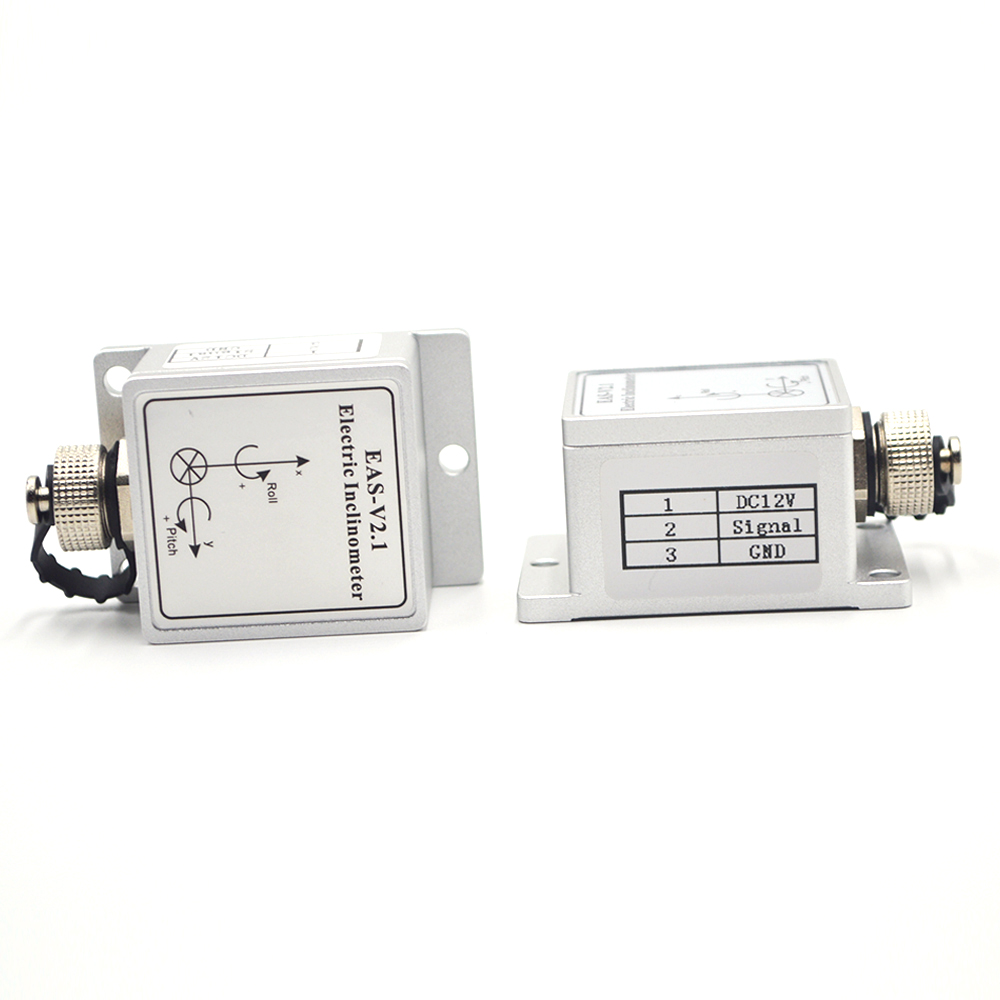
Introduction
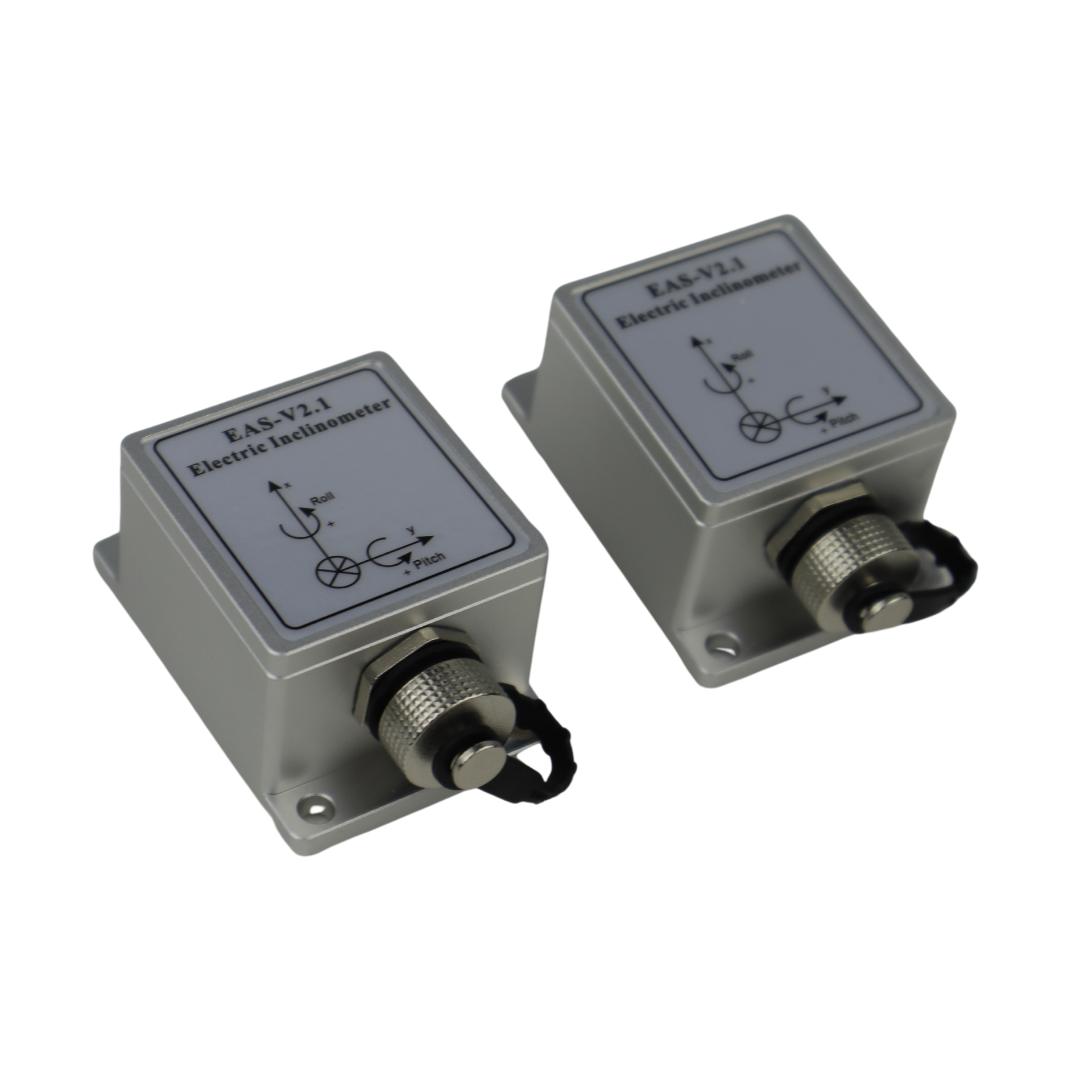
Tilt sensors, also called inclinometers, measure the angle of an object relative to Earth’s gravity. They are widely used in industries such as construction, automotive, aerospace, robotics, and consumer electronics to monitor orientation, slope, and inclination.
Working Principle
Tilt sensors detect changes in angular position by measuring the effect of gravity on internal components. Common sensing mechanisms include:
Pendulum-based (Mechanical): Uses a weighted pendulum that tilts with inclination.
MEMS (Micro-Electro-Mechanical Systems): Relies on capacitive or piezoresistive elements to detect gravity-induced movement.
Electrolytic (Liquid-based): Measures changes in conductivity due to fluid displacement.
Optical: Uses light beams and photodetectors to determine tilt angles.
MEMS (Micro-Electro-Mechanical Systems): Relies on capacitive or piezoresistive elements to detect gravity-induced movement.
Electrolytic (Liquid-based): Measures changes in conductivity due to fluid displacement.
Optical: Uses light beams and photodetectors to determine tilt angles.
Parameters
|
Power Supply
|
9-36V DC
|
|
Outputs
|
Current output, voltage output, RS232, RS485
|
|
Response frequency (Hz)
|
5, 15, 35, and 50 Hz available
|
|
Measuring range
|
±10 degrees to ±90 degrees
|
|
Resolution
|
0.05°
|
|
Absolute accuracy
|
0.1°
|
|
Response time
|
0.02s
|
|
Protection
|
IP67
|
Key Applications
Construction & Civil Engineering: Monitoring structural tilt in bridges, buildings, and dams.Automotive & Transportation: Stability control, rollover detection, and vehicle leveling.
Robotics & Drones: Balancing and orientation control.
Industrial Machinery: Ensuring proper alignment in heavy equipment.
Cases