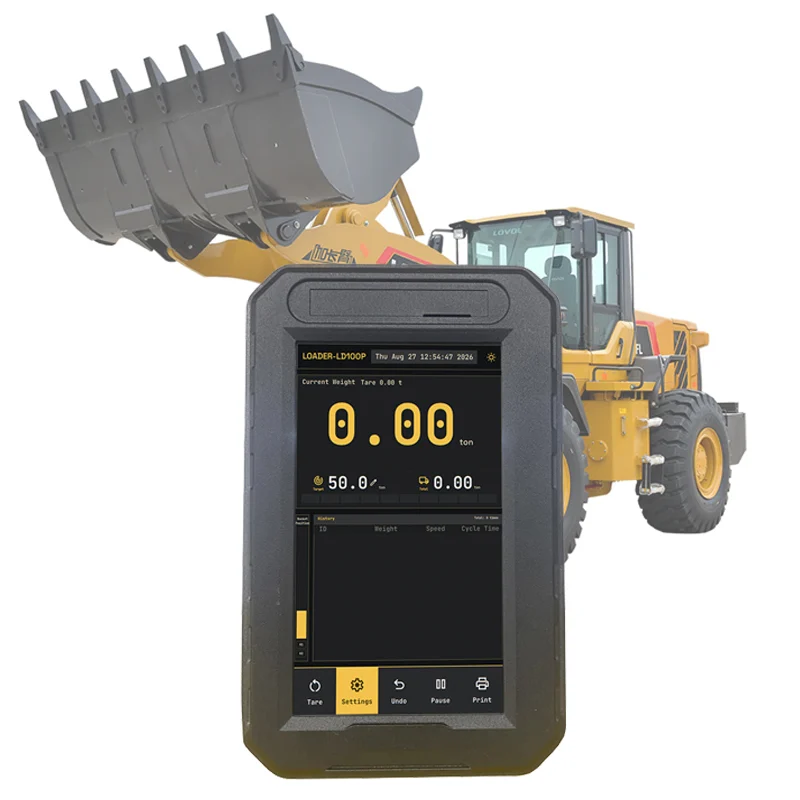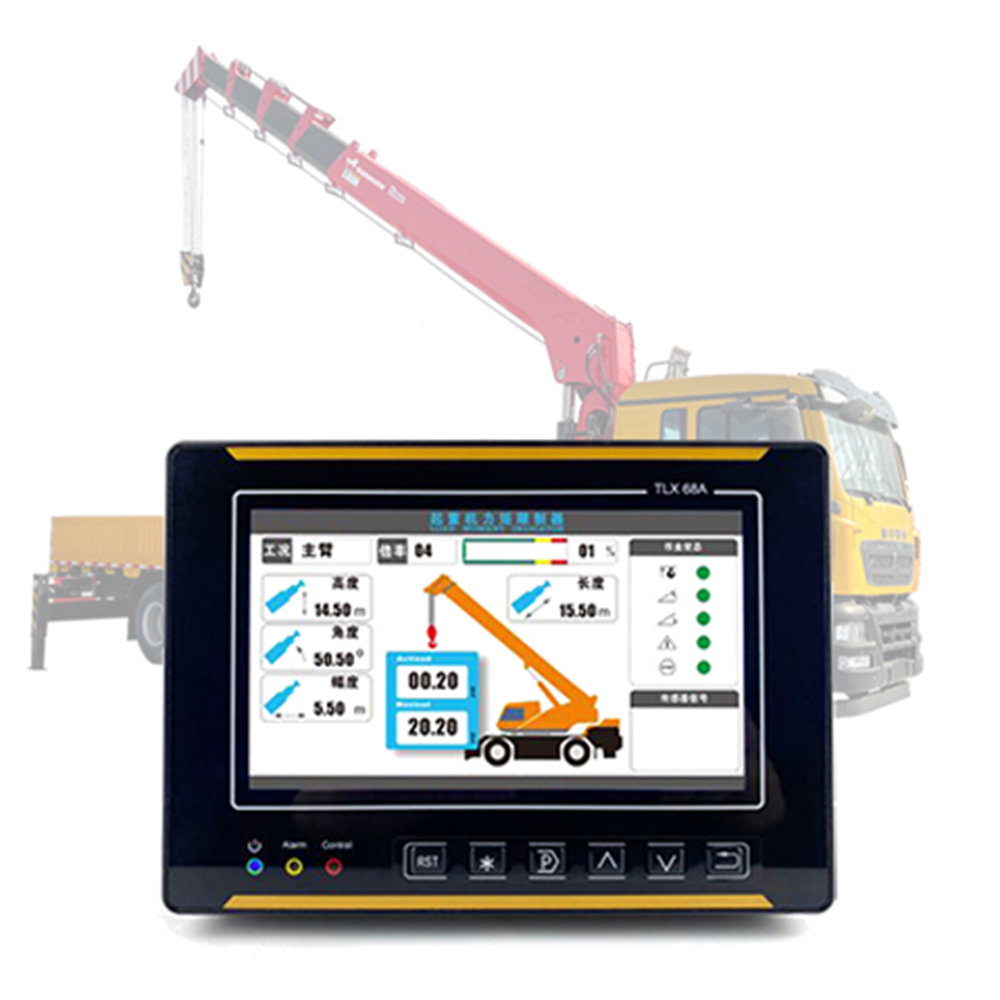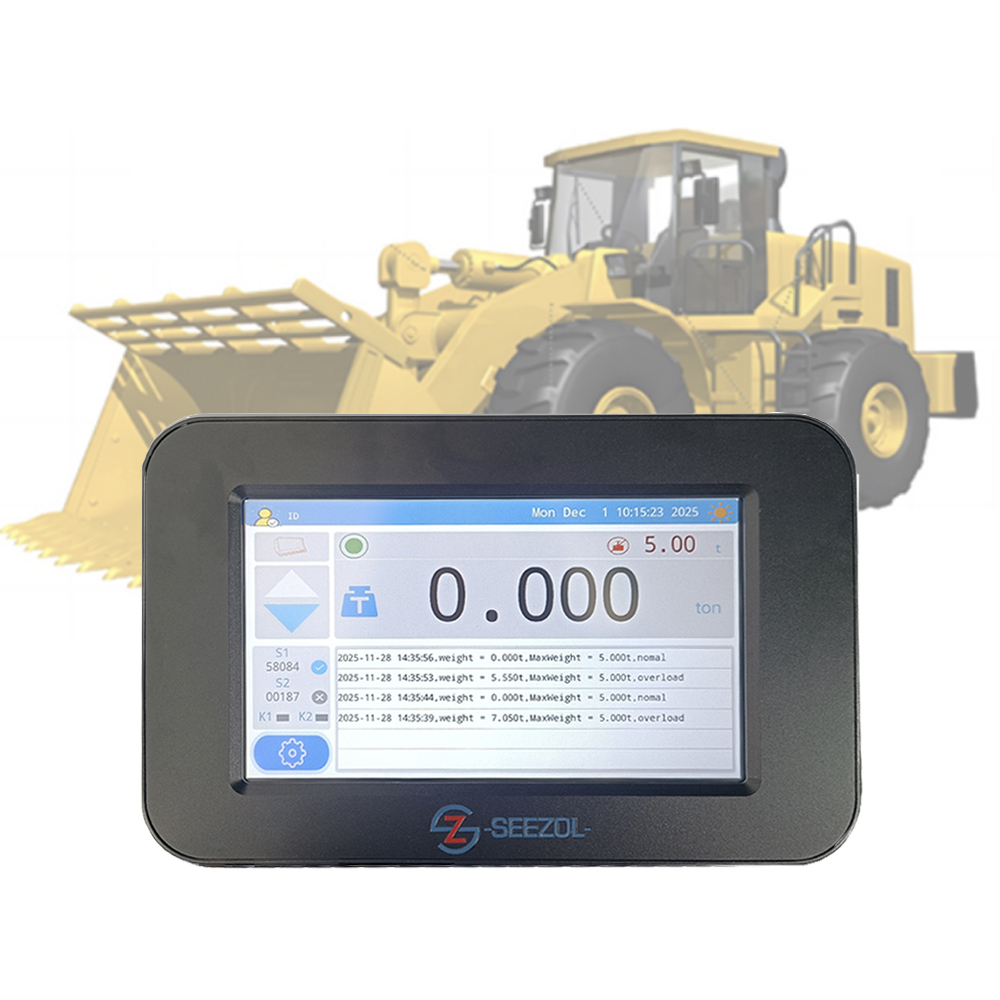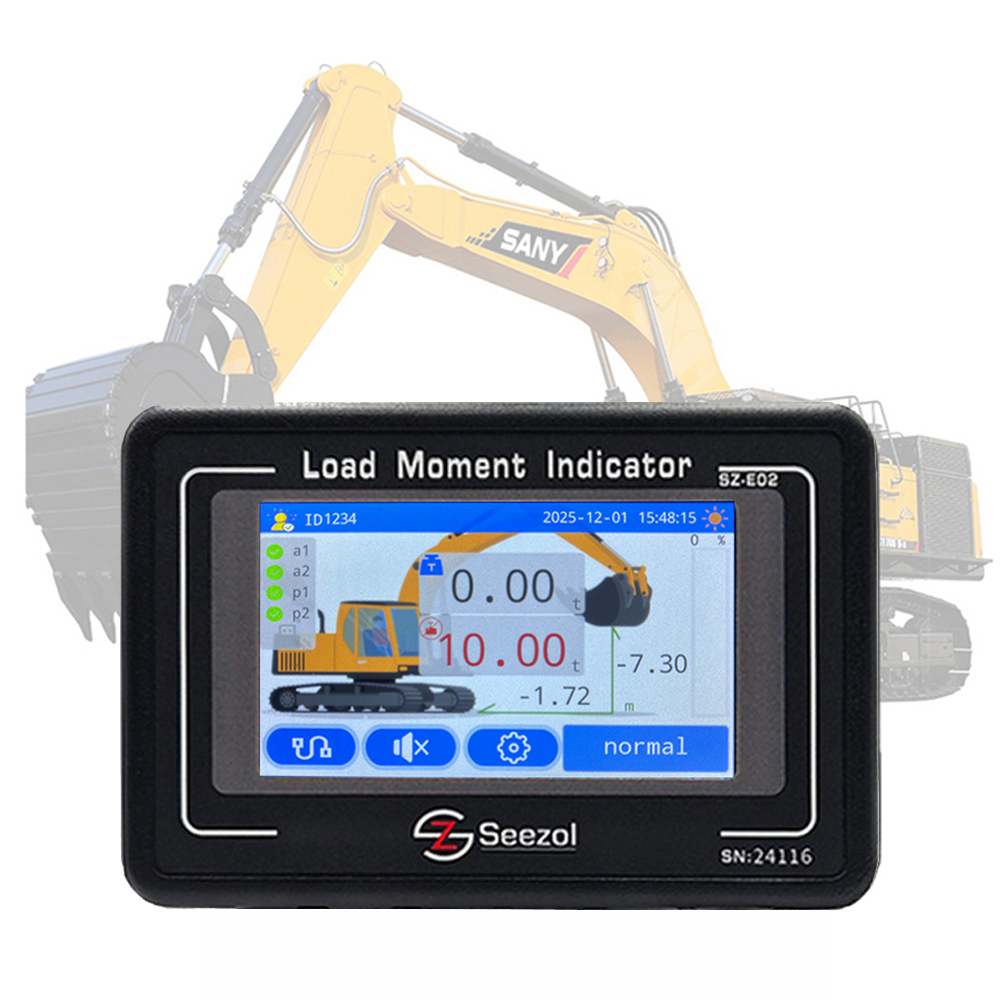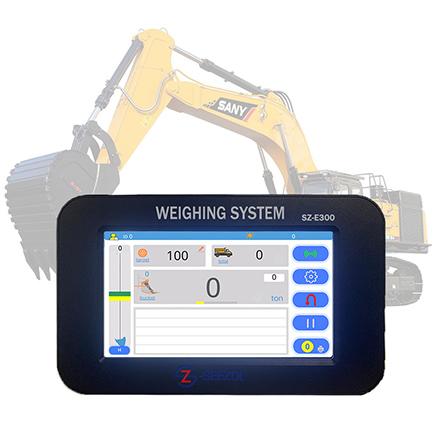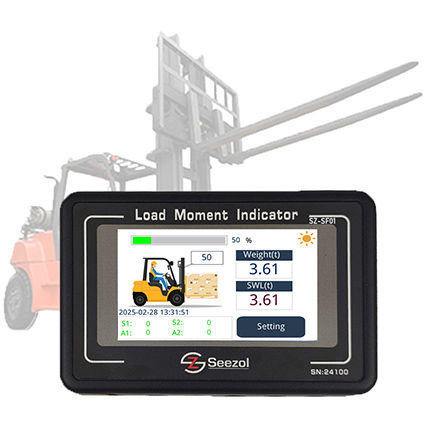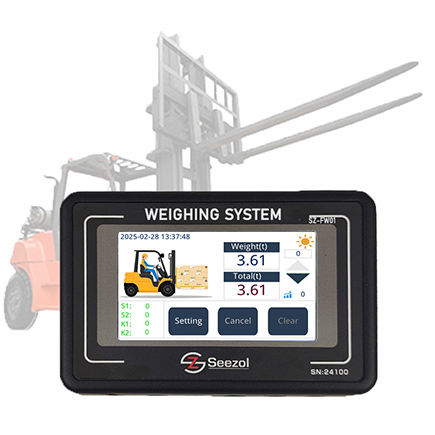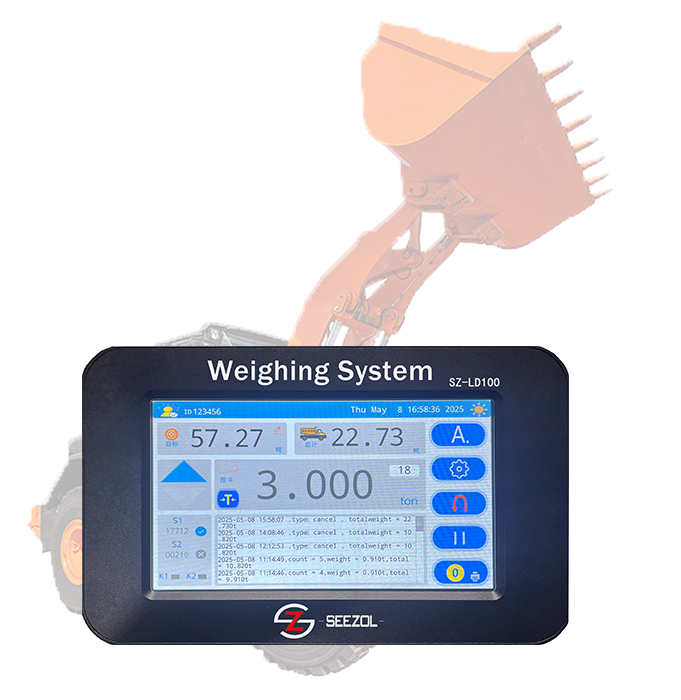
Являясь «мозгом» крупномасштабного инженерного оборудования, ядро системы индикатор грузового момента крана В основе этого лежит точное измерение нагрузки и амплитуды. Основой этого являются различные датчики и их строгие числовые показатели. В сложных подъемных операциях датчики должны не только выдерживать сильные механические вибрации и перепады температуры, но и выдавать точные данные в течение миллисекунд, чтобы предотвратить опрокидывание. Поэтому углубленный анализ ключевых числовых значений широко используемых датчиков длины, давления и угла в индикаторах момента нагрузки имеет решающее значение для понимания логики безопасности оборудования и повышения точности мониторинга.
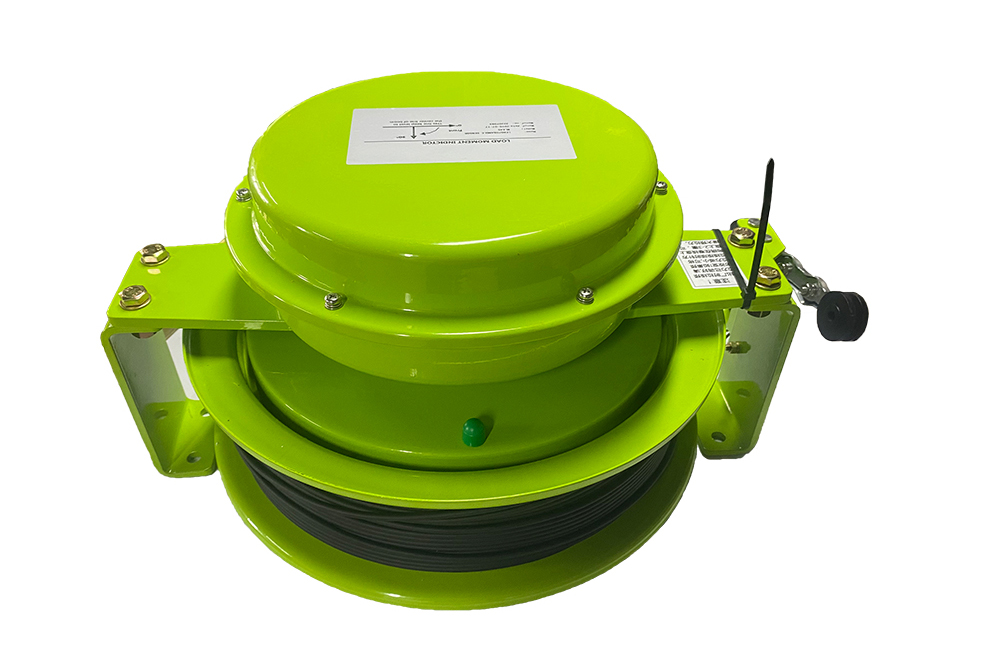
Датчики длины являются основными компонентами для расчета рабочей амплитуды крана. В настоящее время на рынке преобладают решения на основе потенциометров, проволочных энкодеров и импульсных энкодеров. Среди них потенциометры имеют простую конструкцию, но их вычислительные характеристики ограничены сроком службы и точностью. Диапазон изменения выходного сопротивления обычно составляет от 0 до 5 килоом, а линейная точность часто составляет около ±0,5%. Кроме того, механический износ может вызывать дрейф сопротивления. В сравнении с ними, проволочные энкодеры обеспечивают превосходные вычислительные характеристики с разрешением до 0,1 мм и выше, повторяемостью, контролируемой в пределах ±0,05%, и выходными сигналами, как правило, в стандартном диапазоне 4-20 мА или 0-10 В, что значительно повышает помехоустойчивость. Для крупных вездеходных кранов предпочтительным выбором являются импульсные энкодеры благодаря их высокой надежности, при этом частота импульсов на оборот (PPR) обычно составляет от 1000 до 2500. Это означает, что даже мельчайшие смещения во время выдвижения и втягивания стрелы могут быть преобразованы в точные цифровые импульсы, что обеспечивает контроль ошибок расчета амплитуды на уровне сантиметров.
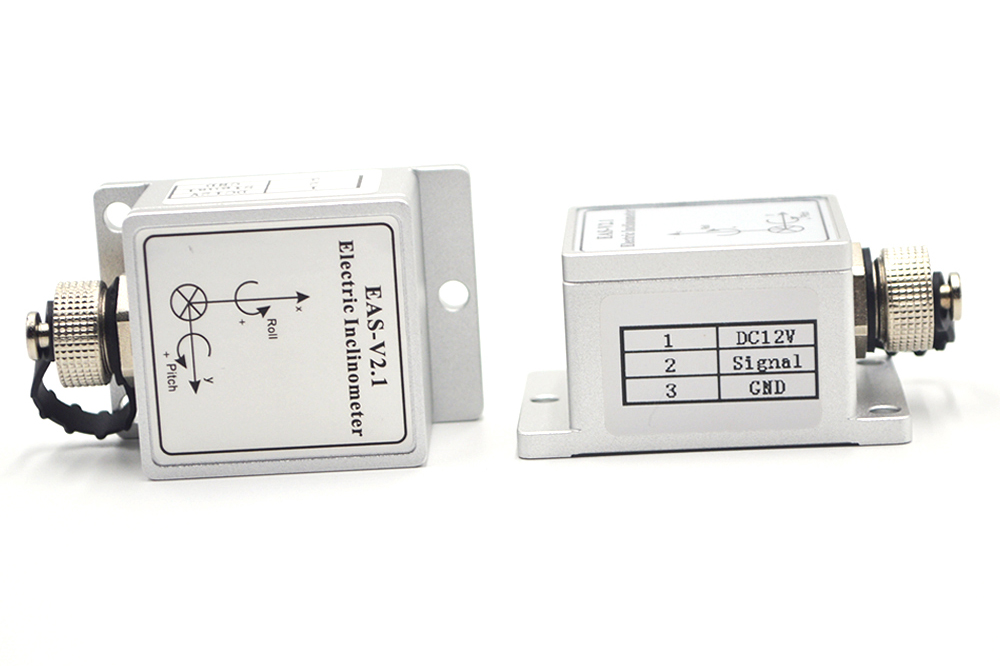
Датчики угла наклона контролируют угол подъема стрелы, напрямую определяя выбор кривой номинальной нагрузки. В настоящее время наиболее распространены двухкоординатные датчики наклона, основными числовыми показателями которых являются диапазон измерения и точность. Как правило, эти датчики имеют диапазон измерения ±30 или ±60 градусов, достаточный для охвата всего диапазона углов подъема крана. Что касается точности, высококачественные датчики могут достигать точности измерения ±0,1 градуса Цельсия в диапазоне от 0 до 40 градусов Цельсия, и даже после температурной компенсации точность может сохраняться в пределах ±0,2 градуса Цельсия во всем диапазоне температур (от -40 до 85 градусов Цельсия). Это значение имеет решающее значение, поскольку в условиях длинной стрелы ошибка в 0,1 градуса угла может привести к отклонению на десятки сантиметров в горизонтальном положении конца стрелы, что повлияет на точность расчета момента. Кроме того, ключевым показателем является время отклика, которое обычно составляет менее 100 миллисекунд, что гарантирует способность системы фиксировать изменения угла в реальном времени во время быстрого изменения угла наклона стрелы.
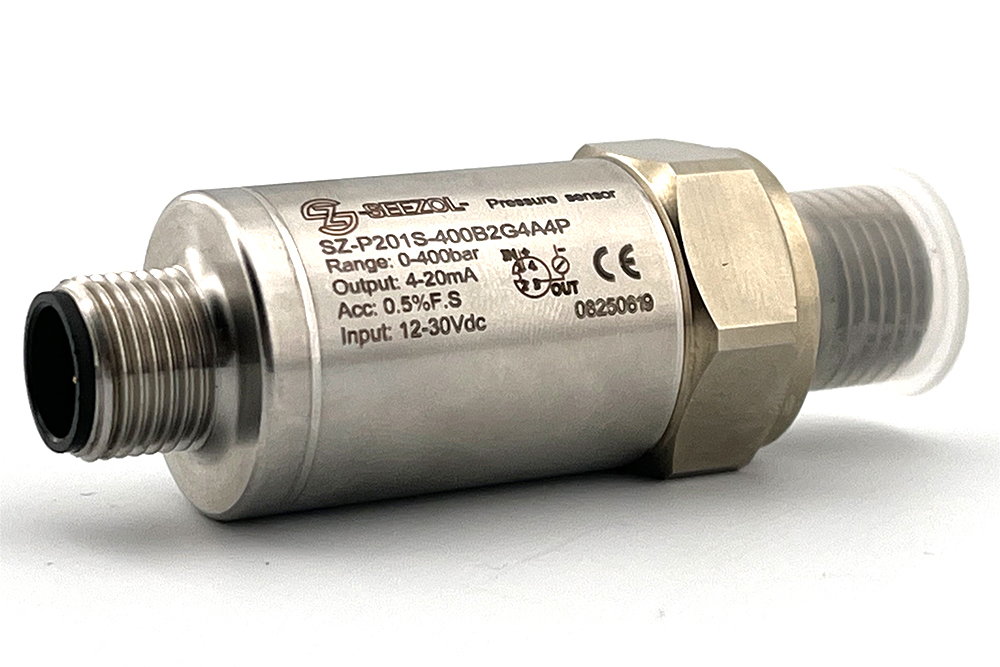
Датчики давления в основном используются для определения веса груза путем измерения давления масла в гидравлическом цилиндре и имеют решающее значение для индикаторов момента нагрузки, позволяя получать сигнал «силы». Тензометрические датчики давления широко используются благодаря их высокой перегрузочной способности, а их диапазон обычно устанавливается в зависимости от тоннажа крана, например, 25 МПа, 40 МПа или 60 МПа. С точки зрения точности, в промышленных приложениях обычно требуется общая точность лучше, чем ±0,5% от полной шкалы, в то время как в высокоточных приложениях требуется ±0,25% от полной шкалы. Помимо статической точности, чувствительность и стабильность выходного сигнала датчиков давления одинаково важны. Обычно чувствительность составляет 2 мВ/В. В сочетании с высокоточным модулем АЦП он может эффективно идентифицировать мельчайшие колебания давления в гидравлической системе. Одновременно, чтобы справиться с резкими изменениями температуры гидравлического масла, дрейф температуры нулевой точки датчика должен контролироваться в пределах ±0,02% от полной шкалы/°C, а дрейф температуры полной шкалы — в пределах ±0,03% от полной шкалы/°C. В противном случае, после длительной эксплуатации, приводящей к повышению температуры масла, индикатор момента нагрузки может выдавать ложные срабатывания или перестать работать.
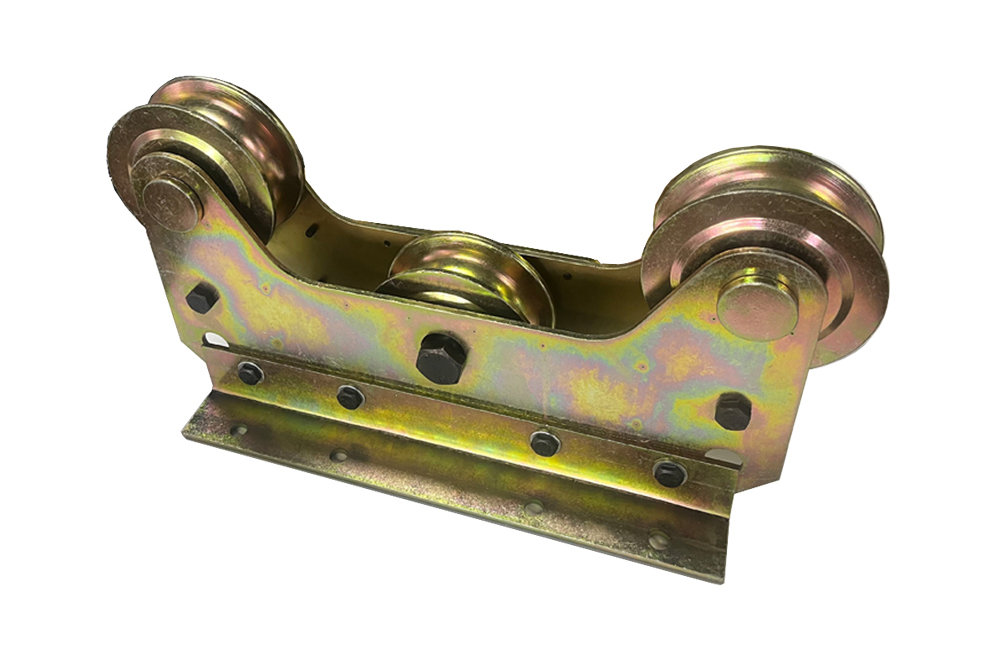
Датчики натяжения являются основными измерительными устройствами в системах индикации момента нагрузки крана, непосредственно контролирующими подъемную нагрузку. Они в основном используются для сбора данных о рабочем натяжении троса в режиме реального времени, точно отражая фактический вес груза и эффективно компенсируя ошибки расчета косвенного измерения нагрузки с помощью датчиков давления. Являясь ключевыми компонентами для повышения точности контроля момента и предотвращения перегрузок, они широко используются в различных мобильных и башенных кранах. В настоящее время основными областями применения в отрасли являются колесные датчики натяжения и консольные балочные датчики натяжения, которые подходят для сложных условий эксплуатации, таких как динамический подъем, изменение стреловидности и поворот кранов, и обладают превосходной ударопрочностью и износостойкостью. Диапазон измерения может быть точно подобран в соответствии с тоннажностью крана, обычно охватывая такие распространенные значения, как 5 т, 10 т, 20 т и 50 т. Для крупных инженерных кранов могут быть адаптированы модели большой грузоподъемности в сотни тонн, что позволяет всесторонне охватить различные диапазоны нагрузок при подъеме. Что касается основных показателей точности, то промышленный крановый датчик натяжения обладает статической комплексной точностью ±0,3% от полной шкалы и может стабильно поддерживать точность измерения ±0,5% от полной шкалы в сложных динамических условиях эксплуатации, полностью соответствуя строгим стандартам расчета момента. По скорости отклика, динамическое время отклика датчика составляет менее 80 миллисекунд, что позволяет ему за миллисекунды фиксировать внезапные изменения натяжения во время подъема, колебаний нагрузки и поворотов стрелы, а также синхронизировать данные о работе оборудования в реальном времени. Кроме того, для адаптации к суровым условиям эксплуатации на открытом воздухе, таким как высокие и низкие температуры, вибрация и пыль, диапазон рабочих температур датчика составляет от -35℃ до 75℃, при этом дрейф нулевой точки контролируется в пределах ±0,03% от полной шкалы/℃. Он обладает превосходной температурной стабильностью и помехоустойчивостью, а также выдает единый стандартный сигнал 4-20 мА, что обеспечивает точную совместимость с системами индикации момента нагрузки. Благодаря двойной проверке данных с использованием прямого измерения нагрузки и гидравлического измерения нагрузки, надежность мониторинга безопасности работы крана значительно повышается.
Вкратце, эффективность индикатора момента нагрузки крана определяется не одним компонентом, а скоординированной работой числовых показателей четырех типов датчиков: длины, угла, давления и натяжения. От высокоточных проволочных энкодеров и датчиков давления с чрезвычайно низким температурным дрейфом до высокочувствительных датчиков угла и динамически стабильных датчиков натяжения — каждое значение представляет собой предельное стремление к безопасности. В практических приложениях только полное понимание и согласование диапазона, точности, разрешения и температурных характеристик этих датчиков позволяет создать действительно надежную систему ограничения крутящего момента, обеспечивающую надежную гарантию безопасности при каждом подъеме крупногабаритного оборудования.