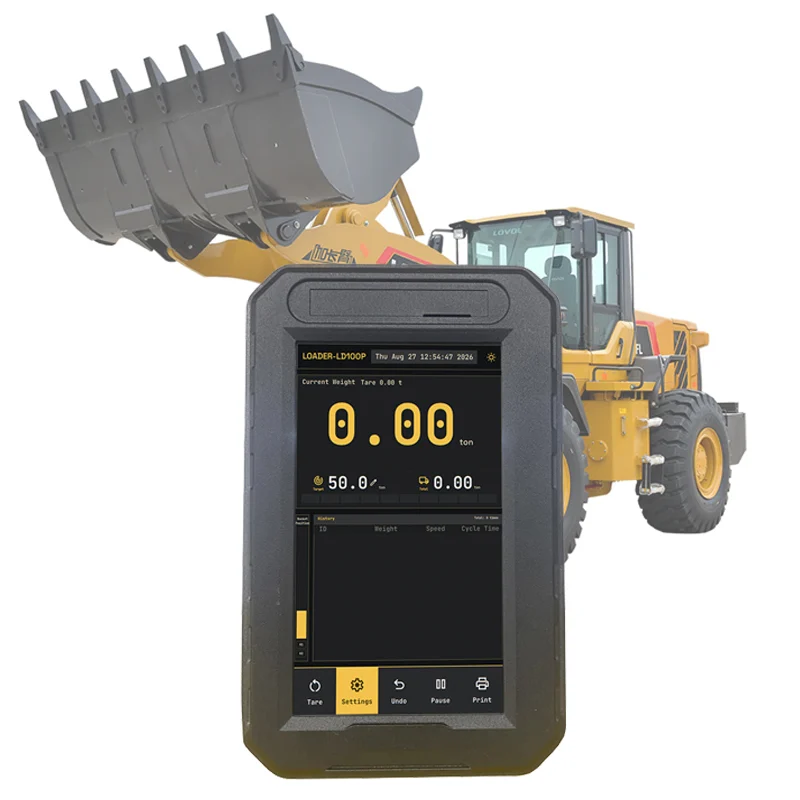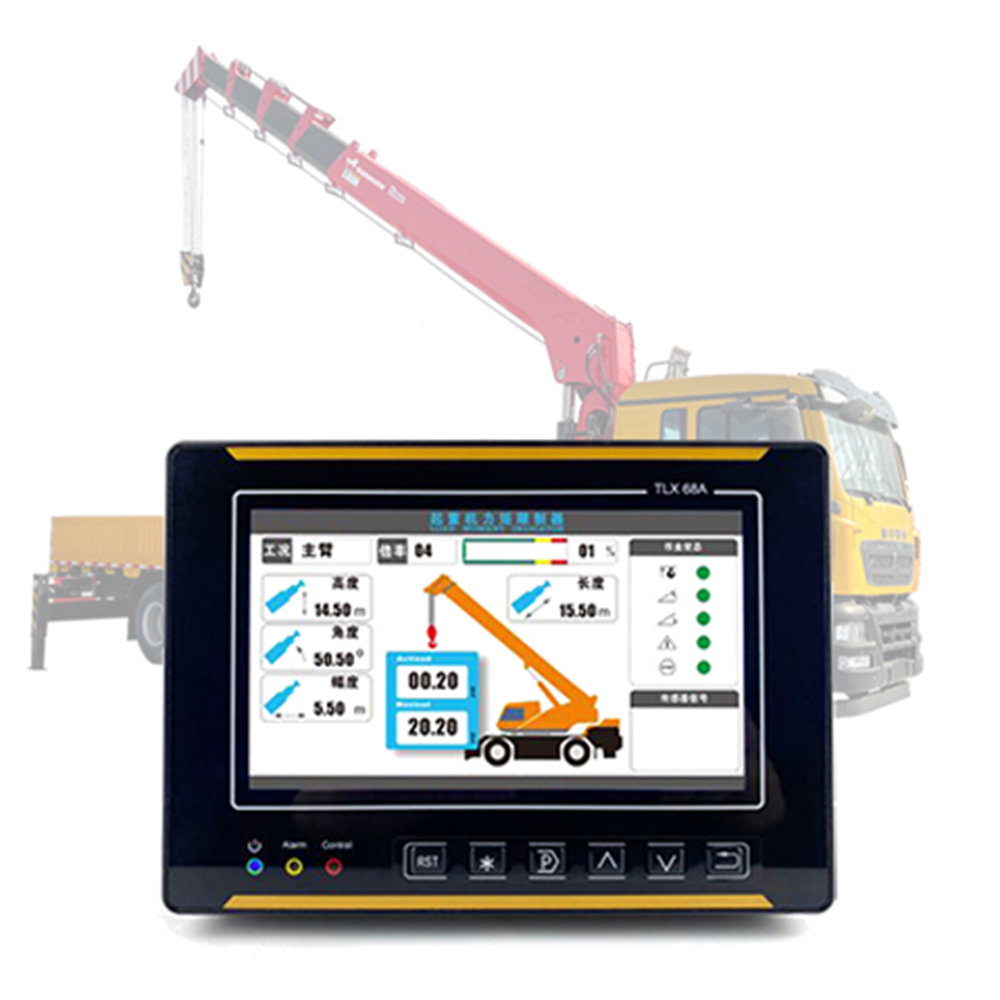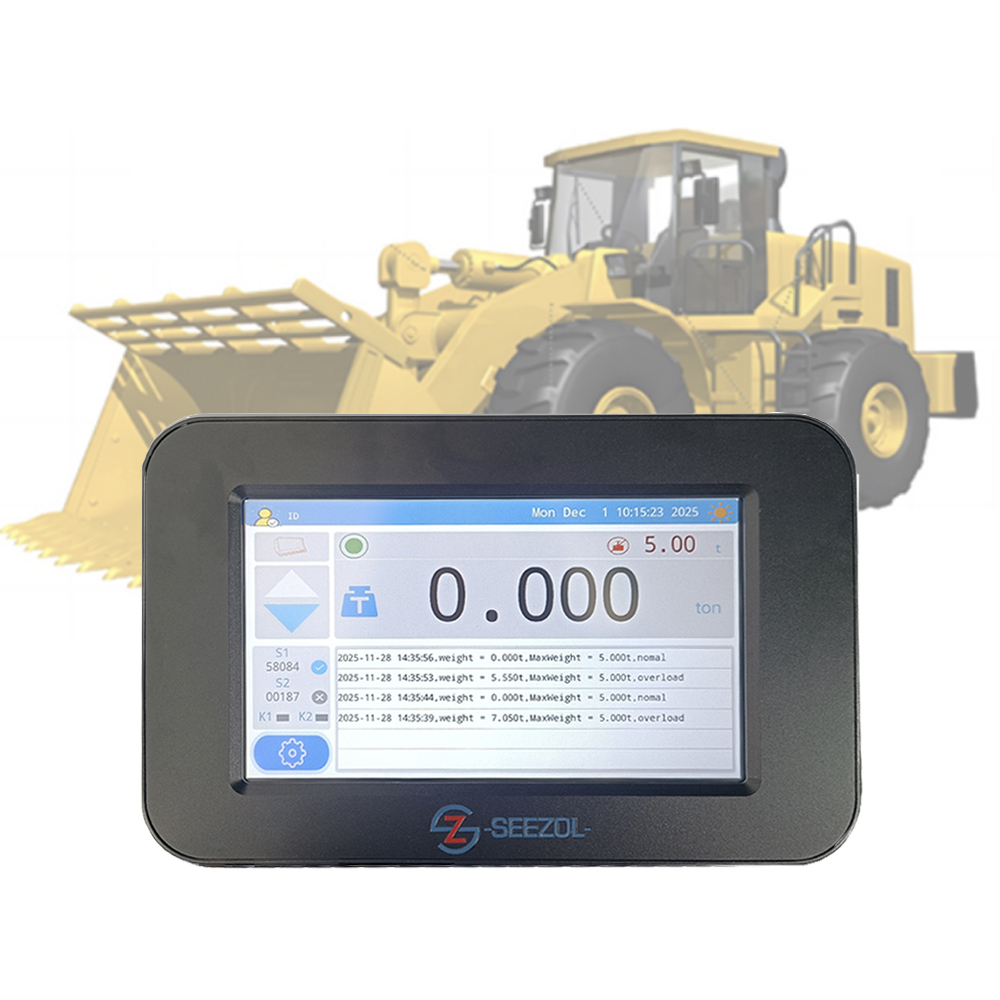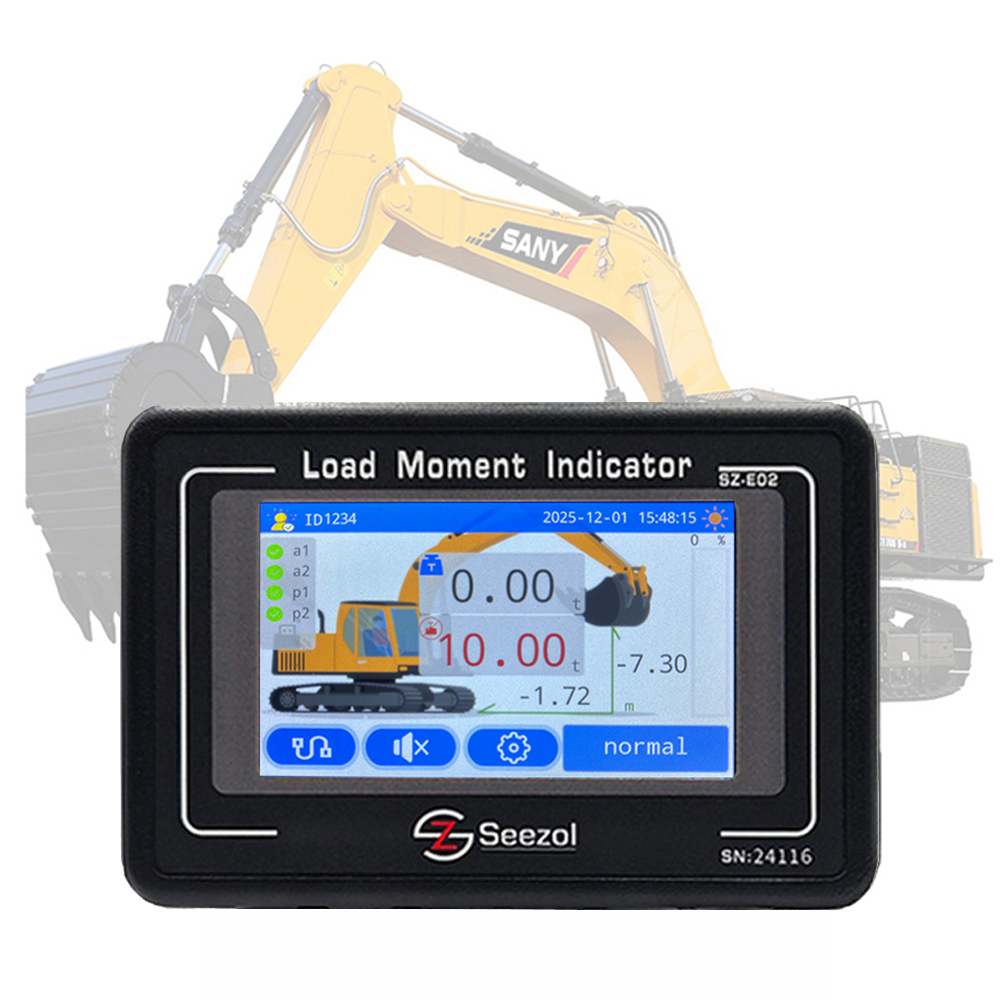
Un indicador de momento de carga fiable es uno de los sistemas de seguridad más importantes para grúas, excavadoras, carretillas elevadoras y otros equipos de elevación. En la construcción, la minería, la logística, los puertos y los proyectos industriales, los operarios necesitan información en tiempo real sobre el peso de la carga, el radio de trabajo, el ángulo de la pluma, la altura de elevación y el riesgo de sobrecarga.
SeeZoL desarrolla y suministra soluciones prácticas de indicadores de carga y de carga segura para maquinaria pesada utilizada en entornos laborales exigentes en Oriente Medio, el Sudeste Asiático y Sudamérica. Nuestros sistemas están diseñados para ayudar a los operarios a trabajar dentro de los límites de seguridad, reducir los riesgos de sobrecarga y optimizar la gestión de los equipos.
¿Qué es un indicador de momento de carga?
Un indicador de momento de carga (LMI, por sus siglas en inglés) es un sistema de monitoreo de seguridad que calcula la condición de elevación de una máquina en tiempo real. En el caso de las grúas, el sistema generalmente monitorea el peso de la carga, el ángulo de la pluma, la longitud de la pluma, el radio de trabajo y la capacidad de elevación nominal. Cuando la máquina se acerca o supera el rango de trabajo seguro, el sistema emite alarmas visuales y sonoras.
Para muchas aplicaciones de elevación, un indicador de nivel de carga (LMI) es más avanzado que un simple indicador de carga, ya que no solo muestra el peso, sino que también ayuda a determinar si la máquina está funcionando de forma segura en las condiciones de trabajo actuales.
Un sistema LMI típico puede incluir:
– Unidad de visualización o pantalla HMI
– Sensores de presión hidráulica
– Sensor de ángulo de la pluma
– Sensor de longitud de la pluma
– Unidad de control
– Alarma sonora y visual
– Función de registro de datos
Indicador de carga vs. Indicador de carga segura vs. Indicador de momento de carga
Un indicador de carga suele mostrar la carga o el peso real que maneja el equipo. Resulta útil para los operarios que necesitan información sencilla sobre el peso en tiempo real.
Un indicador de carga segura (SLI, por sus siglas en inglés) supervisa si la carga se encuentra dentro del rango de seguridad preestablecido. Cuando la carga alcanza el límite de advertencia, alerta al operador.
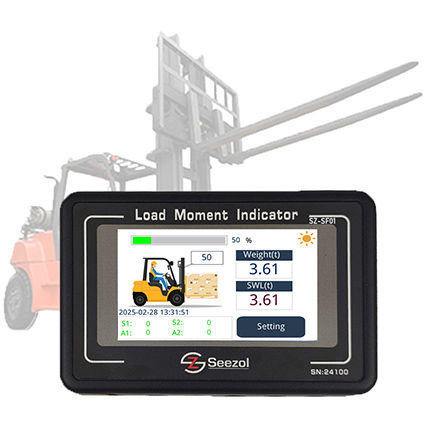
Un indicador de momento de carga proporciona un cálculo de seguridad más completo. Considera la carga, el ángulo de la pluma, el radio de trabajo y la tabla de capacidad nominal. Esto lo hace especialmente adecuado para grúas montadas sobre camión, grúas móviles, excavadoras de elevación y otras máquinas cuyo radio de trabajo varía durante su funcionamiento.
Indicador de momento de carga de grúa
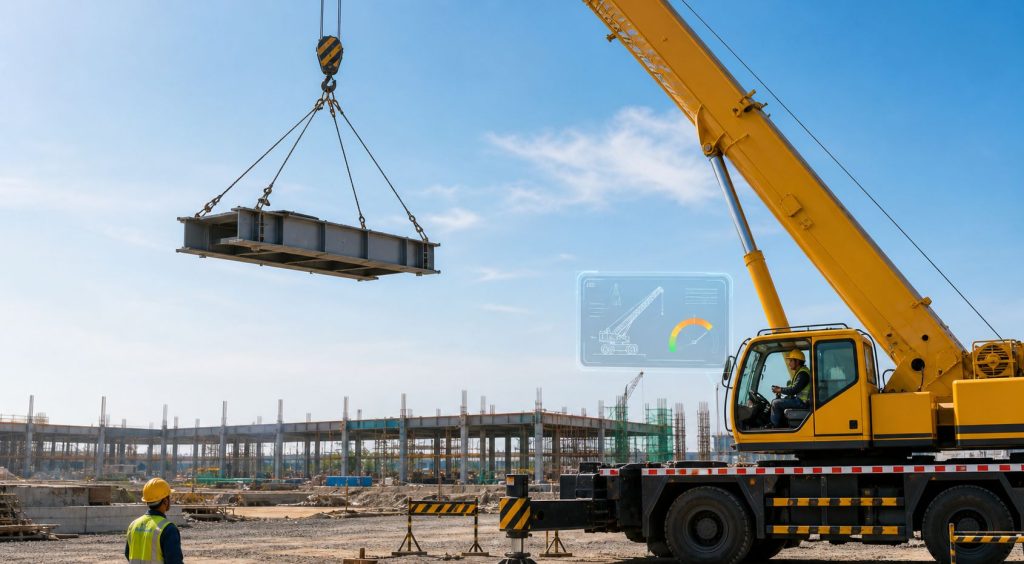
Un indicador de momento de carga para grúas está diseñado para ayudar a prevenir sobrecargas y vuelcos durante las operaciones de elevación. En grúas montadas sobre camión y grúas móviles, la capacidad de elevación varía según la longitud de la pluma, el ángulo de la pluma y el radio de trabajo. El operador necesita datos precisos, no conjeturas.
Los sistemas LMI de grúas SeeZoL pueden mostrar información como:
– Carga real
– Capacidad de elevación nominal
– Longitud de la pluma
– Ángulo de la pluma
– Radio de trabajo
– Altura de elevación
– Advertencia de sobrecarga
– Registros de alarma
El sistema ayuda a los operarios a comprender las condiciones actuales de elevación y a reaccionar antes de que el equipo entre en un rango de funcionamiento peligroso.
Indicador de momento de carga de grúa de camión
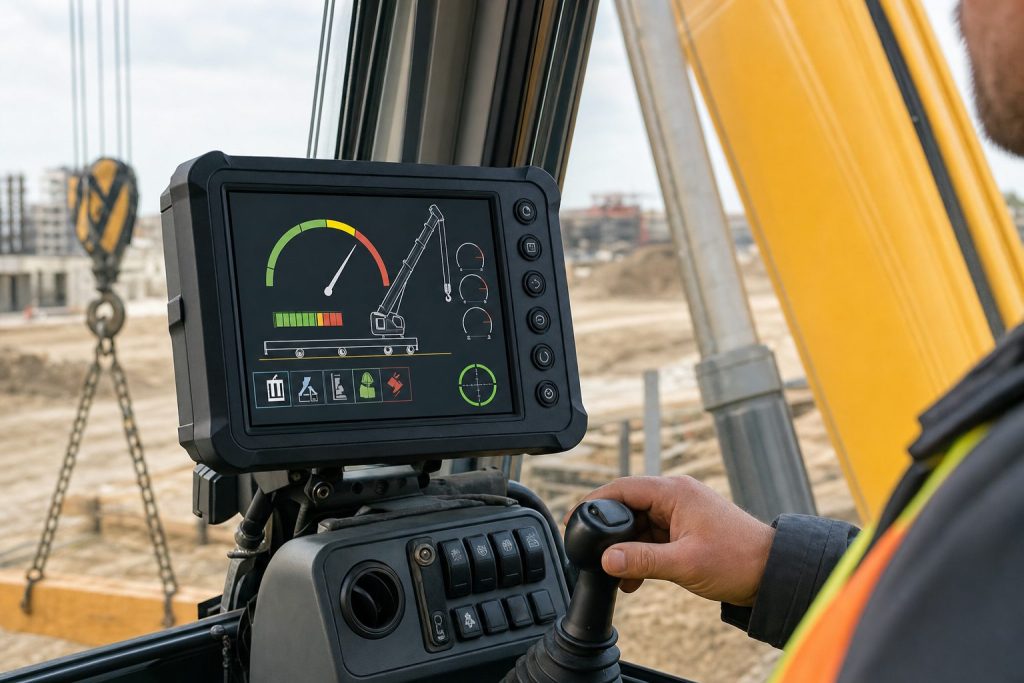
Un indicador de momento de carga para grúas montadas sobre camión es especialmente importante en proyectos de construcción, infraestructura, petróleo y gas, transporte y mantenimiento. Las grúas montadas sobre camión suelen desplazarse entre diferentes lugares de trabajo, donde las condiciones del terreno, los ángulos de elevación y los tipos de carga pueden variar con frecuencia.
SeeZoL ofrece soluciones LMI para grúas sobre camión con funciones prácticas como fácil instalación, visualización en tiempo real, aviso de sobrecarga, alarma sonora y registro de datos. El sistema es compatible con numerosos modelos de grúas sobre camión y se puede adaptar a las necesidades de cada proyecto.
Las especificaciones técnicas típicas incluyen un amplio rango de voltaje de entrada, protección IP65, temperatura de funcionamiento de -20 °C a +70 °C y una precisión combinada diseñada para uso en campo.
Indicador del momento de carga de la excavadora
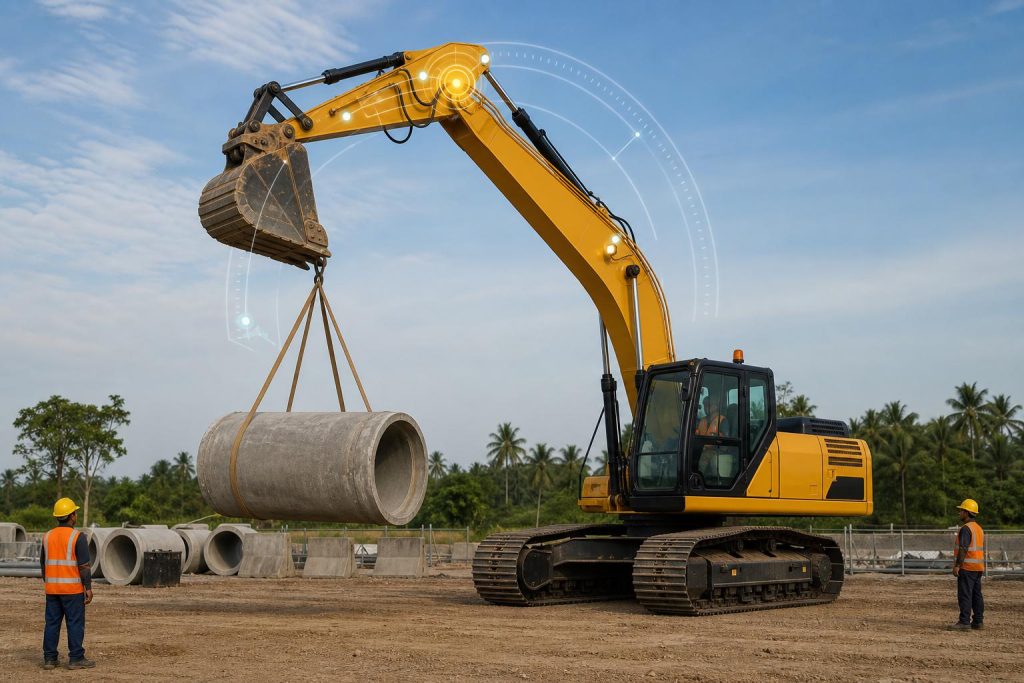
Las excavadoras se utilizan a menudo no solo para excavar, sino también para levantar tuberías, bloques, herramientas y materiales de construcción. Cuando se utiliza una excavadora para levantar objetos, la pantalla estándar de la máquina puede no proporcionar suficiente información de seguridad.
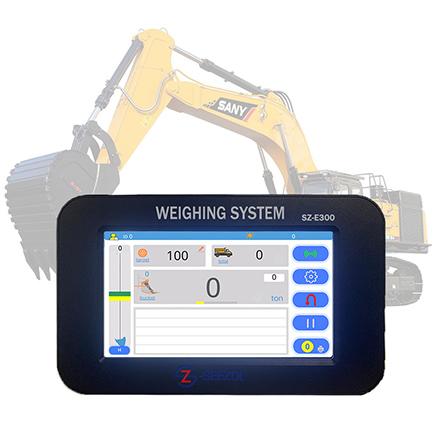
Un indicador de momento de carga para excavadoras permite monitorizar el peso, la altura, el radio y el estado de sobrecarga mediante sensores y una interfaz de visualización. Si la excavadora supera el rango de seguridad, el sistema alerta al operador.
Este tipo de “indicador de carga de excavadora” es útil para:
– Obras de construcción
– Proyectos de oleoductos
– Operaciones mineras
– Manipulación portuaria
– Carga de material
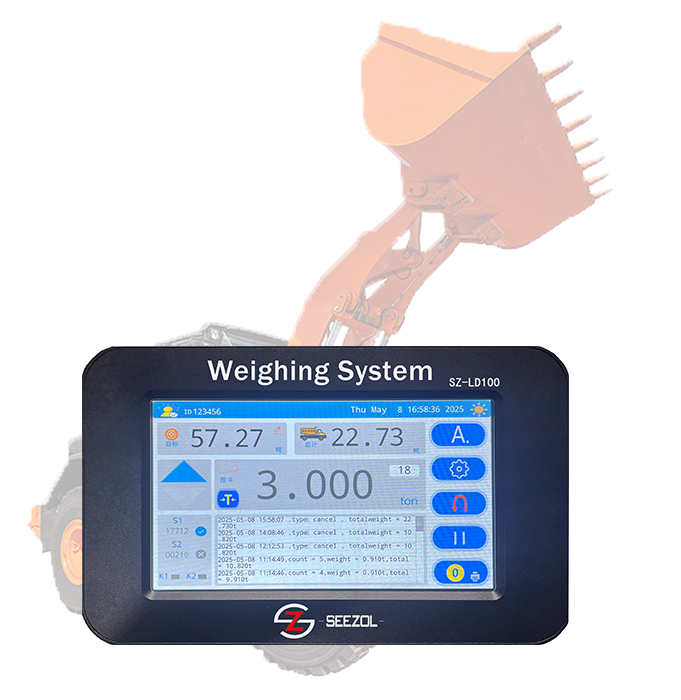
– Aplicaciones de pinzas y cargadoras
Para los contratistas que trabajan en entornos calurosos, polvorientos o con fuertes vibraciones, un indicador de carga segura estable puede ayudar a mejorar la gestión de la seguridad y reducir el riesgo operativo.
Indicador de carga de montacargas
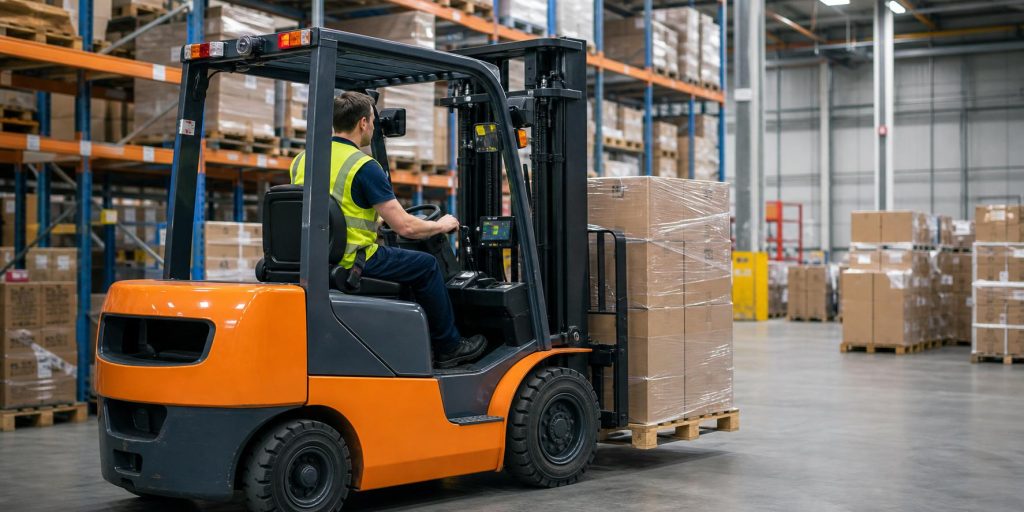
Las carretillas elevadoras se utilizan ampliamente en almacenes, puertos, fábricas, centros logísticos y patios de almacenamiento al aire libre. Sobrecargar una carretilla elevadora puede provocar inestabilidad, daños a la carga y riesgos para la seguridad.
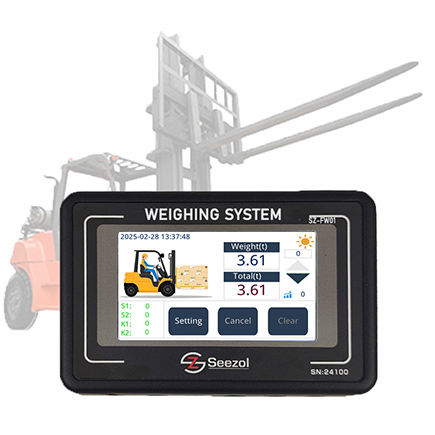
Un indicador de carga para montacargas permite al operador visualizar el estado actual de la carga y recibir alertas de sobrecarga. Los sistemas de indicadores de carga SeeZoL muestran el peso y el estado de las alarmas en una pantalla HMI. Cuando la carga supera el límite de seguridad, las alarmas sonoras y visuales alertan al operador para que tome medidas.
Este sistema es apto para carretillas elevadoras, cargadoras, pinzas y equipos de manipulación similares. Resulta especialmente útil para operaciones logísticas y de almacén en el sudeste asiático, Oriente Medio y Sudamérica, donde los equipos suelen trabajar largas jornadas en condiciones exigentes.
¿Por qué elegir los sistemas indicadores de carga de SeeZoL?
SeeZoL se especializa en soluciones de monitoreo de seguridad para maquinaria de construcción y equipos industriales. Nuestros productos están diseñados para satisfacer las necesidades reales de las obras, ofreciendo facilidad de instalación, rendimiento estable de los sensores, visualización clara y una lógica de alarma práctica.
Entre las principales ventajas se incluyen:
– Monitoreo de carga en tiempo real
– Advertencia de sobrecarga sonora y visual
– Configuración del sistema personalizable
– Cálculo de seguridad basado en sensores
– Registro de datos para eventos de sobrecarga
– Protección IP65 para entornos exteriores
– Amplio rango de temperatura de funcionamiento
– Soporte para grúas, excavadoras, carretillas elevadoras y cargadoras.
– Soporte técnico para socios regionales y usuarios del proyecto.
Aplicaciones en Oriente Medio, el Sudeste Asiático y Sudamérica
La maquinaria pesada en estas regiones suele operar en entornos de altas temperaturas, polvorientos, húmedos o remotos. Los sistemas de seguridad deben ser duraderos, fáciles de operar y de mantenimiento sencillo.
Las soluciones de indicador de momento de carga e indicador de carga segura de SeeZoL son adecuadas para:
– Construcción de edificios
– Proyectos de carreteras y puentes
– Yacimientos mineros
– Proyectos de petróleo y gas
– Operaciones portuarias
– Patios logísticos
– Plantas de fabricación
– Flotas de alquiler de equipos
– Contratistas de infraestructura
Tanto si necesita un indicador de momento de carga para grúa, como un indicador de momento de carga para grúa montada sobre camión, un indicador de momento de carga para excavadora o un indicador de carga para carretilla elevadora, SeeZoL puede proporcionarle una solución práctica en función del tipo de máquina y las condiciones de trabajo.
Preguntas frecuentes
¿Cuál es la diferencia entre un indicador de carga y un indicador de momento de carga?
Un indicador de carga muestra principalmente el peso de la carga. Un indicador de momento de carga calcula la condición de elevación considerando el peso de la carga, el radio de trabajo, el ángulo de la pluma y la capacidad nominal. Para grúas y maquinaria de elevación, el LMI proporciona una monitorización de seguridad más completa.
¿Es adecuado un indicador de carga segura para carretillas elevadoras?
Sí. Se puede utilizar un indicador de carga segura en las carretillas elevadoras para controlar el estado de la carga y advertir al operador cuando la carga supera el límite de seguridad preestablecido.
¿Puede SeeZoL proporcionar sistemas LMI para diferentes máquinas?
Sí. SeeZoL proporciona sistemas de indicadores de momento de carga e indicadores de carga para grúas sobre camión, grúas móviles, excavadoras, carretillas elevadoras, cargadoras y otra maquinaria pesada.
¿Puede funcionar el sistema en ambientes exteriores calurosos?
Los sistemas SeeZoL están diseñados para condiciones de trabajo exigentes, con rangos de temperatura de funcionamiento de -20 °C a +70 °C y protección IP65 en modelos seleccionados.
¿Cómo elijo el sistema indicador de carga adecuado?
La mejor opción depende del tipo de máquina, la capacidad de elevación, el entorno de trabajo, los sensores necesarios y las funciones de seguridad. Para grúas, se suele recomendar un indicador de momento de carga máxima. Para carretillas elevadoras o equipos de elevación más sencillos, un indicador de carga segura o un indicador de carga normal puede ser suficiente.
¿Busca un indicador de momento de carga, un indicador de carga o un indicador de carga segura fiable para su maquinaria?
Contacte con SeeZoL para hablar sobre el modelo de su equipo, su capacidad de elevación y los requisitos de su proyecto. Le ayudaremos a elegir la solución más adecuada para grúas, grúas sobre camión, excavadoras, carretillas elevadoras y otra maquinaria pesada.