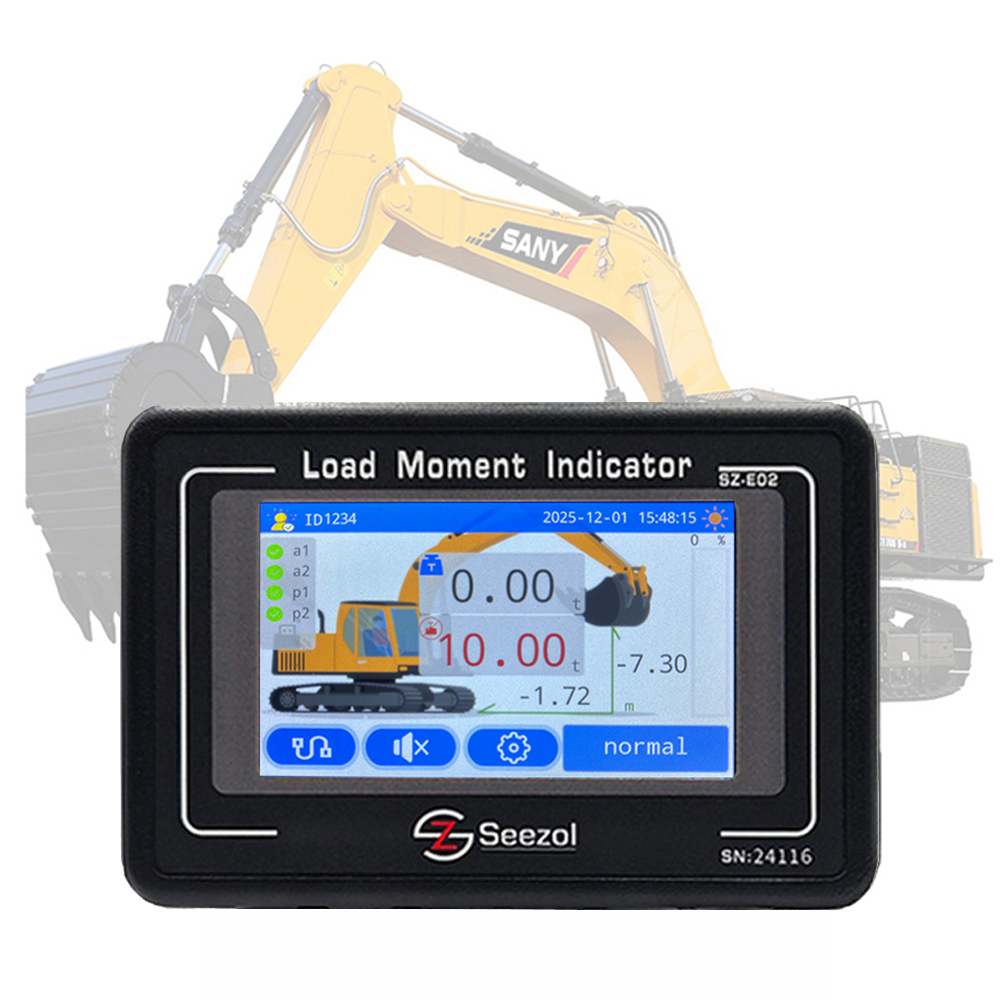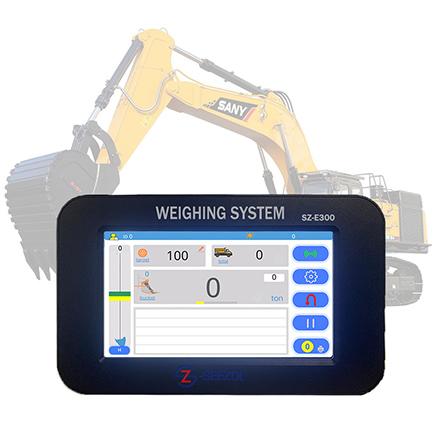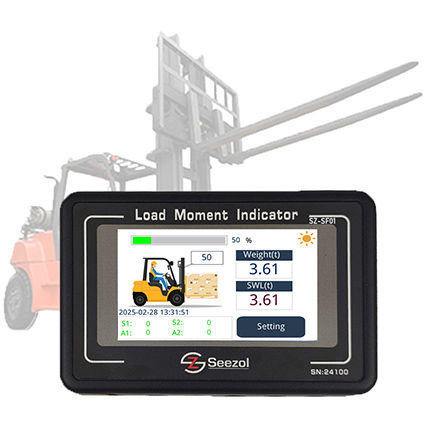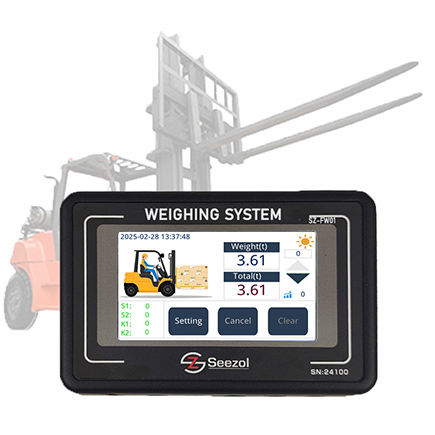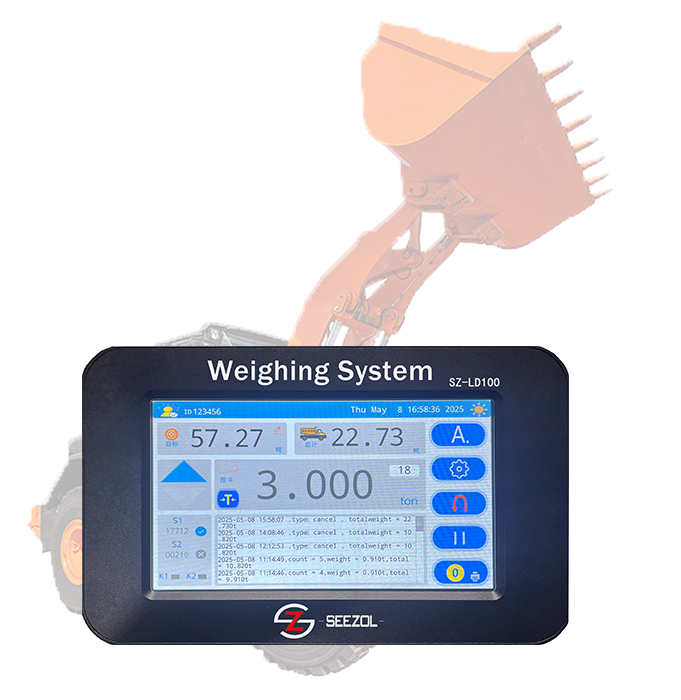
كفاءة أنظمة وزن الرافعات ذات العجلات يؤثر بشكل مباشر على تكاليف نقل المواد والاقتصاد التشغيلي، مما يتطلب تقييمًا شاملاً من ثلاثة أبعاد: كفاءة الوقت، ودقة القياس، واستهلاك الطاقة.
1. كفاءة الوقت
وقت الوزن الفردي: يستغرق القياس اليدوي التقليدي من 3 إلى 5 دقائق لكل مركبة، بينما تتطلب أنظمة الوزن الآلية 10 إلى 15 ثانية فقط، مما يحسن الكفاءة بأكثر من 12 مرة.
القدرة على التشغيل المستمر: تعمل تقنية الوزن الديناميكي على تمكين عمليات "التحميل والوزن والتفريغ" بسلاسة، مما يحقق استخدامًا للمعدات بنسبة 85% (مقارنة بـ ≤ 60% بالطرق التقليدية).
2. تأثير دقة القياس
إن تقليل خطأ النظام بنسبة 1% يمكن أن يقلل من هدر المواد بما يقرب من 0.8 طن لكل وردية.
بفضل خوارزميات التعويض الديناميكية، تتحسن استقرار القياس بنسبة 40% في ظل ظروف العمل النموذجية (RSD < 2.5%).
3. اقتصاديات استهلاك الطاقة
تقلل أنظمة الوزن الذكية من استهلاك الطاقة بدون تحميل بنسبة 15% إلى 20% من خلال منطق التحكم الهيدروليكي الأمثل.
تعمل وظيفة تحميل البيانات التلقائي على تقليل وقت التسجيل اليدوي، مما يؤدي إلى خفض تكاليف التشغيل الإجمالية بنسبة 30%.
تحليل عنق الزجاجة:
هناك توازن بين سرعة استجابة النظام وقوة عزم النظام الهيدروليكي. التوازن الأمثل حاليًا هو:
عندما يكون تردد أخذ العينات ≥50 هرتز، تصل نسبة دقة القياس إلى استهلاك الطاقة إلى المستوى الأمثل لباريتو.
يتوافق زمن انتقال 5G (<20 مللي ثانية) بالفعل مع متطلبات الوقت الفعلي.
ستعتمد تحسينات الكفاءة في المستقبل على التكامل العميق بين الحوسبة الحافة وتقنيات التوأم الرقمي.