Автор: Проверено отделом по безопасности подъемного оборудования — подготовлено с учетом рекомендаций специалиста по интеграции систем безопасности кранов, обладающего практическим опытом в подборе и настройке модернизационных комплектов LMI для автомобильных и гусеничных кранов.
Опубликовано: 15 июня 2026 г. · Дата последнего обновления: 3 июля 2026 г.
Раскрытие информации: Мы не принимаем оплату от поставщиков средств обеспечения безопасности кранов с целью оказания влияния на приведенные здесь рейтинги или рекомендации. Упоминание конкретных брендов носит исключительно иллюстративный характер.
Краткое содержание — На что следует обратить внимание
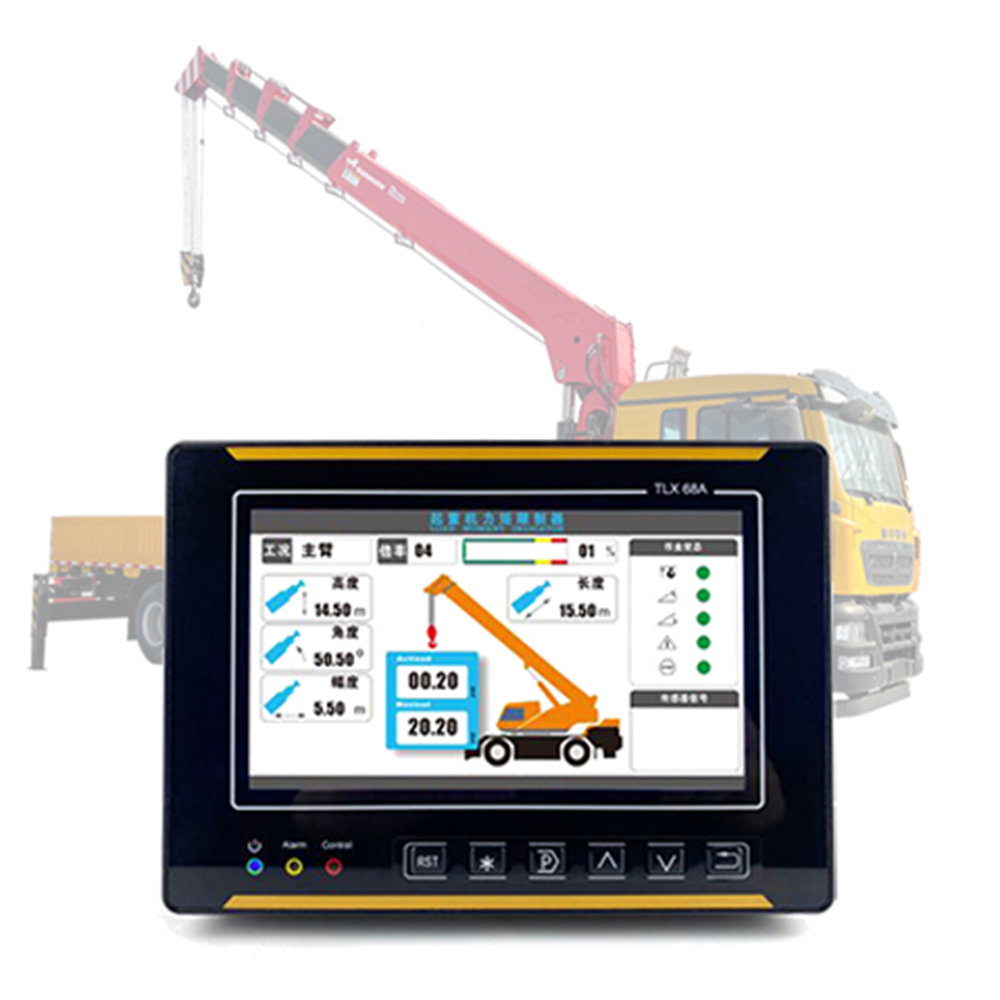
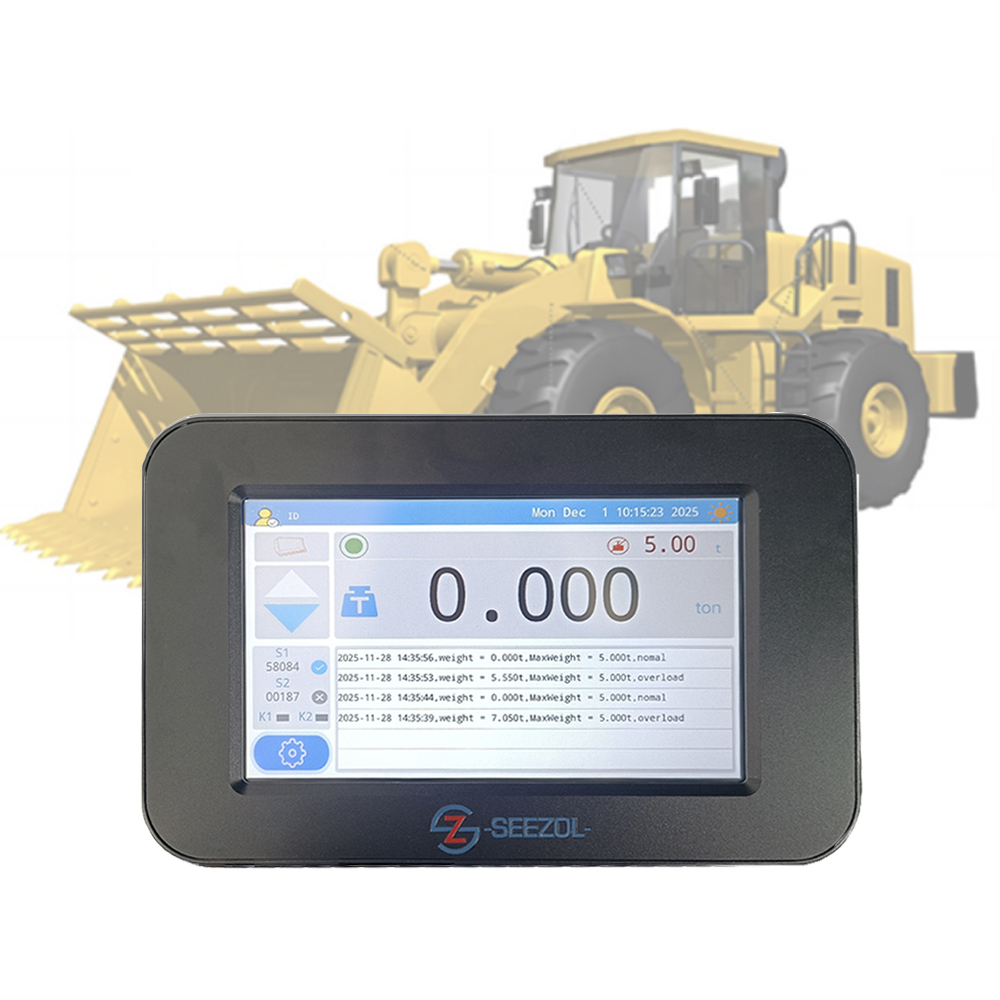
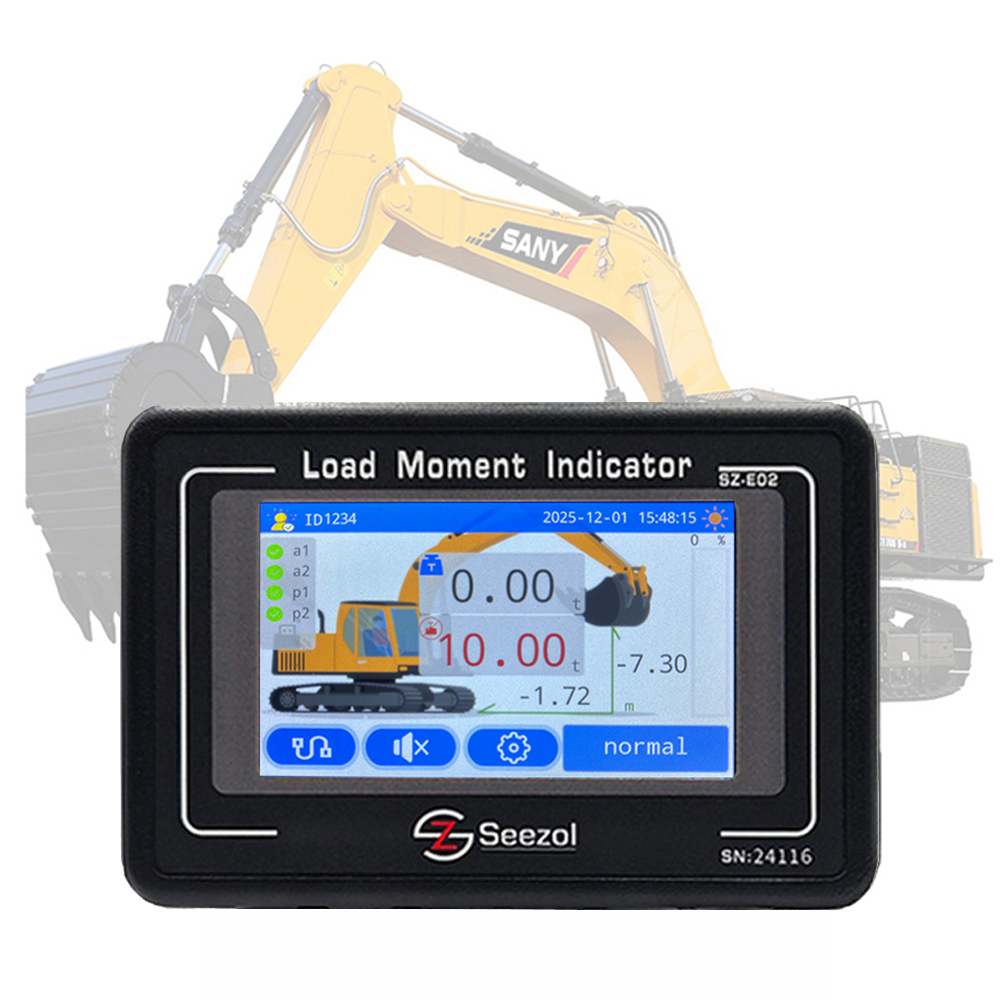
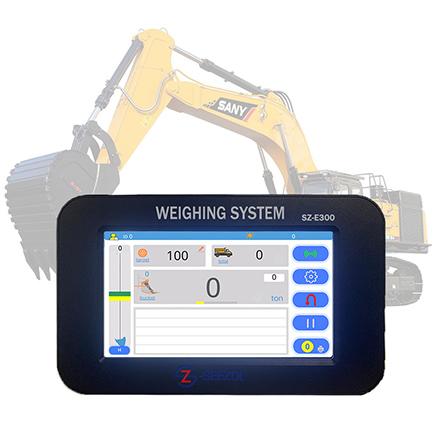
Индикатор нагрузочного момента (LMI) — это обязательная система безопасности для кранов стрелового типа, которая предотвращает превышение краном номинального подъемного момента. При сравнении систем шесть параметров определяют, является ли LMI действительно промышленным устройством или всего лишь потребительской электроникой под чужим брендом:
| Параметр | Начальный уровень | Промышленного класса | Почему это важно |
| Погрешность измерения | ±5% | ±2–3% | Меньшая погрешность = меньше ложных срабатываний и меньше пропущенных перегрузок |
| 3. Время отклика | Не указано / только статические значения | ≤200 мс | Динамические нагрузки (ветер, раскачивание, удары) требуют реакции в масштабе миллисекунд |
| Степень защиты от проникновения | Ниже IP65 | IP65 или выше | Для установки на открытом воздухе требуются пыленепроницаемые и брызгозащищенные корпуса |
| Рабочая температура | Узкий диапазон | от -20 °C до +60 °C | Должна выдерживать самые экстремальные температурные условия на строительной площадке, в которых вы работаете |
| Логика сигнализации | Однократный отбор | Уровни: предупреждение 80–90%, предельное значение 100% | Постепенное реагирование позволяет избежать ударной нагрузки при внезапном отключении |
| Соответствие стандартам | Неясно/неподтверждается | Соответствует требованиям OSHA, ASME B30.5, EN 13001 или GB/T 12602 | Необходимо для прохождения технического осмотра, оформления страховки и использования в трансграничных проектах |
Если вы запомните только одно: Покупка самого дешевого LMI, который «на бумаге проходит техосмотр», — это ложная экономия — Проблема заключается не в том, что показания немного хуже, а в том, что во время единственного подъема, когда это имело значение, был получен ложноотрицательный результат.
Содержание
Что такое индикатор момента нагрузки, а что им не является
Почему LMI имеет значение — физика разрушения кранов
Точность измерений и допустимая погрешность
Скорость реагирования и логика поэтапной защиты
Согласование диапазона измерения
Защита окружающей среды и оборудования
Связь и регистрация данных
Соблюдение нормативных требований по регионам
Заметки покупателя: что на самом деле идет не так
Распространенные ошибки при покупке
Часто задаваемые вопросы
Об этом руководстве
1. Что такое индикатор момента нагрузки, а что им не является
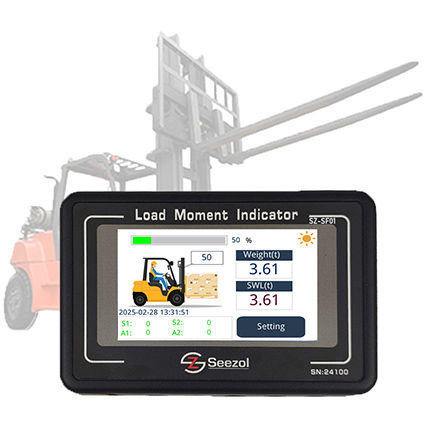
Индикатор грузового момента (LMI): Электронная система, которая непрерывно рассчитывает произведение веса груза на рабочий радиус и сравнивает его с таблицей номинальной грузоподъёмности крана, запуская поэтапные сигналы тревоги, а в большинстве современных систем — автоматическую блокировку по мере приближения крана к пределу грузоподъёмности.
Что это не является: Однопороговый датчик натяжения подъемной линии (который ближе по своему назначению к индикатору безопасной нагрузки, или SLI) и не заменяет правильную оснастку — система LMI контролирует конфигурацию крана, а не состояние строп или центр тяжести груза.
Системы LMI иногда называют «автоматическими ограничителями момента» (AML) или «ограничителями номинальной грузоподъёмности» (RCL) в зависимости от производителя и региона; терминология варьируется в зависимости от рынка, но основная функция — предотвращение работы крана за пределами его конструктивных ограничений или пределов опрокидывания — остается неизменной.
2. Почему LMI имеет значение — физика разрушения крана
Краны редко выходят из строя просто из-за того, что груз «слишком тяжелый» — они выходят из строя, потому что момент нагрузки (вес × радиус) превышает предельное значение, допустимое для конструкции, или предельное значение, при котором может произойти опрокидывание. 10-тонная нагрузка при радиусе 5 м создаёт такой же дестабилизирующий момент, как и 4-тонная нагрузка при радиусе 12,5 м. Без автоматизированного мониторинга оператору приходится в режиме реального времени мысленно отслеживать угол наклона стрелы, радиус и таблицу нагрузок — и в условиях дефицита времени или плохой видимости в этом процессе легко допустить ошибку.
Именно поэтому регулирующие органы рассматривают устройства контроля нагрузки как базовое требование безопасности, а не как дополнительное оборудование. В США стандарт OSHA для строительных кранов (29 CFR 1926.1417(o)(3)(ii)) требует от операторов не превышать номинальную грузоподъемность и указывает устройства взвешивания груза, индикаторы момента нагрузки и индикаторы номинальной грузоподъемности в качестве допустимых методов обеспечения соответствия. В рецензируемом инженерном обзоре по предотвращению опрокидывания кранов (опубликованном через NCBI/PMC) также сообщается, что федеральные следователи США зафиксировали 502смертельных случаев на строительных объектах, связанных с кранами, в ходе 479 инцидентов за 11-летний период с 1984 по 1994 год, что отчасти объясняет, почему автоматическое ограничение момента стало предметом пристального внимания регулирующих органов, а не просто «приятным дополнением».
3. Точность измерений и допустимая погрешность
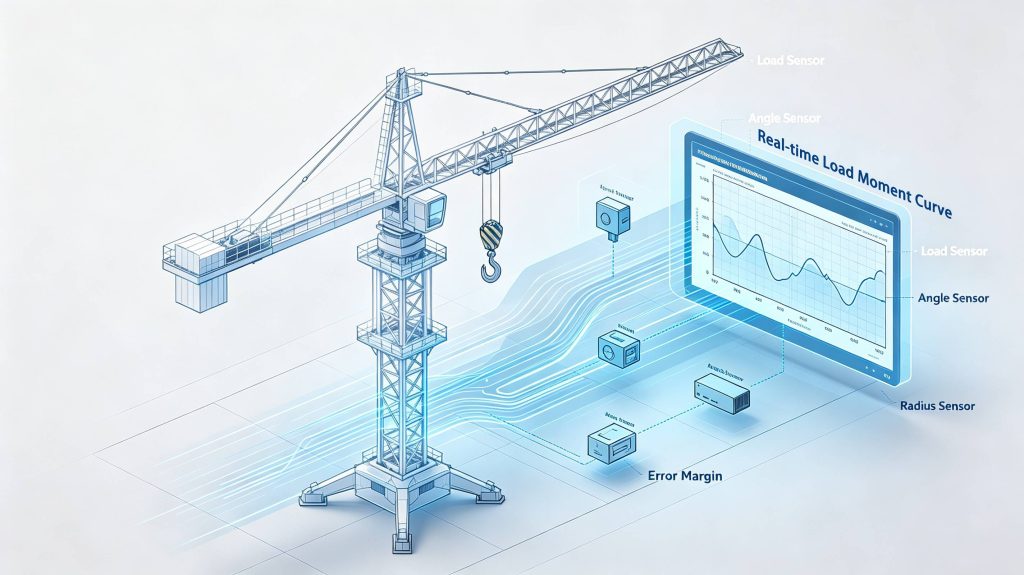
Точность — это параметр, который чаще всего упускается из виду в технических характеристиках производителей, но именно он определяет, сможет ли система обнаружить реальную перегрузку или же ложно сработает при выполнении обычной подъемной операции.
- Устройства начального уровня обычно имеют допуск по погрешности ±5% — этого достаточно для базового соответствия требованиям в условиях низкого риска, однако в условиях изменяющегося радиуса и динамической нагрузки система склонна как к ложным срабатываниям, так и к запоздалым предупреждениям.
- Промышленного класса Устройства LMI, как правило, имеют погрешность ±3% во всем рабочем диапазоне.
- Высокоточный системы (используемые при перевозке тяжелых грузов и при ведении морских работ) обеспечивают усилие до ±2%.
Также проверьте порог срабатывания при перегрузке. В большинстве нормативных документов предельное значение для срабатывания сигнализации/блокировки устанавливается на уровне 100–110% номинальной мощности или вблизи этого значения; правильно откалиброванный LMI должен срабатывать именно в этом диапазоне, а не раньше (что приводит к ложным отключениям) или позже (что снижает запас прочности). Попросите поставщиков предоставить заводские сертификаты калибровки, в которых указана точка срабатывания, а не только маркетинговые заявления.
Динамическая защита от помех также имеет большое значение: механические вибрации, порывы ветра и удары при подъеме груза вызывают переходные скачки в исходных данных датчиков. Системы, которые стоит приобретать, используют динамическую фильтрацию для сглаживания кратковременных помех, не маскируя при этом реальную, устойчивую перегрузку.
4. Скорость реагирования и многоуровневая логика защиты
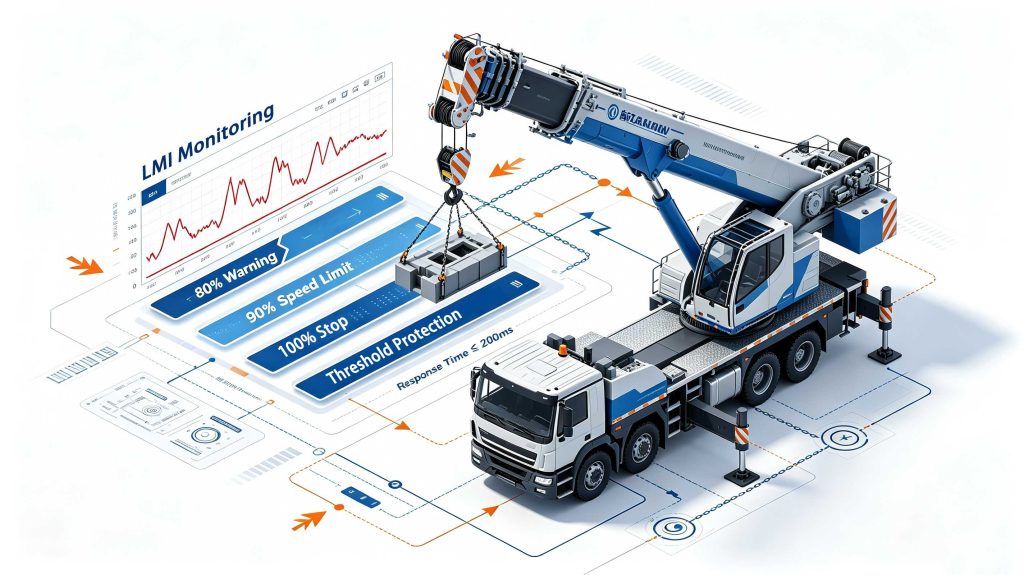
Состояние нагрузки на кран может измениться за долю секунды — при изменении угла наклона стрелы, внезапном сбросе груза или при порывах ветра. Проверка нагрузки только в статическом режиме (характерная для недорогих устройств) совершенно не учитывает эти факторы.
На что следует обратить внимание:
- Время отклика системы составляет ≤200 мс — время от поступления сигнала с датчика до принятия решения о срабатывании сигнализации/блокировке.
- Поэтапная защита, ни одного предельного значения включения/выключения:
- ~80% номинального момента → раннее предупреждение
- ~90% → ограничение скорости или ограниченный режим работы
- 100%+ → автоматическая блокировка
- Интеллектуальная фильтрация с задержкой которая позволяет отличить кратковременную ударную нагрузку (например, порыв ветра) от длительного опасного состояния, чтобы кран не отключался без необходимости в середине подъема.
Однократное резкое отключение при достижении предельного значения кажется более простым решением, но на практике это может привести к внезапному колебанию нагрузки или возникновению конструктивных напряжений на стреле именно в тот момент, когда оператору больше всего нужна контролируемая реакция.
5. Согласование диапазона измерения
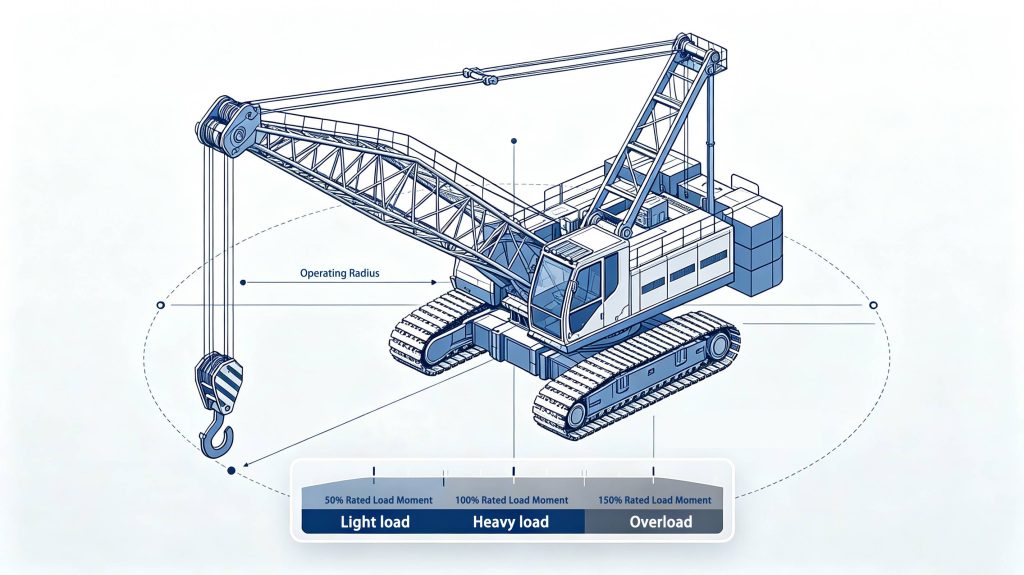
Слишком широкие диапазоны измерения снижают точность при небольших нагрузках; слишком узкие диапазоны не позволяют оценить нагрузку в верхней части диапазона грузоподъемности крана. Как правило, правильно подобранный датчик LMI должен охватывать примерно 50–150% номинального грузового момента крана при всех конфигурациях стрелы — а не только при одной длине стрелы.
Ищите повторная калибровка на месте одним нажатием кнопки которая автоматически адаптируется к изменениям высоты стрелы, радиуса и угла наклона, а не требует вызова сервисной службы при каждом изменении конфигурации установки. Это имеет большее значение, чем заявленная дальность в технических характеристиках, поскольку большинство реальных жалоб на «несоответствие дальности» на самом деле связано с проблемами при повторной калибровке после изменения конфигурации.
6. Защита окружающей среды и оборудования
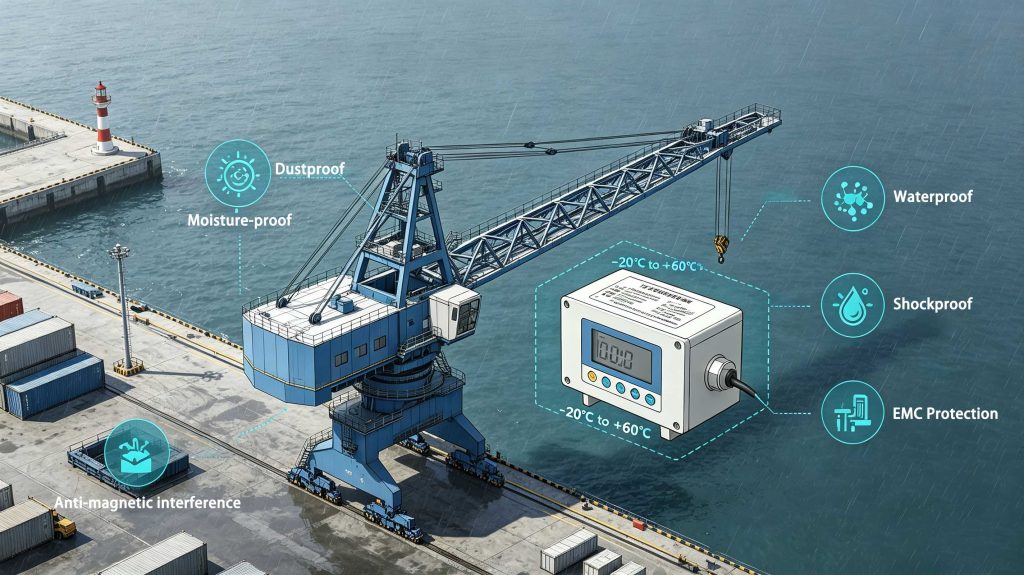
Большинство кранов, эксплуатируемых на открытом воздухе, работают в условиях, для которых их электроника не была рассчитана, если только вы специально не ознакомитесь с техническими характеристиками по эксплуатации в условиях окружающей среды.
| Характеристики | Минимально допустимый уровень | Примечания |
| Степень защиты от проникновения | IP65 | Пыленепроницаемый, защищенный от струй воды; при отсутствии этих характеристик при эксплуатации на открытом воздухе следует ожидать коррозии датчика и дрейфа цепи в течение 1–2 сезонов |
| Рабочая температура | от -20 °C до +60 °C | Подходит для большинства климатических условий — от скандинавских зим до лет в регионе Персидского залива; уточняйте данные с учетом конкретного места вашего нахождения, а не только средних региональных показателей |
| Устойчивость к влажности | ≤95% RH, без конденсации | Подходит для прибрежных и тропических местностей |
| Вибрация/ЭМС | Ударопрочный корпус + конструкция, соответствующая требованиям по электромагнитной совместимости | Предотвращает ложные срабатывания, вызванные работающим поблизости сварочным оборудованием, генераторами или радиопередатчиками на объекте |
Если ваш кран эксплуатируется в действительно экстремальных условиях (в Арктике, в пустыне, в прибрежных районах с высокой соленостью), попросите поставщика предоставить отчеты о результатах экологических испытаний, проведенных независимыми организациями, а не полагайтесь исключительно на данные из технического паспорта — это одна из областей, где маркетинговые заявления и реальные лабораторные результаты чаще всего расходятся.
7. Связь и регистрация данных
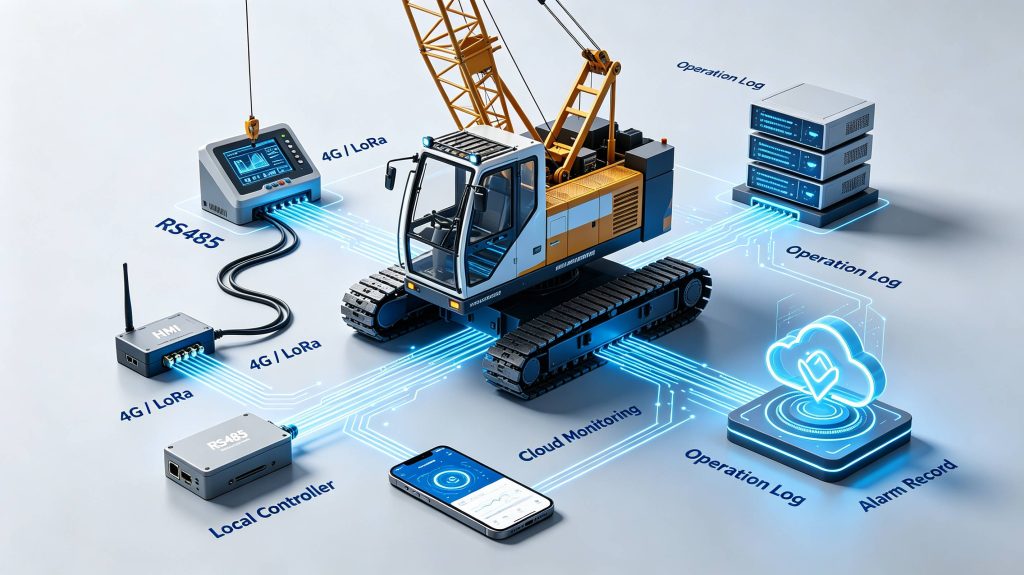
На современных строительных площадках всё чаще требуется возможность удалённого мониторинга состояния крана, а не только отображение информации в кабине. Базовые требования к системе LMI текущего поколения:
- В стандартной комплектации предусмотрен проводной выход RS485 для интеграции с дисплеями кабины и системой мониторинга объекта
- Дополнительные беспроводные модули 4G или LoRa для удаленного/облачного мониторинга автопарков, состоящих из транспортных средств, расположенных на нескольких объектах
- Поддержка двух напряжений (220 В переменного тока / 24 В постоянного тока), благодаря чему для модернизации не требуется перепрокладка электропроводки крана
- Регистрация данных об истории нагрузки и аварийных событиях непосредственно на устройстве — это становится всё более востребованной мерой для ведения документации по обеспечению соответствия нормативным требованиям и проведения расследований после инцидентов, а не просто удобной функцией
8. Соблюдение нормативных требований по регионам
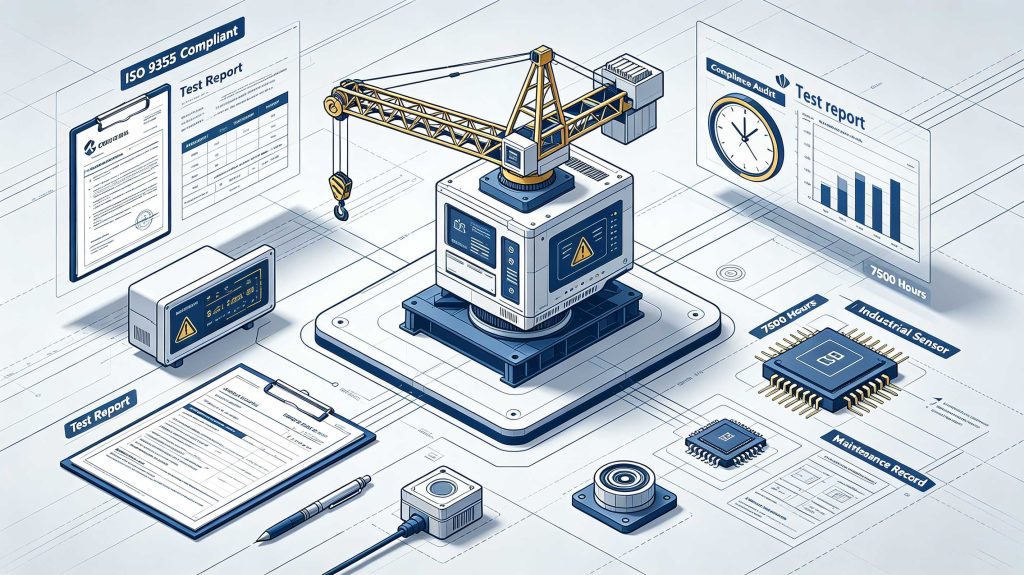
Требования существенно различаются в зависимости от юрисдикции, и формулировка «соответствует международным стандартам» в техническом паспорте не равнозначна указанию конкретного, поддающегося проверке стандарта.
- Соединённые Штаты: Правила OSHA по строительным кранам (29 CFR 1926.1417(o)(3)(ii)) предписывают использование устройств контроля нагрузки на большинстве типов кранов, применяемых в строительстве, и указывают в качестве допустимых способов обеспечения соответствия требованиям устройства взвешивания груза, индикаторы момента нагрузки и индикаторы номинальной грузоподъемности. В отношении башенных кранов действует соответствующее требование об установке устройства ограничения момента нагрузки в соответствии с 29 CFR 1926.1435(e)(5)(v).
- Европа: Сертификация функциональной безопасности систем ограничения момента нагрузки на мобильных кранах обычно проводится в соответствии с требованиями стандартов ISO 13849 («Безопасность машин — части систем управления, связанные с безопасностью») и IEC 61508 / IEC 62061, а также серией стандартов EN 13001 по проектированию кранов, при этом общим целевым показателем для соответствующих функций управления, ориентированных на безопасность, является уровень надежности d.
- Китай: GB/T 12602 — это национальный стандарт, устанавливающий технические требования к индикаторам момента нагрузки, включая точность датчиков, время отклика и устойчивость к воздействию окружающей среды, а также классифицирующий системы по классам точности.
Выводы для покупателя: Попросите любого продавца указать конкретный стандарт и пункт, в соответствии с которыми сертифицирован его товар, а не просто сказать, что он «соответствует международным нормам безопасности». Если продавец не сможет предоставить номер сертификата, считайте заявление о соответствии неподтвержденным.
9. Заметки покупателя: что на самом деле идет не так
Большинство сбоев системы LMI, с которыми мы сталкивались на практике, не являются резкими сбоями системы — это незаметное дрейфование показаний. Типичная ситуация: кран проходит ежегодную проверку с правильно откалиброванной системой LMI, а через шесть месяцев нулевая точка тензодатчика смещается на несколько процентов из-за перепадов температуры и вибрации. При этом показания на дисплее по-прежнему выглядят нормально. Порог срабатывания сигнализации не изменился. Однако фактическая точка срабатывания сместилась настолько, что при подъеме, находящемся на грани допустимого, который должен был вызвать предупреждение, сигнализация не срабатывает.
Решением проблемы является не улучшение дисплея, а формирование привычки проводить техническое обслуживание: выполняйте повторную калибровку после любого капитального ремонта, после шести месяцев хранения и, как минимум, раз в год, а также храните сертификат калибровки в архиве, а не полагайтесь на то, что «индикатор не загорелся», как доказательство точности системы.
10. Распространенные ошибки при покупке
- Покупка, основанная исключительно на цене. На первый взгляд устройства ±5% и ±2% в техническом паспорте могут выглядеть одинаково; разница становится заметной только в реальных условиях эксплуатации, как правило, в самый неподходящий момент.
- Неучёт затрат на повторную калибровку в общей стоимости владения. Ежегодная калибровка, замена датчиков и простои во время технического обслуживания должны учитываться при принятии решения о покупке, а не рассматриваться как второстепенные факторы.
- Доверие к формулировке «соответствует международным стандартам» без указания номера сертификата. Это стоит повторить: это самое распространённое неопределённое утверждение в данной категории товаров.
- Чтобы быть справедливым по отношению к более недорогим системам: Не для всех задач требуется максимальный класс точности. Кран, выполняющий легкие, повторяющиеся подъёмы с нагрузкой, значительно не достигающей его грузоподъёмности, в контролируемых условиях помещения имеет совершенно иной профиль риска, чем мобильный кран, выполняющий подъёмы на открытом воздухе с переменным радиусом действия и с нагрузкой, близкой к предельной — и оплата точности морского класса в первом случае является своего рода расточительством. Подбирайте технические характеристики с учетом реального риска, а не по максимальным значениям в техническом паспорте.
11. Часто задаваемые вопросы
Какой минимальный класс защиты IP должен иметь кран LMI, предназначенный для эксплуатации на открытом воздухе?
Степень защиты IP65 является практическим минимумом для непрерывной эксплуатации на открытом воздухе. При более низкой степени защиты следует ожидать ускоренного износа датчиков и электронных схем под воздействием пыли и влаги, особенно в прибрежных районах или в условиях высокой влажности.
Как часто необходимо проводить повторную калибровку LMI?
Не реже одного раза в 12 месяцев, а также после любого капитального ремонта, замены датчика, инцидента, связанного с перегрузкой или ударом, либо длительного хранения (6 и более месяцев).
Означает ли более высокий показатель точности всегда более качественный LMI?
Не обязательно. Точность имеет наибольшее значение для кранов, работающих на пределе грузоподъемности при переменном радиусе действия. Для подъемных работ с небольшой нагрузкой, значительно не достигающей предельной грузоподъемности, и с фиксированной конфигурацией вполне может подойти устройство среднего уровня точности в сочетании с соблюдением надлежащего порядка калибровки — см. раздел «Распространенные ошибки» выше.
Может ли LMI компенсировать некачественную настройку такелажа?
Нет. Устройство LMI контролирует момент нагрузки на кран, а не состояние такелажа. Неправильные углы наклона строп, поврежденные крепежные детали или неустойчивый груз могут присутствовать даже при том, что LMI показывает «безопасное» состояние.
По какому стандарту мне следует попросить поставщика провести сертификацию?
В США уточняйте соответствие требованиям OSHA к средствам помощи при эксплуатации кранов и, при необходимости, стандарту ASME B30.5. В ЕС запросите документацию по функциональной безопасности в соответствии со стандартами ISO 13849 / IEC 61508 или 62061, а также EN 13001. В Китае запросите классификацию по классам точности в соответствии со стандартом GB/T 12602.
12. Об этом руководстве
Редакционные стандарты: Технические характеристики, приведенные в данном руководстве, проверены на соответствие общедоступным нормативным документам и документации производителей/отрасли, актуальной на момент написания. В тех случаях, когда конкретное число (допуск по точности, время отклика, степень защиты по стандарту IP) приводится в качестве отраслевого ориентира, а не заявления конкретного поставщика, мы постарались подчеркнуть это различие, а не представлять технические характеристики одного продукта в качестве универсального стандарта.
Исправления: Если вы обнаружите неточность, особенно в отношении конкретного положения нормативного акта, пожалуйста, сообщите об этом — данное руководство рассматривается как «живой» документ и будет исправлено с указанием новой даты, а не редактироваться незаметно.
Контакты: По вопросам исправлений или с вопросами по данному руководству обращайтесь в редакцию по адресу safety-editorial@[yourcompany-domain].com (перед публикацией замените на свой фактический контактный адрес).
Использованные источники
- OSHA 29 CFR 1926 — Краны и подъемные установки в строительстве, разделы, посвященные вспомогательным средствам эксплуатации и соблюдению требований к весу груза (из базы данных нормативных текстов up.codes)
- Ким и др., «Экономичный автоматический ограничитель момента для предотвращения перегрузки мобильных грузовых кранов», рецензируемый инженерный журнал (PMC/NCBI), с использованием данных о происшествиях с кранами в США за 1984–1994 годы
- Техническая документация WIKA Mobile Control по стандартам функциональной безопасности (ISO 13849, IEC 61508/62061) для систем ограничения момента нагрузки
- Краткое изложение стандартов серий GB/T 12602 и EN 13001 (полный текст стандартов можно получить в региональном органе по стандартизации)
Данная статья представляет собой переработанную версию более раннего руководства, структура которой была изменена с целью добавления ссылок на источники, заявления о раскрытии информации, рекомендаций по поэтапной и сбалансированной покупке, примечания о редакционных стандартах, а также форматирования раздела «Часто задаваемые вопросы» и сравнительной таблицы в соответствии с результатами аудита качества контента, проведенного CORE-EEAT.