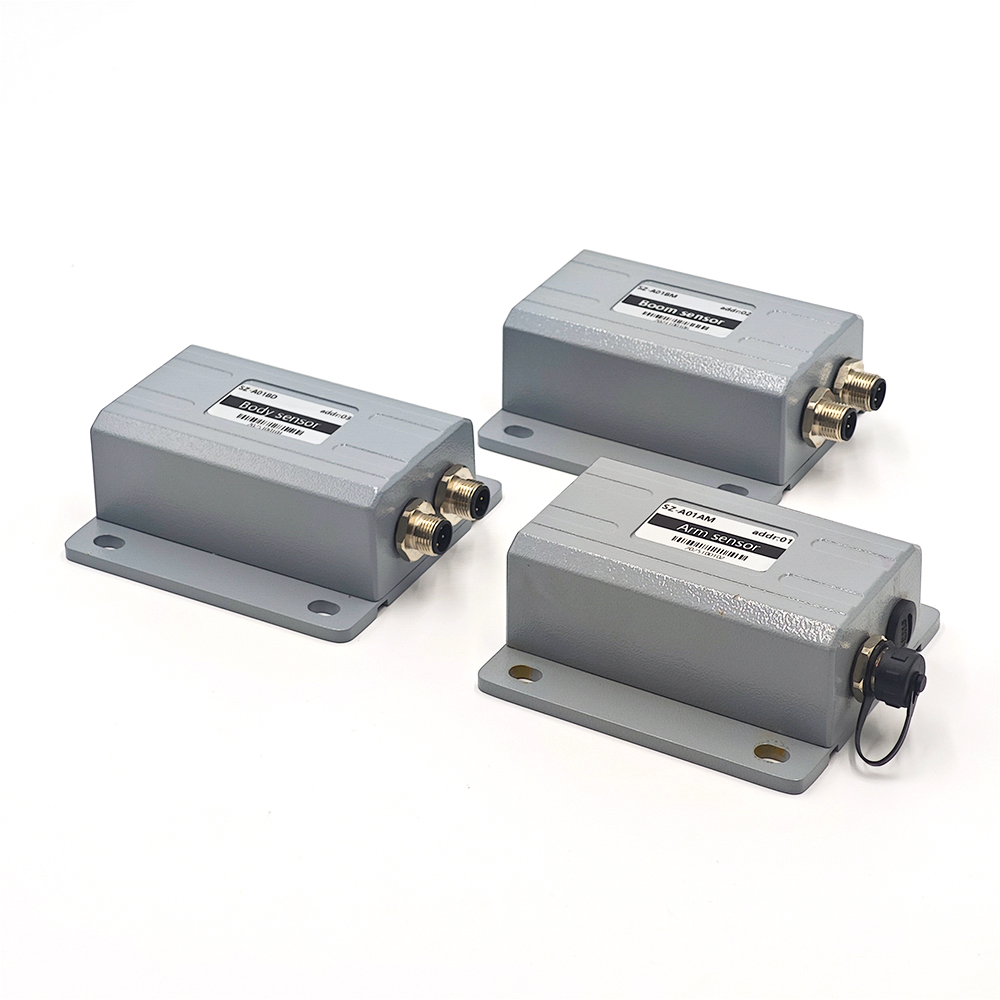
Descripción de la imagen
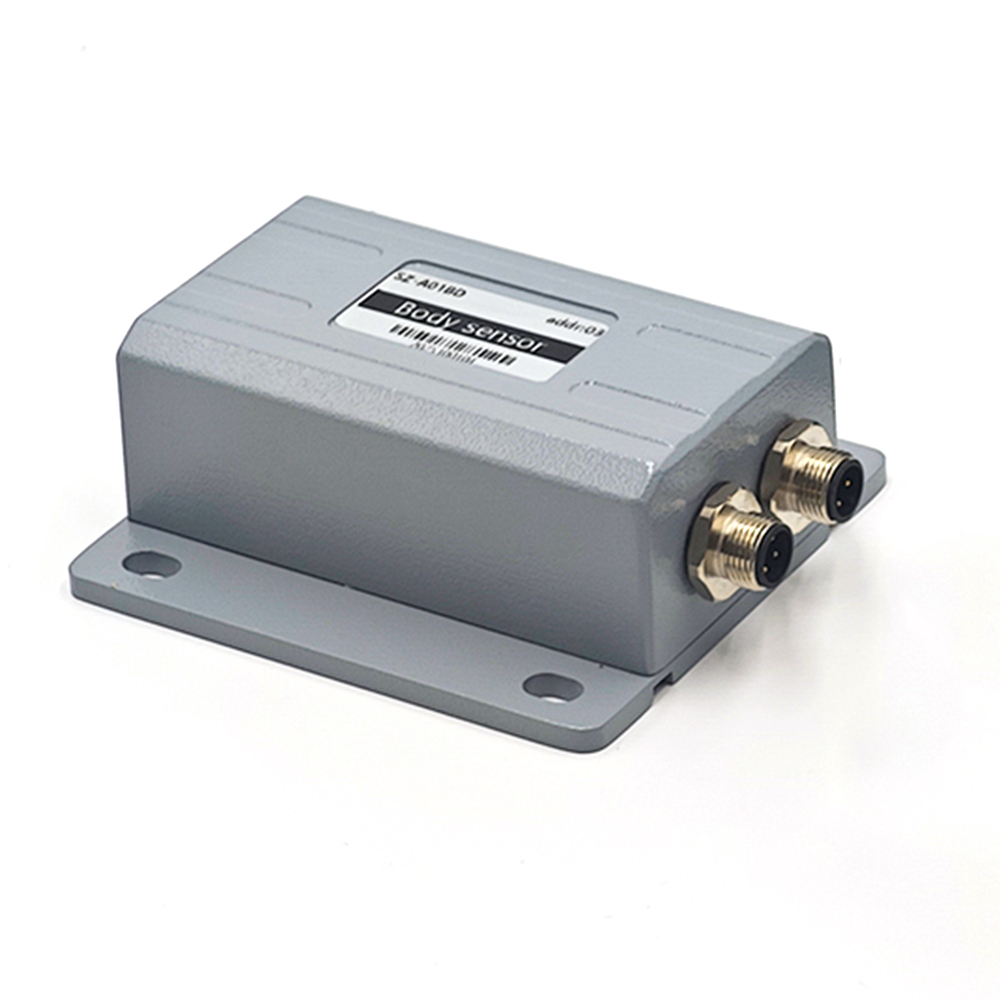
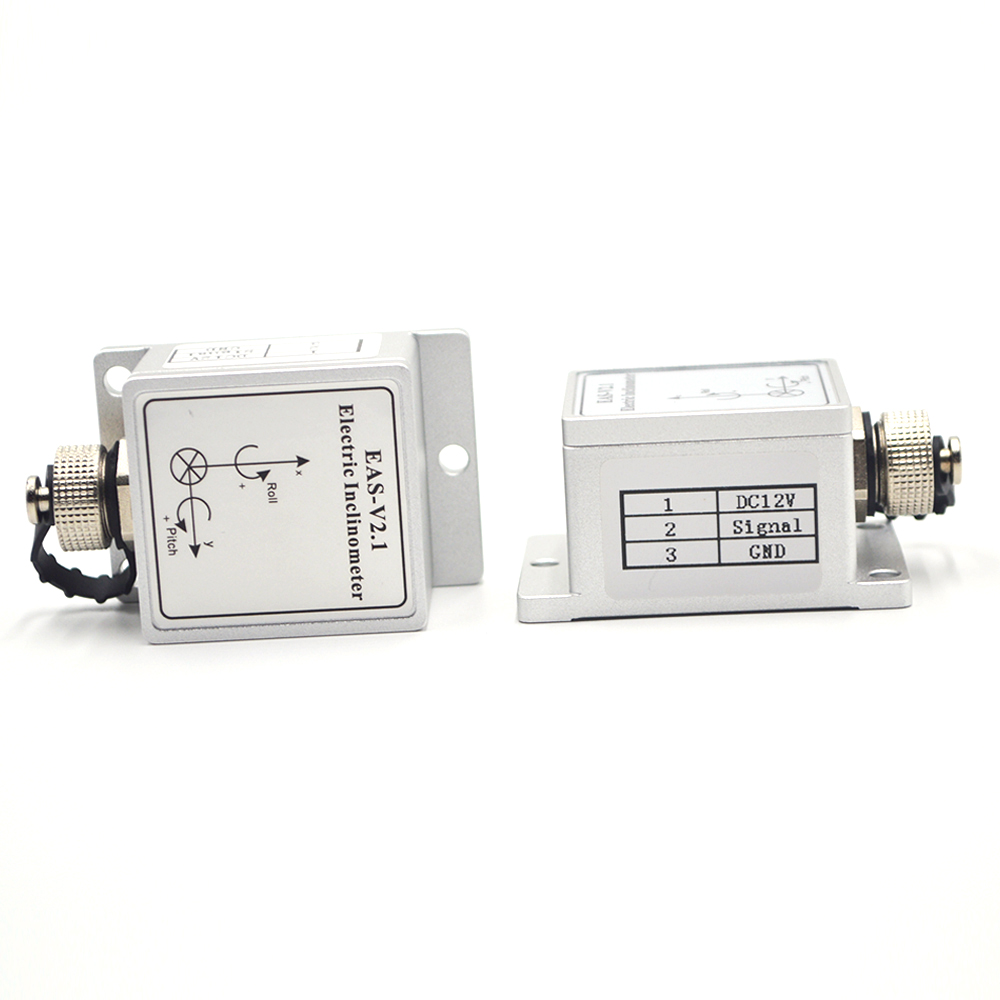
Introducción
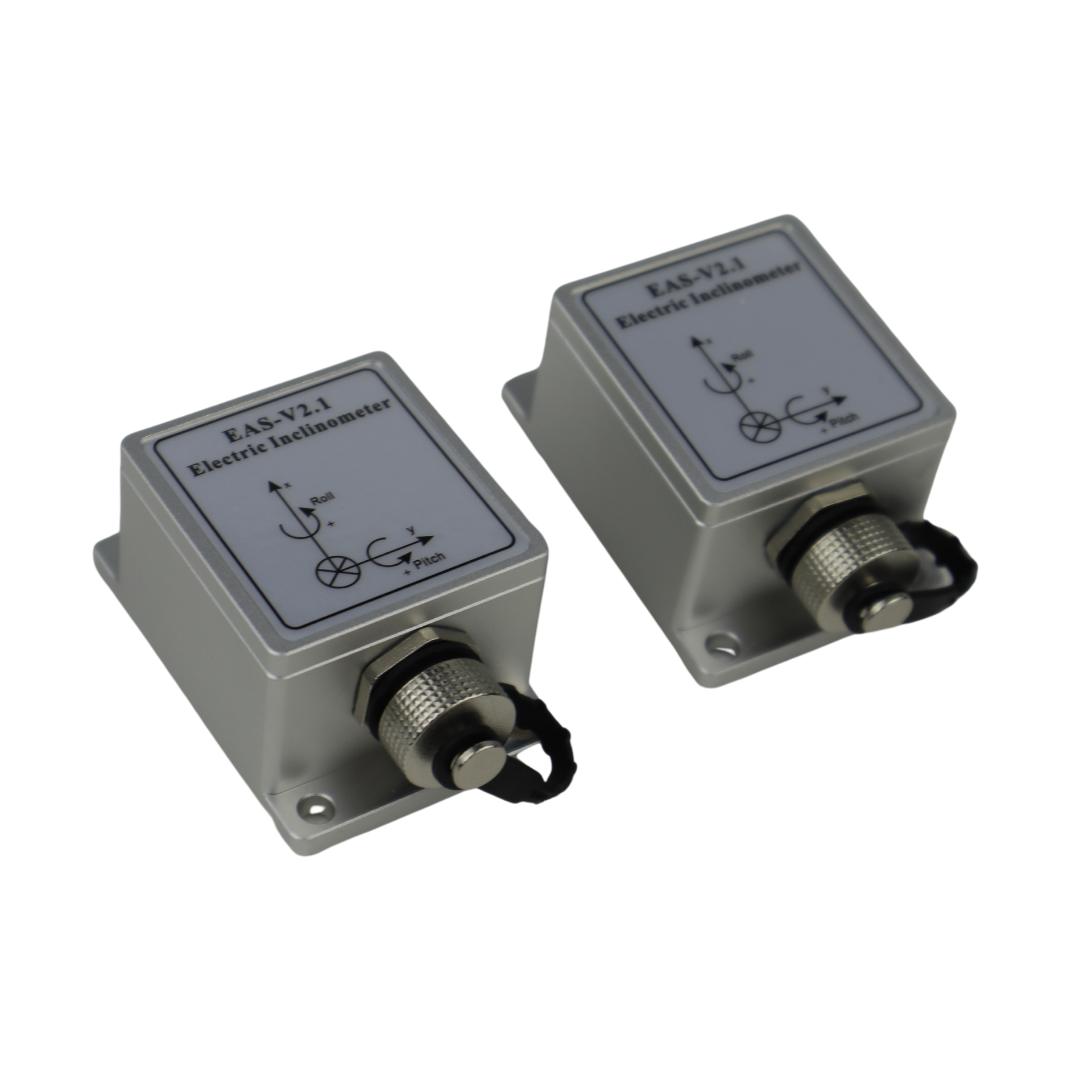
Los sensores de inclinación, también llamados inclinómetros, miden el ángulo de un objeto respecto a la gravedad terrestre. Se utilizan mucho en sectores como la construcción, la automoción, la industria aeroespacial, la robótica y la electrónica de consumo para controlar la orientación, la pendiente y la inclinación.
Principio de funcionamiento
Los sensores de inclinación detectan cambios en la posición angular midiendo el efecto de la gravedad sobre los componentes internos. Los mecanismos de detección más comunes son:
Péndulo (mecánico): Utiliza un péndulo ponderado que bascula con la inclinación.
MEMS (sistemas microelectromecánicos): Se basa en elementos capacitivos o piezorresistivos para detectar el movimiento inducido por la gravedad.
Electrolítico (basado en líquidos): Mide los cambios de conductividad debidos al desplazamiento del fluido.
Óptico: Utiliza haces de luz y fotodetectores para determinar los ángulos de inclinación.
MEMS (sistemas microelectromecánicos): Se basa en elementos capacitivos o piezorresistivos para detectar el movimiento inducido por la gravedad.
Electrolítico (basado en líquidos): Mide los cambios de conductividad debidos al desplazamiento del fluido.
Óptico: Utiliza haces de luz y fotodetectores para determinar los ángulos de inclinación.
Parámetros
|
Fuente de alimentación
|
9-36 V CC
|
|
Salidas
|
Salida de corriente, salida de tensión, RS232, RS485
|
|
Frecuencia de respuesta (Hz)
|
5, 15, 35 y 50 Hz disponibles
|
|
Rango de medición
|
±10 grados a ±90 grados
|
|
Resolución
|
0.05°
|
|
Precisión absoluta
|
0.1°
|
|
3. Tiempo de respuesta
|
0.02s
|
|
Protección
|
IP67
|
Aplicaciones clave
Construcción e ingeniería civil: Control de la inclinación estructural en puentes, edificios y presas: Control de estabilidad, detección de vuelcos y nivelación de vehículos.
Robótica y drones: Equilibrio y control de la orientación.
Maquinaria industrial: Garantizar la correcta alineación en equipos pesados.
Casos